
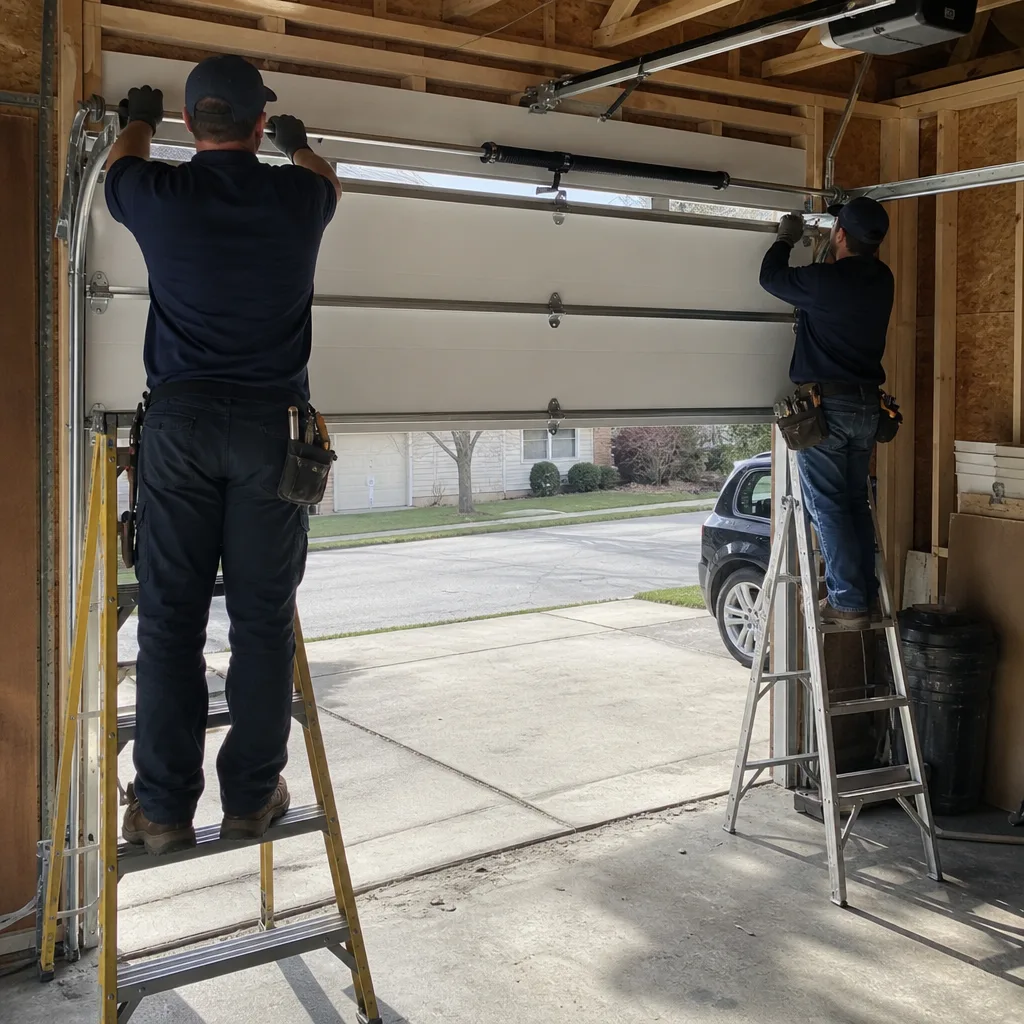
Last updated November 15, 2026
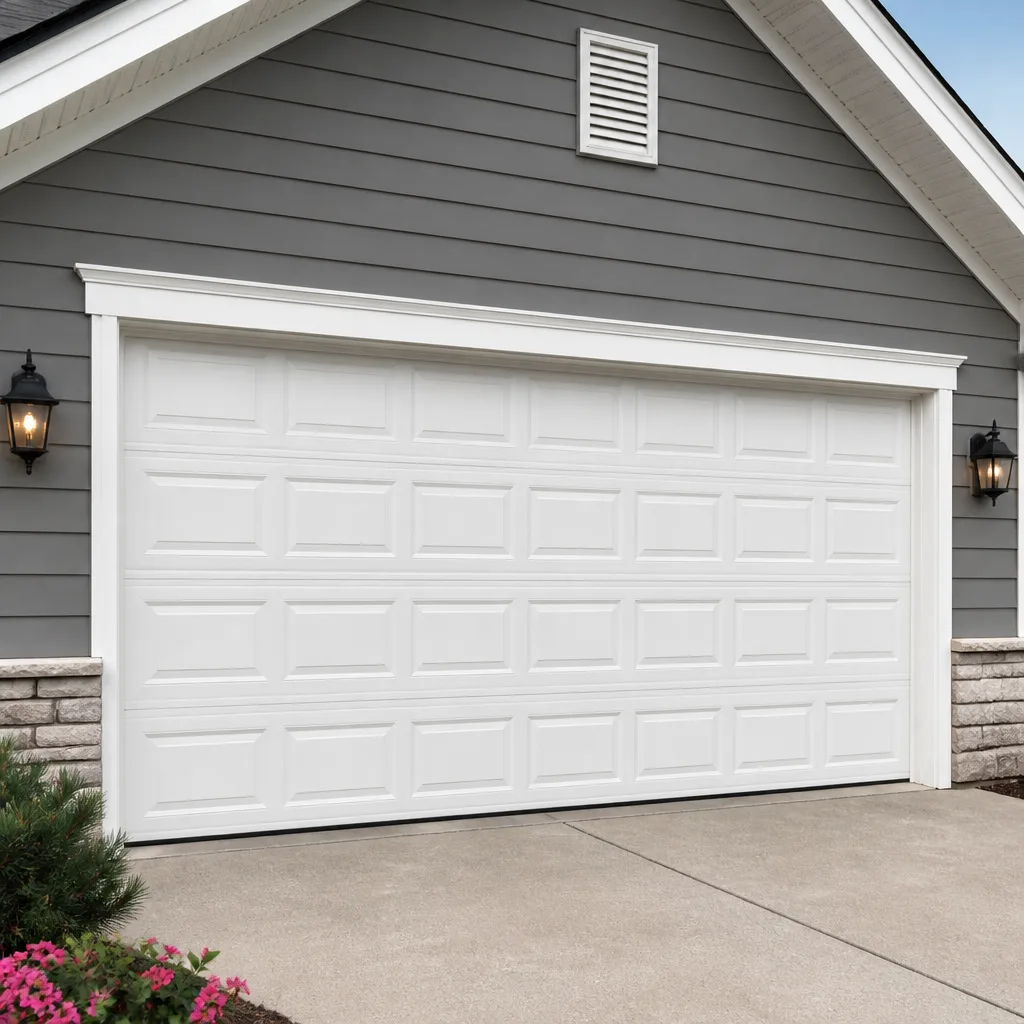 Raised-panel steel
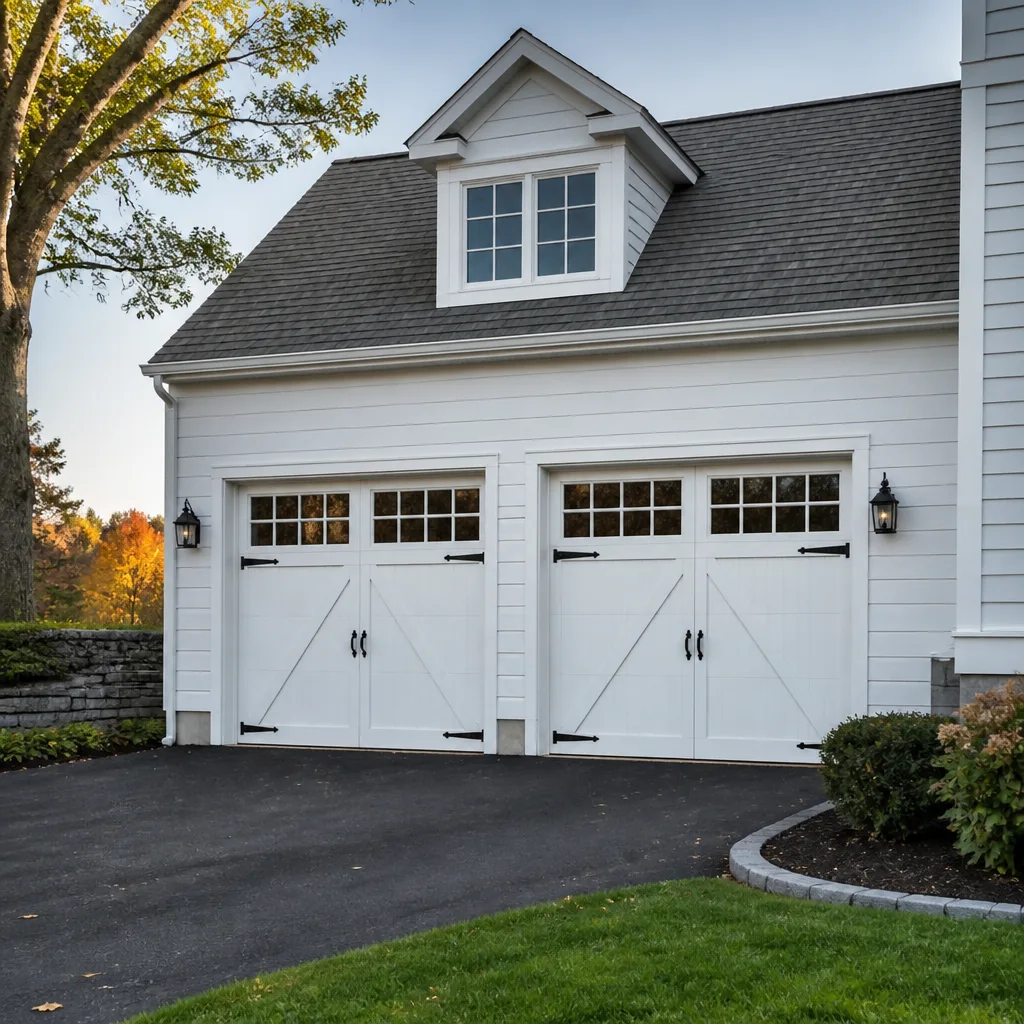 Carriage house
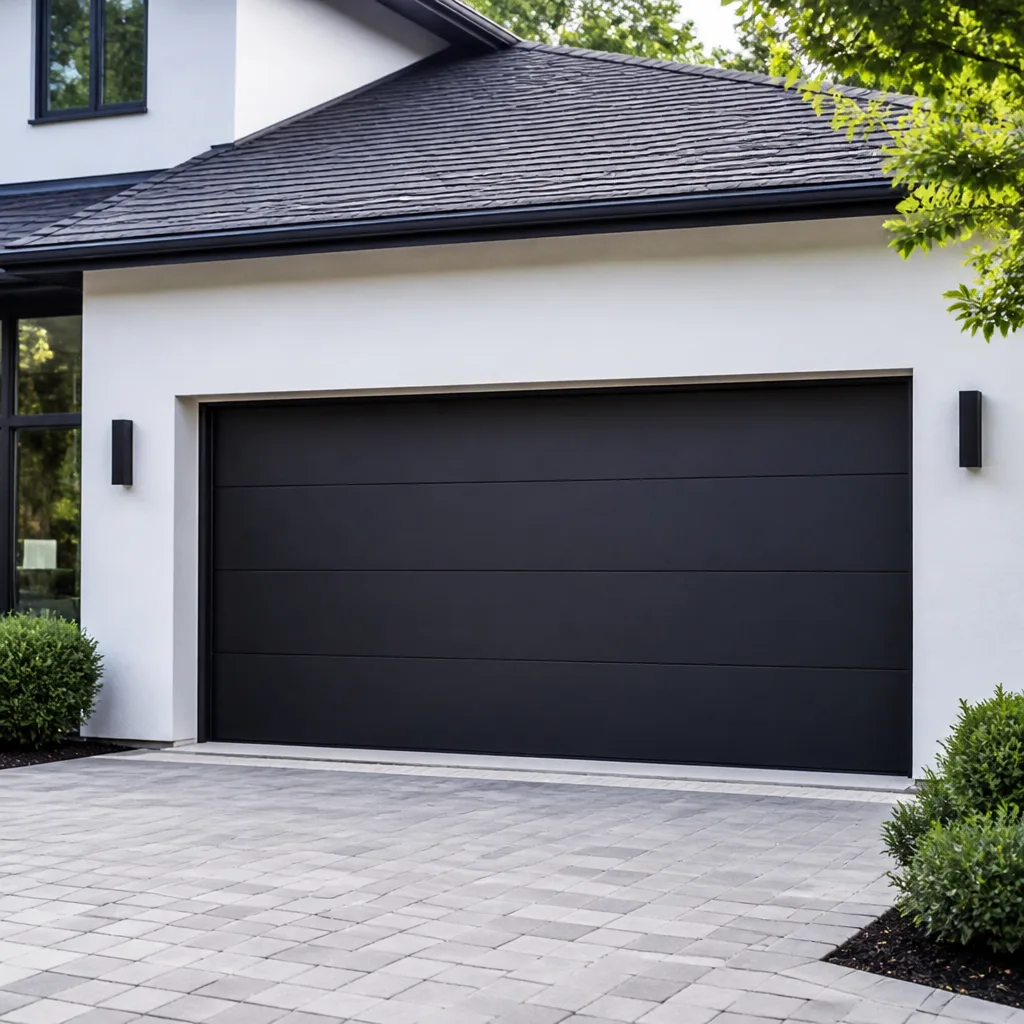 Modern flush
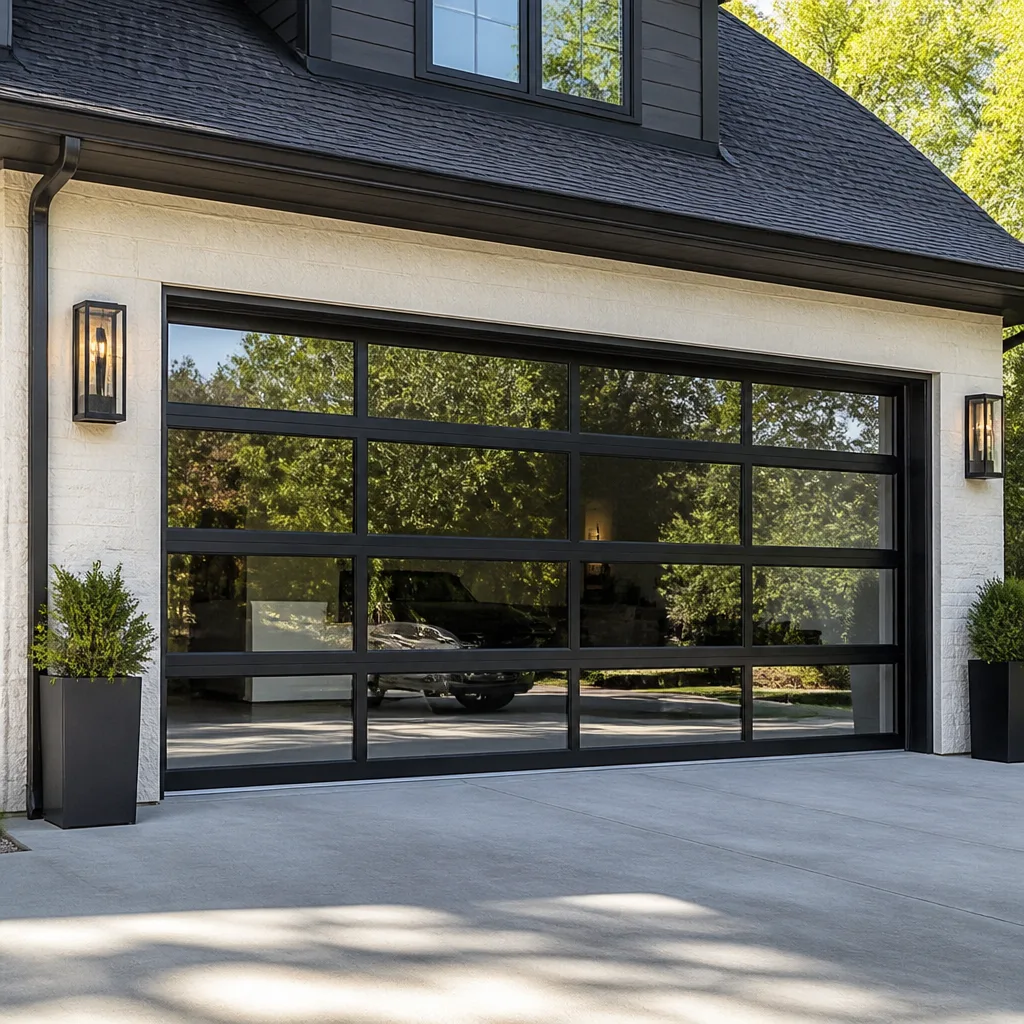 Full-view glass
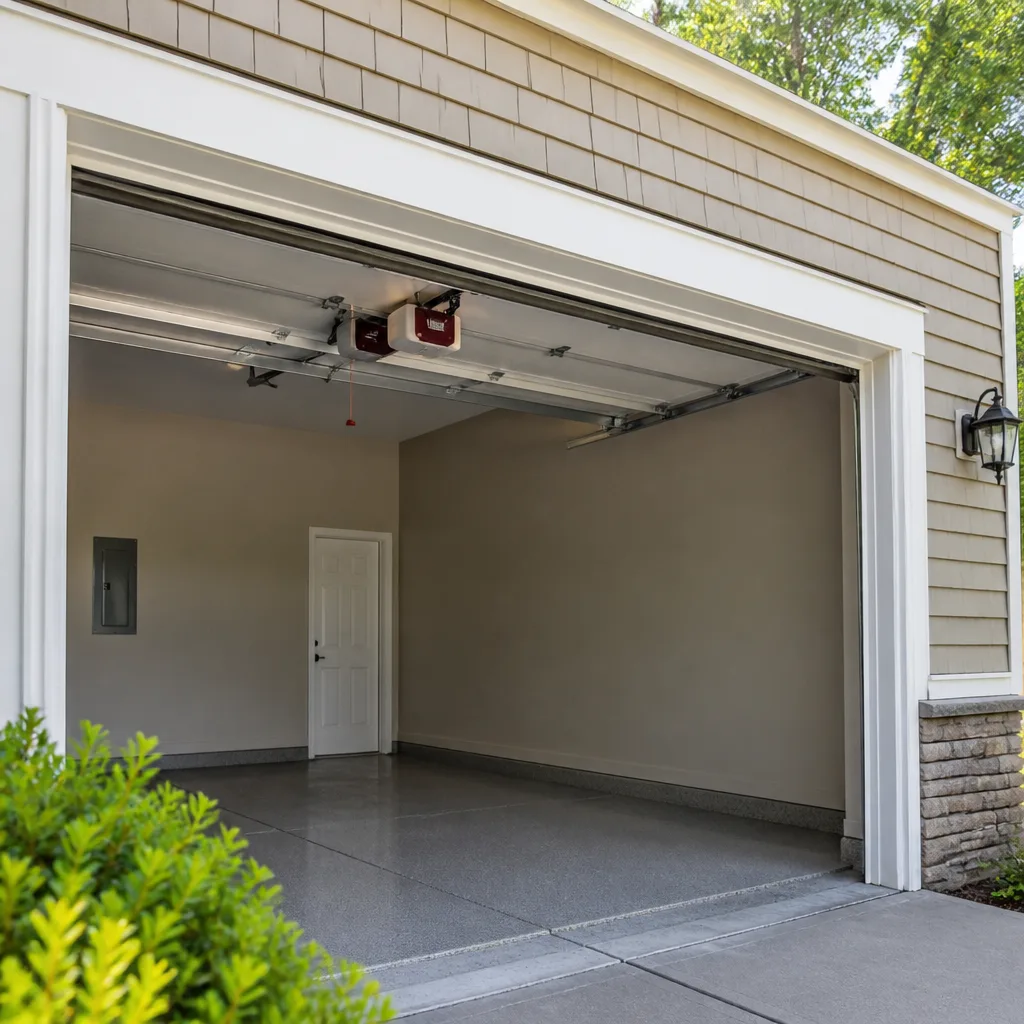 LiftMaster openers
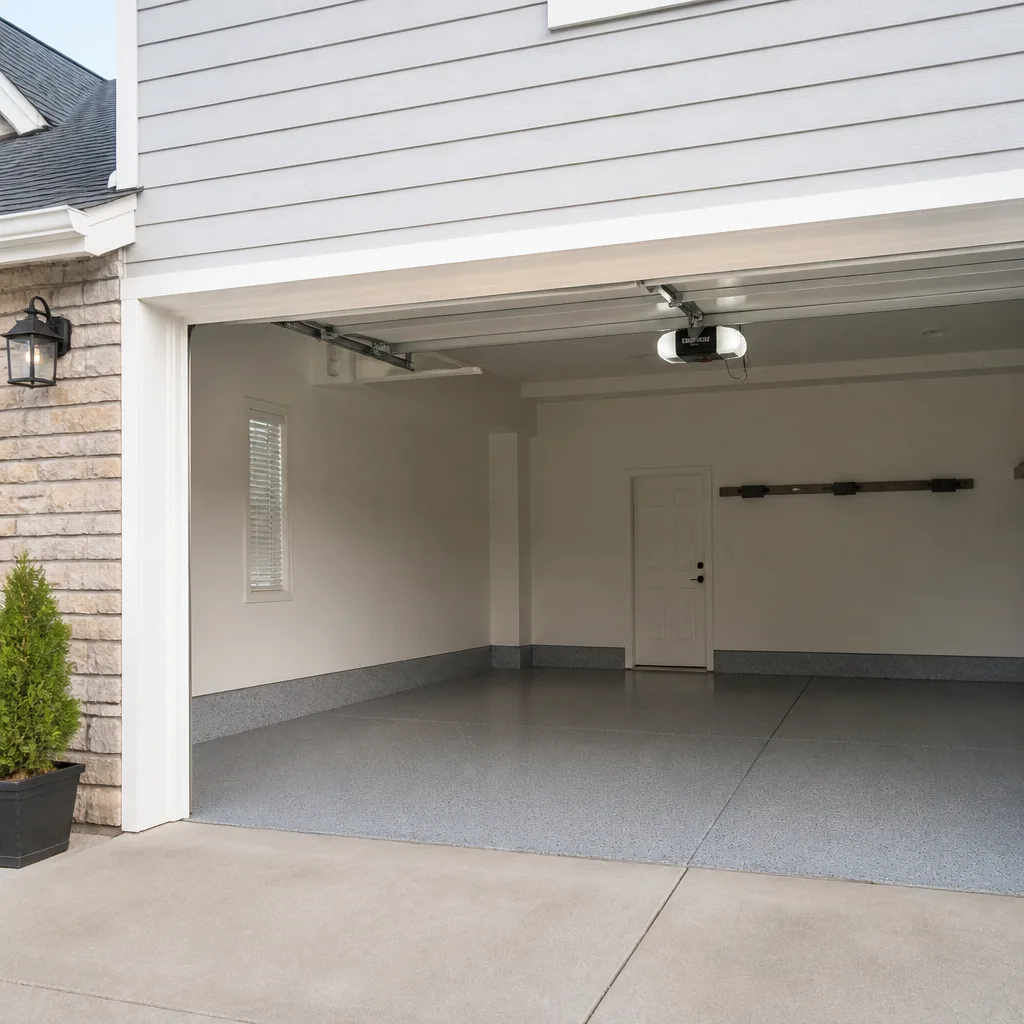 Chamberlain openers
Full 25-point door and opener safety check with every visit - springs, cables, rollers, tracks, and your LiftMaster or Chamberlain opener included
You get a price before we start. It does not change when the pro arrives.
Get your free estimateGarage Door Warning Signs: An Elgin Homeowner’s Reference Guide
A garage door that’s “a little slow” and a garage door that’s “shaking on one side” sound like similar annoyances. They aren’t. One points to an opener motor that’s aging or a torsion spring that’s lost tension, and it’s a same-week repair. The other points to a track that’s out of plumb or a bent section, and it should not be operated again until someone qualified has looked at it. The gap between those two situations is where most expensive garage door failures in Elgin start. This guide walks through every warning sign in plain language, maps each symptom to the system that’s likely responsible, and tells you which ones mean “schedule it” and which ones mean “stop.”
Quick Answer
The warning signs that matter most fall into three categories: sound (grinding, popping, squealing, or silence), movement (slow, jerky, uneven, or reversing), and appearance (gaps, sagging, visible damage). Popping or a door that won’t lift usually means a spring problem and warrants stopping use immediately. Grinding or jerky travel usually points to the opener or tracks and should be diagnosed within days. A door that’s slightly noisy but otherwise fine is normal wear and can wait for a scheduled inspection.
Styles & brands we work with
- Raised-panel steel
- Carriage house
- Modern flush
- Full-view glass
- LiftMaster openers
- Chamberlain openers
Table of Contents
- The Symptom Index: Sound, Movement, and Appearance
- Urgent-Stop Warnings vs. Watch-and-Schedule Warnings
- How to Tell Whether It’s the Door, the Opener, the Springs, or the Tracks
- Why Intermittent Problems Are Often the Most Serious
- Normal Wear vs. a Previous Repair Done Incorrectly
- Elgin Conditions That Accelerate Garage Door Wear
- How Warning Signs Differ by Brand and System
- What You Can Safely Check Yourself
The Symptom Index: Sound, Movement, and Appearance
When a garage door goes wrong, it almost always announces itself first. The trick is knowing which channel to listen on. We group them into three: sound, movement, and appearance. Each maps to a different set of components, and each has its own urgency level.
Sound symptoms
- Grinding: Usually a roller with a seized bearing, a dry hinge, or an opener gear that’s wearing. Grinding that sounds like it’s coming from the operator box on the ceiling is often an opener issue rather than a door issue.
- Popping or a loud bang: The most serious sound on this list. It’s the classic signature of a torsion spring breaking. Stop using the door.
- Squealing: Metal-on-metal contact from a worn (not seized) roller or a dry torsion tube bearing. Annoying rather than urgent, but it tells you a part is on its way out.
- Silence when you press the remote: The opener isn’t responding at all. Could be a dead remote battery, a tripped safety sensor, or a failed opener motor or logic board.
Movement symptoms
- Slow: An opener that suddenly runs at half speed or hesitates can indicate a failing capacitor or an opener straining against a door that’s heavier than it should be.
- Jerky: A door that stutters as it travels usually has a binding track, a misaligned roller, or a torsion spring that’s lost tension and isn’t balancing the door’s weight evenly.
- Uneven (one side leads): A door that racks side-to-side can indicate a broken spring on one side of a two-spring setup, a stretched lift cable, or a track that’s out of plumb after a minor impact.
- Reverses on the way down: The safety system is triggering. Could be a misaligned photo-eye, an obstruction, or a door that’s binding and registering resistance.
Appearance symptoms
- Visible gap between door and floor: Weather seal worn out, or the door isn’t traveling fully closed because of a limit switch setting or an obstruction.
- Sagging at the top or middle: A structural concern. A sagging panel usually means the door’s been hit or the torsion system is failing.
- Dents, bends, or cracked panels: Physical damage that can interfere with track travel and needs replacement of the section or panel.
- Bowing in a track: The track is bent (often from a car tap or a door that traveled off its roller) and needs realignment or replacement.
Urgent-Stop Warnings vs. Watch-and-Schedule Warnings
The single most useful skill a homeowner can develop is telling the difference between “call today and don’t use the door” and “call this week, keep using it carefully.” Most of the damage we see in Elgin homes comes from someone treating an urgent warning like a scheduled one.
Here’s how to sort them.
Stop using the door today
- You heard a loud pop or bang from the springs. A torsion spring has almost certainly broken. Operating the door risks the cable coming off the drum and the door dropping.
- The door won’t stay up when you disengage the opener by hand. Springs aren’t holding the door’s weight. Do not attempt to lift or close it.
- The door is hanging at an angle or one side is off its track. Running the opener can bend panels or snap a cable under tension.
- A cable has visibly come off its drum or is frayed. Cables under tension are dangerous. Don’t touch them.
- The door reverses on its own while closing and there’s nothing in the way. The opener’s safety system is doing its job, but the underlying cause needs to be found before the door is trusted.
Schedule within the next few days
- Grinding, squealing, or rattling during normal travel. A worn part is failing. Get it addressed before it becomes something bigger.
- Consistently slow or jerky movement. Could be an opener capacitor or a binding track. Fine to use, but don’t wait weeks.
- One remote or wall button works and another doesn’t. Usually a battery or a pairing issue, but occasionally a logic board fault that gets worse.
- Small dent or scrape on a lower panel. Cosmetic until it interferes with travel. If the door is still moving smoothly, it can wait for a scheduled repair.
Watch-and-inspect
- Occasional squeak in cold weather. Lubrication and a general inspection.
- Minor gap at the bottom of the door. Seal replacement when convenient.
- Opener remote that needs a firmer press. Battery replacement.
If you’re not sure which list you’re on, the safe answer is to stop operating the door and have someone look at it. When in doubt about a spring, treat it as broken.
How to Tell Whether It’s the Door, the Opener, the Springs, or the Tracks
Diagnosing a garage door problem without touching anything is more reliable than most homeowners realize. The trick is the emergency release cord. When you pull it, the door disconnects from the opener, and you can feel what the door itself is doing apart from the motor.
Here’s the sequence we walk homeowners through over the phone.
- Pull the emergency release. With the door disconnected from the opener, it should lift easily by hand and stay put at any height you leave it. If it’s heavy, drops when you let go, or won’t stay up, the springs are the problem, and you should stop and call for a technician.
- Try lifting it slowly by hand. If it moves smoothly, the door’s mechanical parts (hinges, rollers, tracks) are probably fine. If it binds, grinds, or feels like it’s fighting you, the door is the culprit, not the opener.
- Watch the door in the tracks. If the door rocks side-to-side as it moves, or you can see a roller that’s popped out, the track is the problem.
- Reconnect and run the opener without the door. If the opener runs but the door doesn’t lift (because you disconnected it), the opener itself is fine. If the opener is making grinding noises from the operator box with no door attached, the opener’s gears are the issue.
- Check the safety sensors. If the door closes but immediately reverses, look at the two small eyes near the floor. One should have a steady light. If it’s flickering or dark, the sensor is misaligned or faulty.
This five-minute test tells you with high accuracy which of the four subsystems (door, opener, springs, tracks) is at fault. It also gives our technicians a head start when you call, which shortens the diagnosis.
If you’ve been through this list and the door still won’t behave, garage door repair on a door that’s lost its balance is usually handled with a spring replacement and a tune-up rather than major component swaps. And if the opener itself is the culprit, garage door opener repair covers the gear, capacitor, logic board, and sensor issues we see most often.
Why Intermittent Problems Are Often the Most Serious
A door that does the same wrong thing every single time is easier to diagnose than a door that occasionally acts up. That’s counterintuitive, but it’s the pattern we see in Elgin every week. Consistent misbehavior tells you exactly which part is failing. Intermittent behavior is what happens right before a part fails completely.
The reason is mechanical. A worn gear inside an opener, a fatigue crack in a spring, or a stretched cable doesn’t go from “fine” to “broken” in one step. It goes from fine to occasionally slipping to fully failing. Each slip is a small event that doesn’t repeat, so the door “usually works fine” and you keep using it.
Three examples of what we mean:
- A torsion spring that’s fatiguing. One day the door lifts fine, the next day it’s heavy and slow. The spring has a crack that’s spreading; the door works on the days the crack is holding and doesn’t on the days it isn’t. When it snaps, it snaps at once.
- A logic board that’s overheating. The opener works in the morning and misbehaves after being used several times in the afternoon. The failing component is a capacitor or a relay that’s degrading with heat. It works when cool, hesitates when hot.
- A safety sensor that’s intermittently blocked. A cobweb, a fallen leaf, or a distant reflection confuses the photo-eye for a second. Most days the door works; some days it closes halfway and reverses. Once the obstruction becomes permanent, the door “suddenly” won’t close at all.
So the practical rule is this: if a symptom has happened more than twice, get it inspected. The “twice” threshold is our rough line for “not a fluke.” Intermittent problems are not a sign the system is healthy. They’re a sign that failure is imminent and undiagnosed.
Normal Wear vs. a Previous Repair Done Incorrectly
Not every warning sign is a system coming to the end of its natural life. Some come from a previous repair that was done wrong. Knowing which is which matters, because the fix is different.
Signs of normal wear
- Gradual increase in noise over months or years. Hinges, rollers, and torsion bearings dry out as their original lubrication wears thin. This is maintenance, not a mistake.
- Door getting heavier over time. Springs do lose tension as they cycle. A 10-year-old spring holding slightly less weight than new is expected.
- Weather seal cracked or brittle. Illinois winters work on the bottom seal continuously. Replacing it every several years is normal.
- Remote needs a firmer press or works from a shorter distance. Battery aging.
Signs of an incorrectly done past repair
- Door that was re-hung out of level. If the door looks plumb but the tracks are visibly splayed or the horizontal track is bolted at a slightly different height on one side, someone aligned it wrong.
- Two mismatched springs on a two-spring door. Springs should be the same size and wind direction. Mismatched springs wear unevenly and cause the exact side-to-side rocking we covered above.
- New opener on an already-imbalanced door. An opener sized up to compensate for a door that was already out of balance. It works for a while, then the opener starts to fail prematurely because it’s working harder than it should.
- Tracks that are bolted through the fasteners at odd angles or with sheet-metal screws missing at key points. A shortcut from a previous job. The door travels unevenly as a result.
- Rollers installed backwards. The collar of the roller should face inward. Backwards rollers grind along the track and wear much faster.
- Cable wound on the wrong drum side. Rare but catastrophic. Any cable problem where the door is still moving should be treated as urgent.
If a previous repair is the root cause, swapping the part won’t necessarily fix the symptom. Sometimes a tune-up and realignment is what’s actually needed. That’s part of the reason we always walk the whole door on a diagnostic visit rather than just addressing what the homeowner called about.
Elgin Conditions That Accelerate Garage Door Wear
Garage doors in Elgin don’t fail the same way they do in, say, Phoenix, and it’s worth knowing why. Our climate does specific things to garage door hardware.
Freeze cycles
North of Chicago, we get dozens of freeze-thaw cycles each winter. That matters to a garage door in a few specific places. Bottom seals freeze to concrete and tear on the first lift of the day. Steel panels trap condensation that freezes on the inside. Hinges that would last years in San Diego start to seize in Elgin within a couple of winters if they’re not lubricated before the cold sets in.
Road salt and chloride
When the car pulls in with wet, road-salted tires, that saltwater drips onto the floor and splashes up onto the bottom roller tracks and lower hinges. Over time it eats into the paint and starts the corrosion process on the door’s steel. This is why the bottom quarter of most Elgin garage doors ages faster than the top.
Humidity swings
Summer humidity swells wood doors and swells the weather seal. A wood-frame door in a humid Elgin August can bind in its tracks in ways it doesn’t in a dry February. Wood doors in this climate need to be maintained more aggressively than steel doors, and it’s worth having the alignment re-checked at the summer-to-fall transition.
Summer storms
We get strong summer thunderstorms across the Fox Valley. Hail isn’t the concern here (it’s uncommon in Elgin), but wind-blown debris, tree branch strikes, and the occasional burst of wind that hits a partially open door all damage panels and bend tracks. If you’ve had a storm come through and the door’s acting odd afterward, that’s the likely cause.
All of it boils down to this: a garage door in Elgin sees more seasonal stress than a door in a mild climate. An annual inspection in early fall, ahead of the freeze, catches most of what would otherwise become a mid-January emergency.
How Warning Signs Differ by Brand and System
Different brands and generations of garage door hardware fail in slightly different ways. Knowing the system in your garage helps you interpret the warning signs correctly.
We work on eight major brands: LiftMaster, Chamberlain, Genie, Clopay, Amarr, Wayne Dalton, Craftsman, and Raynor. Across those, some patterns are consistent.
Openers: smart vs. legacy
Modern openers in the LiftMaster and Chamberlain (myQ) families have more electronics involved in their operation. Their failure modes tend to be electronics-driven: logic board faults, connectivity issues, or sensors that go out of alignment with surprising frequency. The good news is that many give smartphone app alerts when something is wrong, so warning signs show up on your phone before they show up in your ears.
Older Craftsman and Genie systems are more mechanical and their warnings tend to be physical: grinding gears, straining under a door that’s out of balance, or a chain that’s loosened. When a legacy opener makes a grinding noise, it’s often the plastic drive gear, which is a known wear item.
Doors: steel vs. wood vs. composite
Clopay, Amarr, Wayne Dalton, and Raynor doors each age in their own way. Steel doors show dents and paint fade; wood doors swell, but also take maintenance; composite doors resist weather but can delaminate in extreme temperature swings. The warning signs that matter most per material are different, but the mechanical system (springs, cables, tracks, rollers) works the same way regardless of manufacturer.
That’s a big part of why we’re a brand-agnostic shop. Whether you have a LiftMaster opener driving a Clopay door, or a Genie driving a Wayne Dalton, the warning signs read the same way. If you want to understand our full-service approach, our Ridgeway Garage Door Repair page covers what we do across repair, opener repair, and installation.
What You Can Safely Check Yourself
A handful of checks are safe for a homeowner to do and give you good information to share with a technician. Everything else is better left alone.
Safe to check
- Look at the springs. Torsion springs run horizontally above the door; extension springs run alongside the horizontal tracks. Look, don’t touch. A gap in a torsion spring means it’s broken.
- Test the balance. With the opener disconnected and the door halfway up, let go. It should stay put. If it falls, the springs are the problem.
- Test the safety reverse. Place a roll of paper towels on the floor under the door and close it. It should reverse on contact.
- Check the photo-eyes. Look at each sensor. Both should have a steady light. If one is dark or flickering, alignment or obstruction is the issue.
- Visual inspection of tracks and panels. Look for obvious bends, gaps, or dents. Don’t try to bend a track back into shape.
- Listen for location. Notice whether the noise is coming from the operator (ceiling), the springs (front of the door, above), or the tracks (sides). That’s useful information.
Not safe to check or fix yourself
- Do not touch torsion springs or cables under any circumstances. A torsion spring is under hundreds of pounds of stored tension. Cables are under similar load. Both have caused serious injuries when a homeowner tried to adjust them. We mean this absolutely: only a trained professional should work on springs or cables.
- Do not try to re-align a track by hand. Tracks carry the full weight of the door. A track that pops loose under tension can drop the door.
- Do not adjust the limit switches or force settings to make a misbehaving door close. You’d be disabling the safety system.
- Do not lubricate hinges, rollers, or tracks with the wrong product. WD-40 is a solvent, not a lubricant, and will degrade a roller’s grease. White lithium grease or a silicone-based product made for garage doors is what to use.
Common Mistakes to Avoid
- Ignoring the noise. In our experience, a grinding or squealing door rarely gets quieter on its own. The wear accelerates, and the part that fails next is usually more expensive to fix than the part that was already complaining.
- Adjusting the force settings to get the door to close. Cranking up force to overcome resistance overloads the opener motor and disables the safety system. Fixing the underlying balance problem is the real solution.
- Greasing the tracks. Tracks are supposed to be clean and dry. Lubrication on the track surface collects dust and grit and accelerates roller wear. Lubricate the rollers and hinges, not the tracks.
- Replacing a single spring on a two-spring door. A pair of springs is engineered to share load and cycle together. Putting one new spring next to an older spring loads them unevenly and shortens the life of the new one.
- Assuming a slow door means the opener is fine. A door that’s getting heavier usually means the springs are losing tension, not that the opener is dying. Replacing the opener without addressing the springs is a waste of money.
- Going to a general handyman for a spring or cable issue. Garage door springs are a specific trade. A handyman splitting time across plumbing, drywall, and doors won’t have the training or tools for torsion springs. Call a dedicated garage door shop.
- Not checking the safety reverse. The safety reverse is the single most important safety feature on the entire system. It should be tested monthly, and a door that fails the test (or has the sensors blocked or removed) is a serious safety concern for kids and pets.
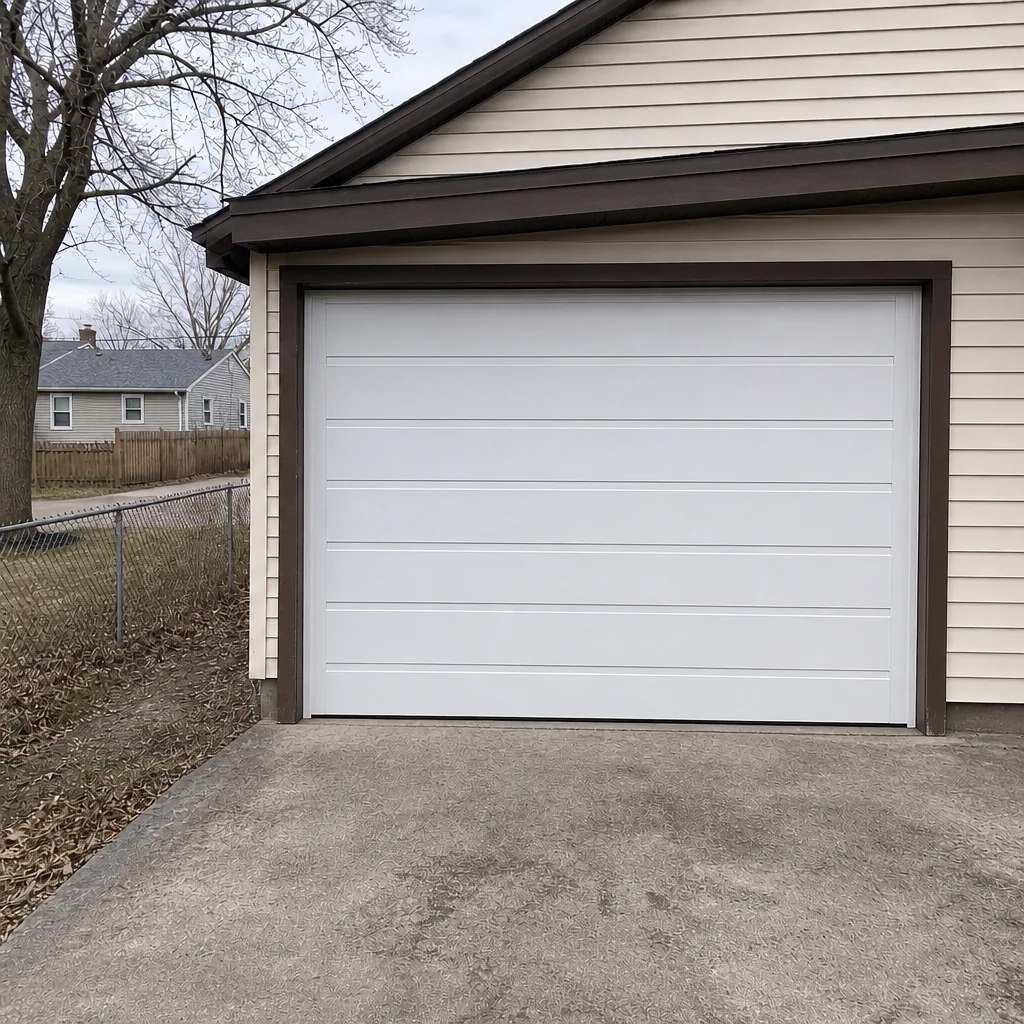
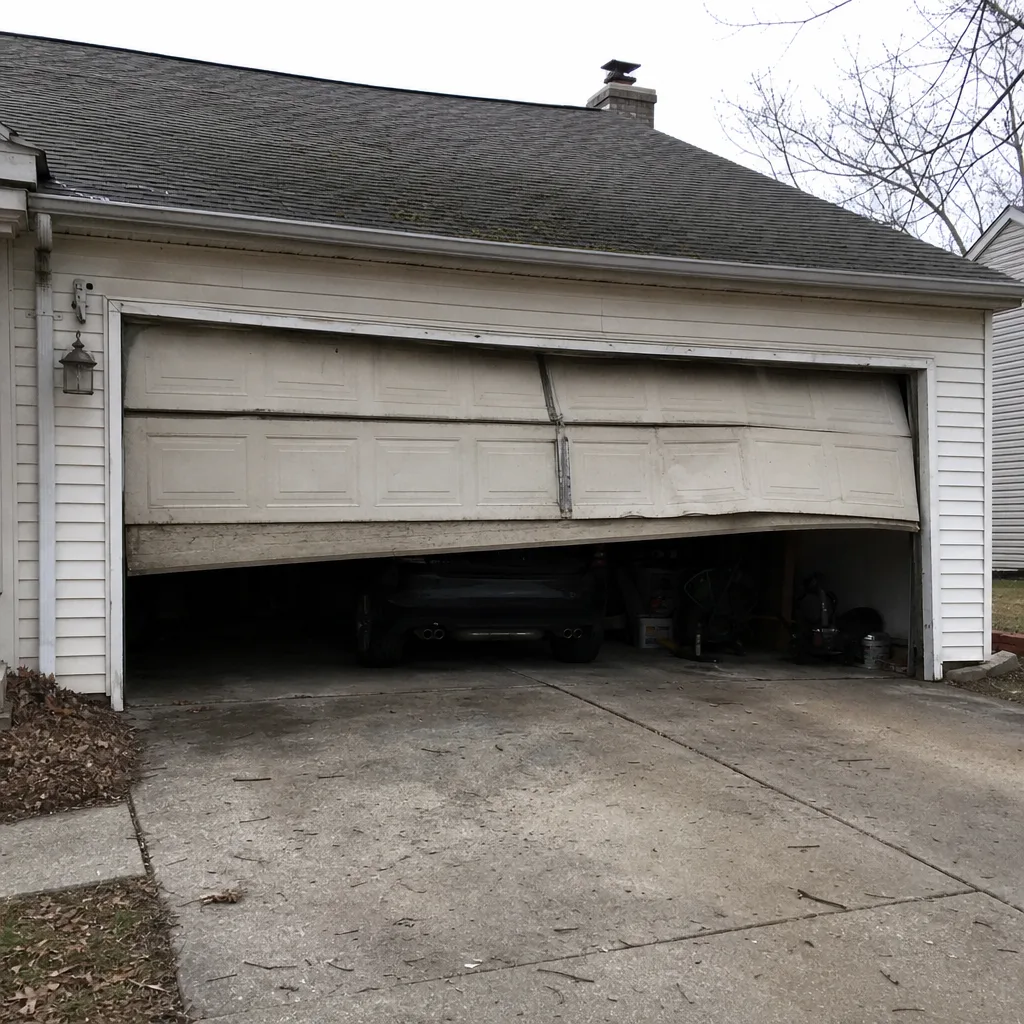
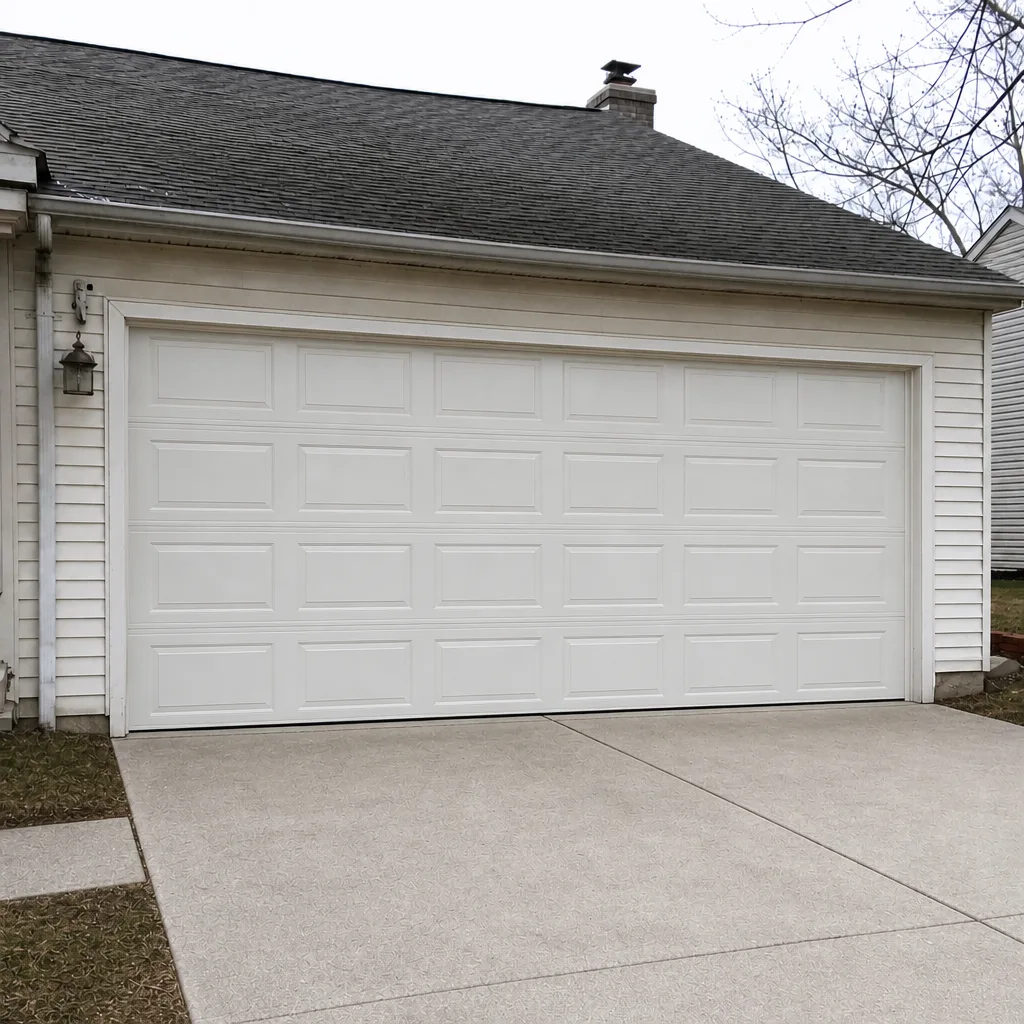
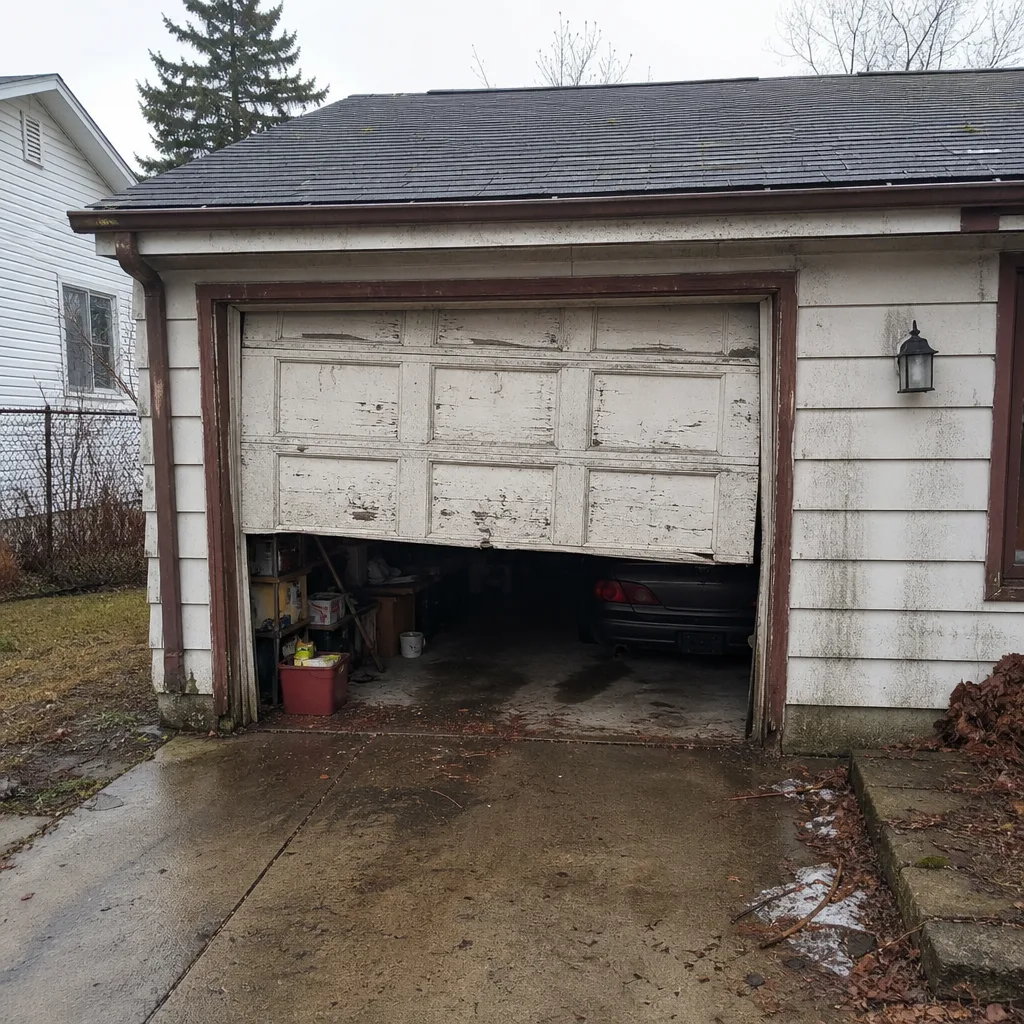
See the difference
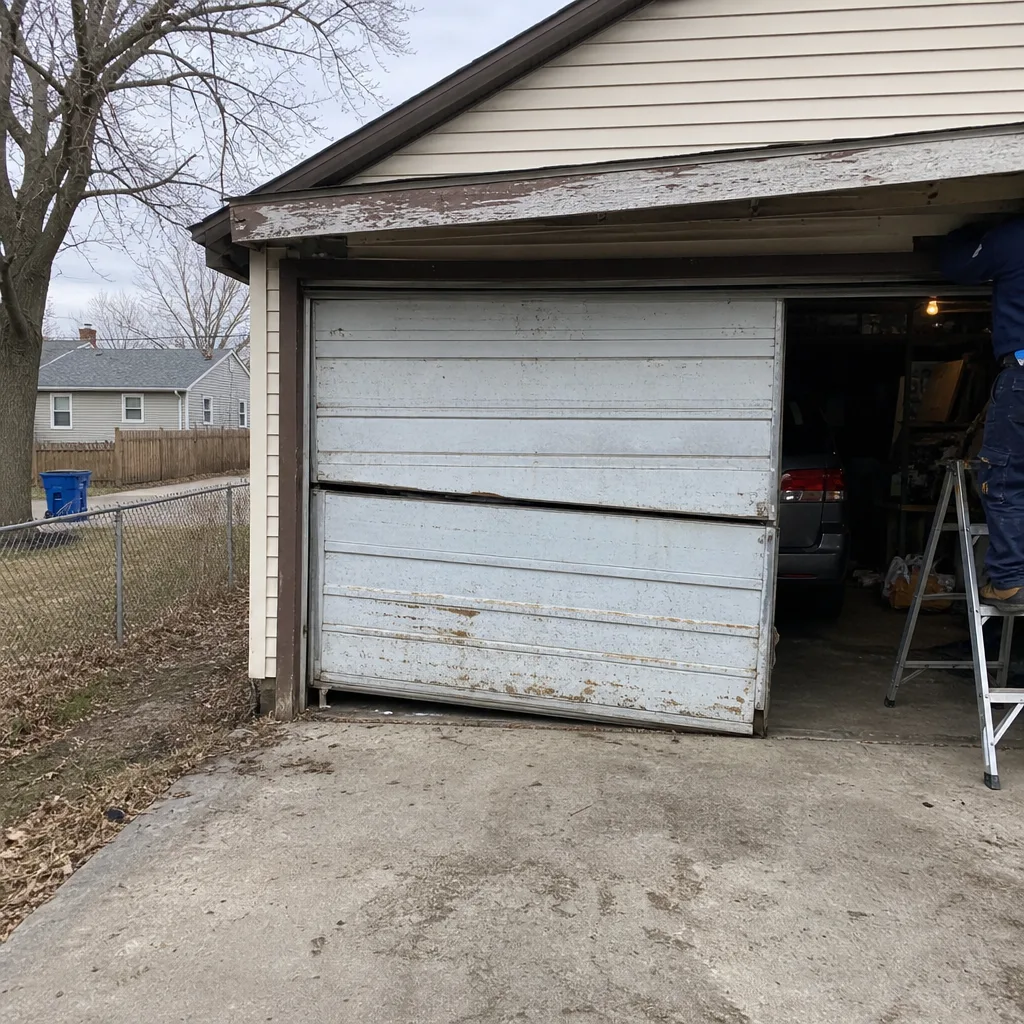 Before
 After
 Before
 After
 Before
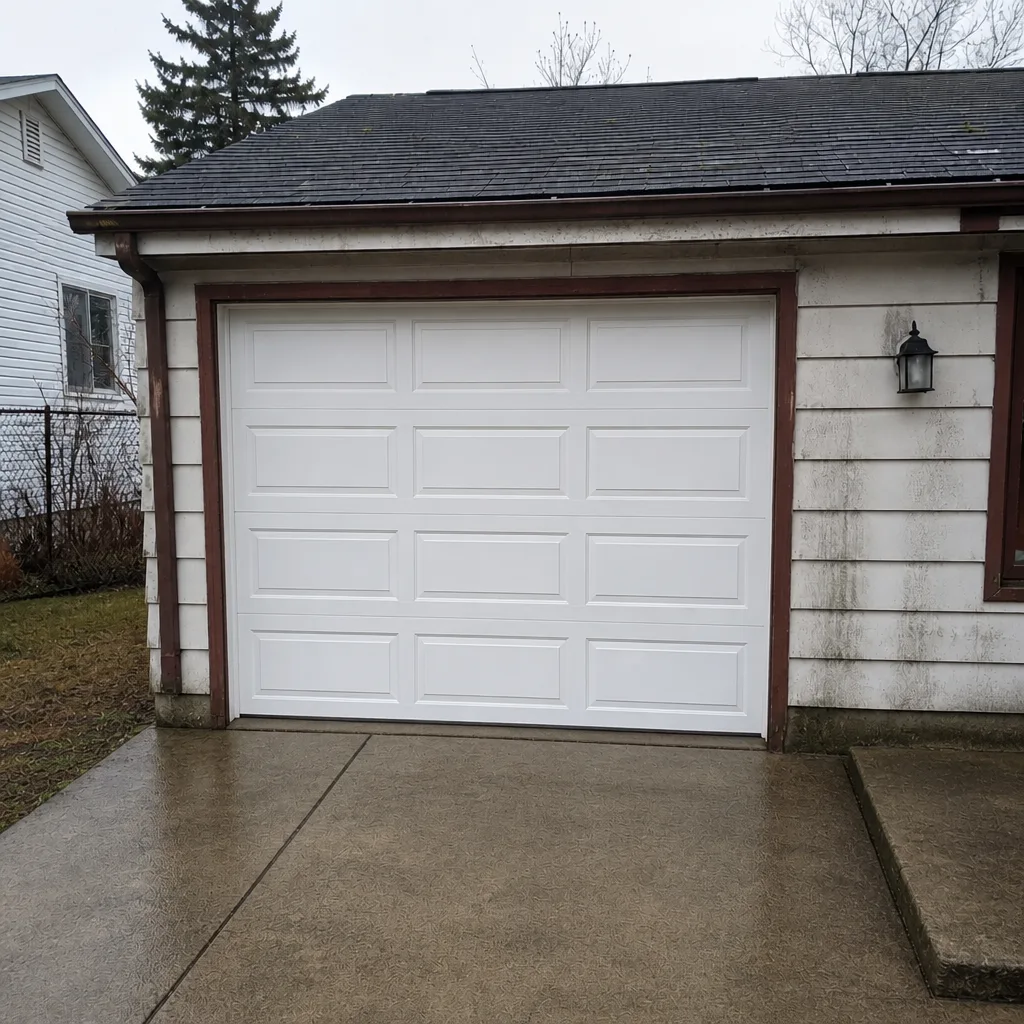 After
When to Call a Professional
Call when the door won’t stay up when you lift it by hand, when you’ve heard a pop from the springs, or when a cable is visibly off its drum or frayed. Call when the door is hanging at an angle or moving unevenly in its tracks. Call when the opener runs but the door doesn’t move, or when the door behaves the same way wrong twice.
Those are the situations where a homeowner’s instinct to “just try one more thing” turns a small repair into a bigger one. Spring, cable, and track problems are specific enough that only a trained technician should be diagnosing them under load.
Ridgeway Garage Door Repair offers free estimates in Elgin and the surrounding area. Our technicians have up to 11 years of experience, work across eight major door and opener brands, and quote the price in writing before any work starts. Call (844) 320-7553. We answer 24/7. Fast dispatch from 7am to 7pm, Sunday through Friday.
Frequently Asked Questions
A loud pop or bang from the springs, followed by the door becoming very heavy or refusing to lift, is the most urgent warning sign. It almost always means a torsion spring has broken. Stop using the door immediately and don’t try to lift it by hand – call a technician for a same-day diagnosis and quote. Call (844) 320-7553 for an exact quote – estimates are free.
Once a month, year-round. Place a roll of paper towels on the floor, close the door slowly, and verify it reverses on contact. Elgin’s temperature swings can shift the safety sensor alignment slightly over time, so a monthly test catches problems early. If the door fails the test or reverses before contact, call (844) 320-7553. We answer 24/7 and dispatch technicians from 7am to 7pm, Sunday through Friday.
Yes, generally. Northern Illinois freeze-thaw cycles, road salt dripped from wet cars, and summer humidity swings all wear on a garage door’s moving parts faster than a mild climate does. We suggest an annual inspection in early fall, ahead of the freeze, to check hinges, rollers, seal condition, and spring tension. Call (844) 320-7553 to schedule – estimates are free.
An intermittent “won’t close” is usually a safety sensor issue – a misalignment, a cobweb, a leaf, or a reflection from glass in the driveway confusing the photo-eye. It’s also the classic early sign of a degrading opener logic board or capacitor. Either way, intermittent problems are often closer to failure than consistent misbehavior. Call (844) 320-7553 to book a diagnostic.
Yes. Mismatched springs on a two-spring door, straps bolted at uneven heights, rollers installed backwards, or an oversized opener mounted on an already-imbalanced door are all clues that a previous repair was a shortcut. Fixing the symptom without finding the root cause usually means the same problem returns. Call (844) 320-7553 for a full-door diagnostic.
Usually not a good idea. In our experience, a door that’s getting slower or heavier is showing spring fatigue, not opener failure. Replacing the opener without addressing the springs puts a new motor to work on a door it was never sized for, and the new opener fails early. Diagnose the balance first. Call (844) 320-7553 for a free estimate and a written quote.
The Bottom Line
Most garage door failures don’t happen without warning. They happen to homeowners who didn’t know what the warning looked like. The three channels to track are sound, movement, and appearance; the two urgency levels are “stop using it” and “schedule it this week.” Popping, sagging, or a door that won’t stay up by hand means stop now. Grinding, jerky movement, or a door that works “most of the time” means call before it becomes an emergency. If you’re ever uncertain, the safest decision is to stop using the door and get it inspected by someone who works on garage doors for a living. In Elgin, that’s us.
Ridgeway Garage Door Repair is a dedicated garage door specialist – repair, opener repair, and installation. We’re fluent in LiftMaster, Chamberlain, Genie, Clopay, Amarr, Wayne Dalton, Craftsman, and Raynor, so we arrive already familiar with your system. Repair first, replace only when it makes sense. To book a visit or get a free estimate, call (844) 320-7553. We answer 24/7. Fast dispatch from 7am to 7pm, Sunday through Friday.
For more on our Elgin coverage, our service pages, and how we approach the work, browse the rest of the site or call the number above.
Written by the team at Ridgeway Garage Door Repair.