
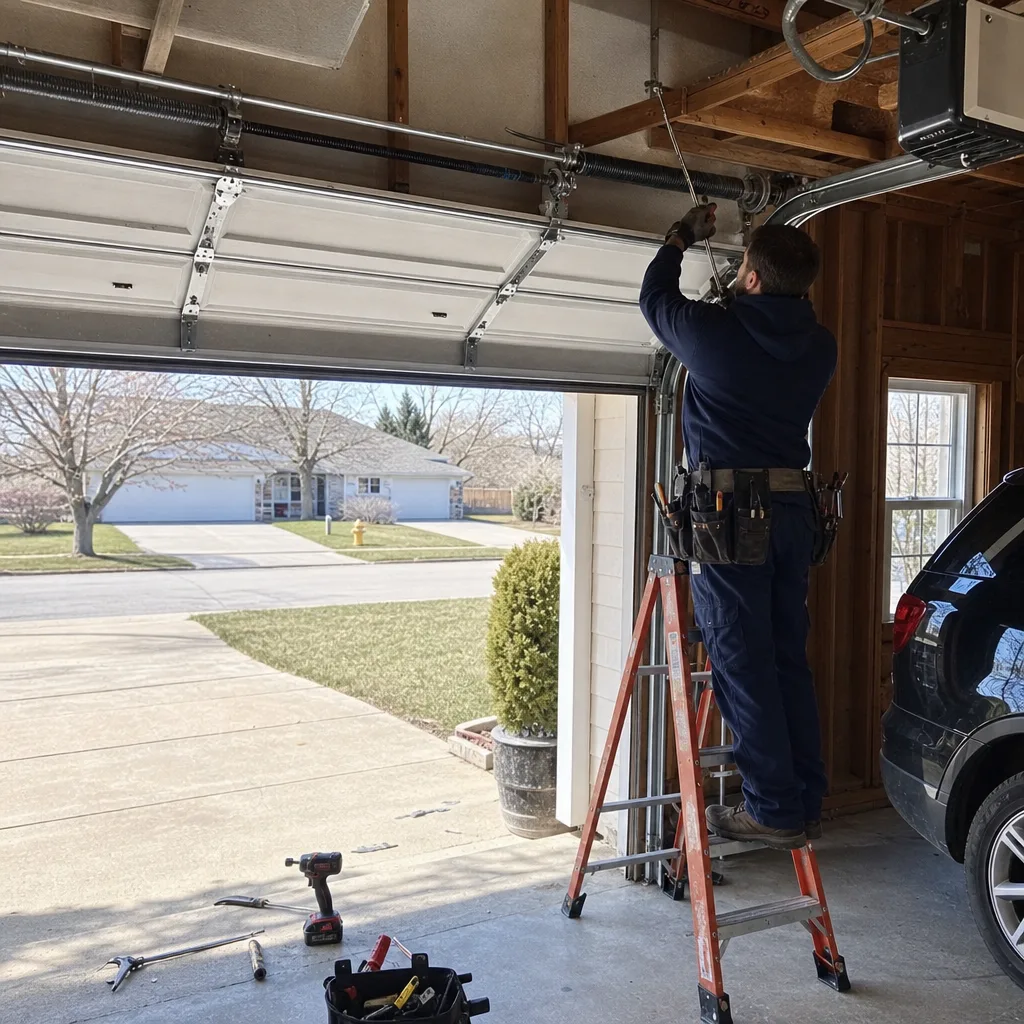
Last updated November 15, 2026
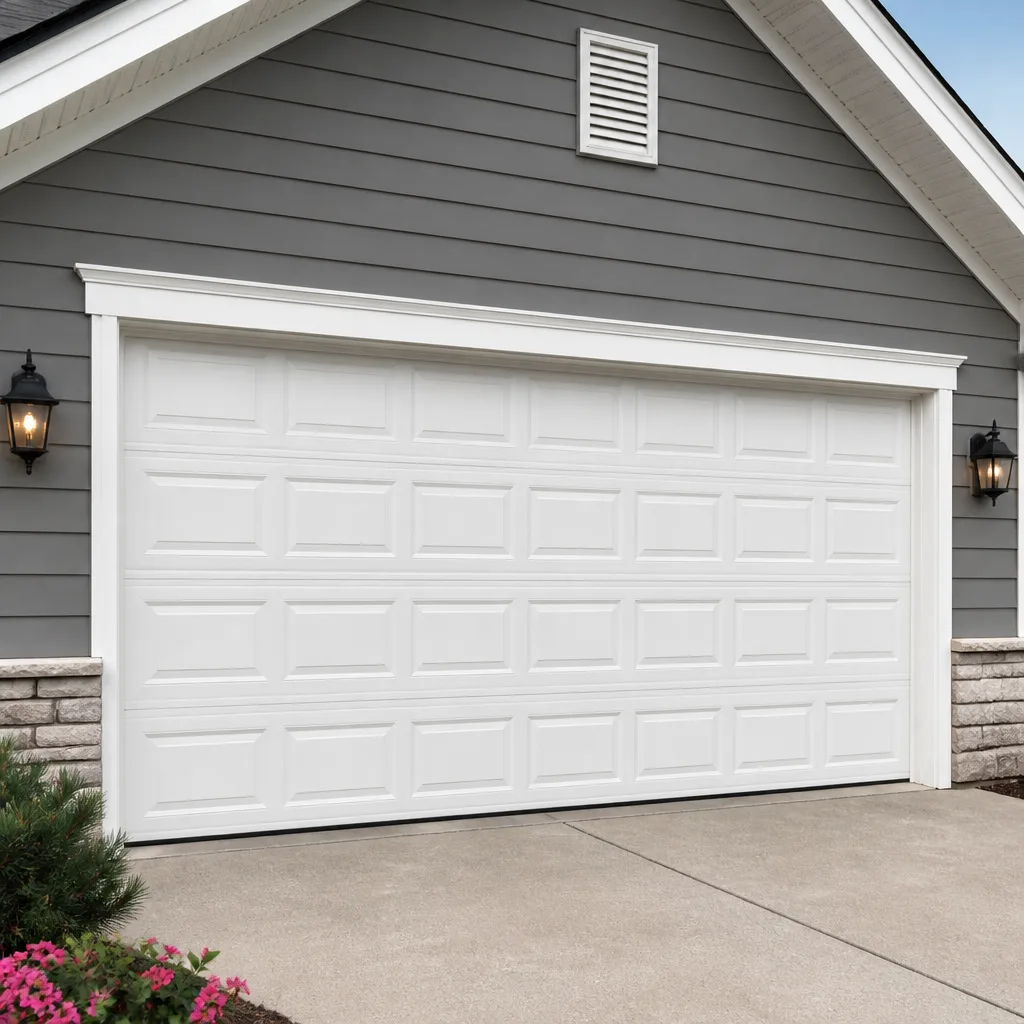 Raised-panel steel
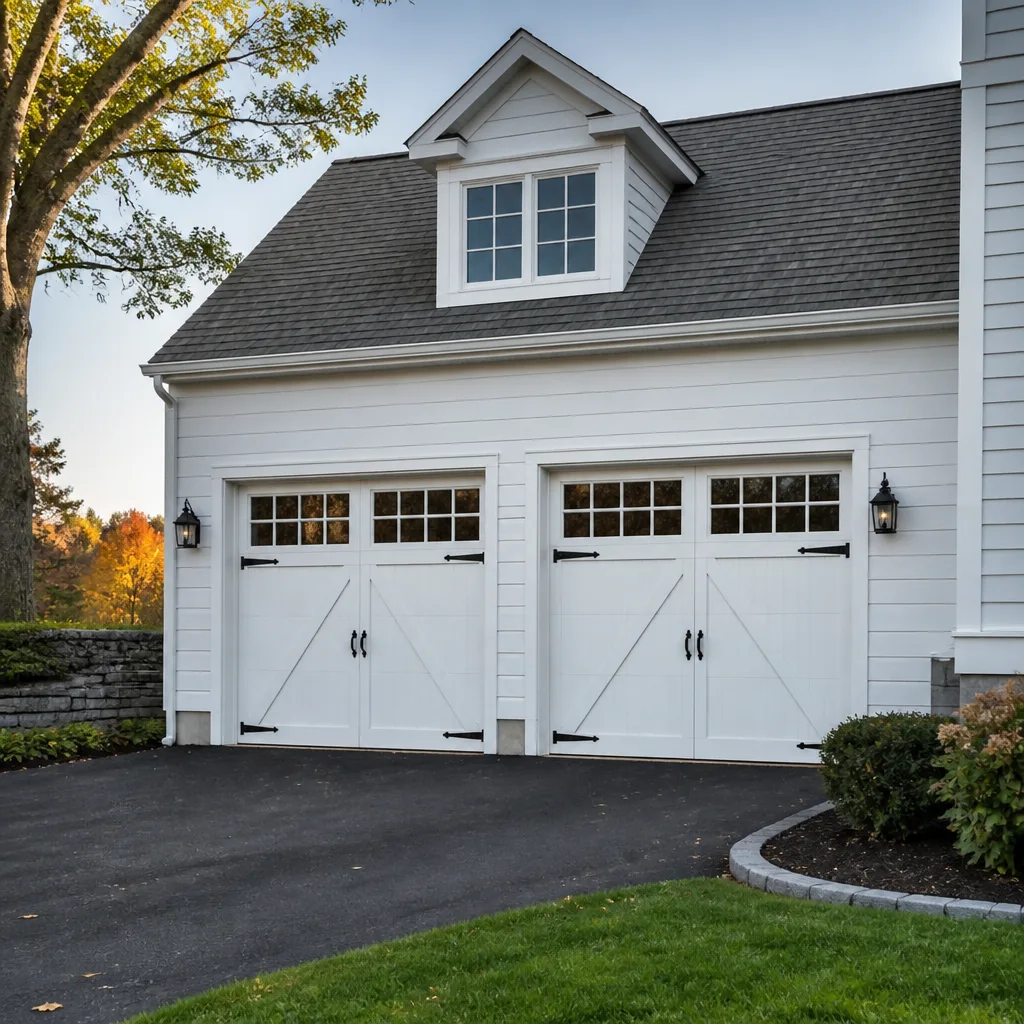 Carriage house
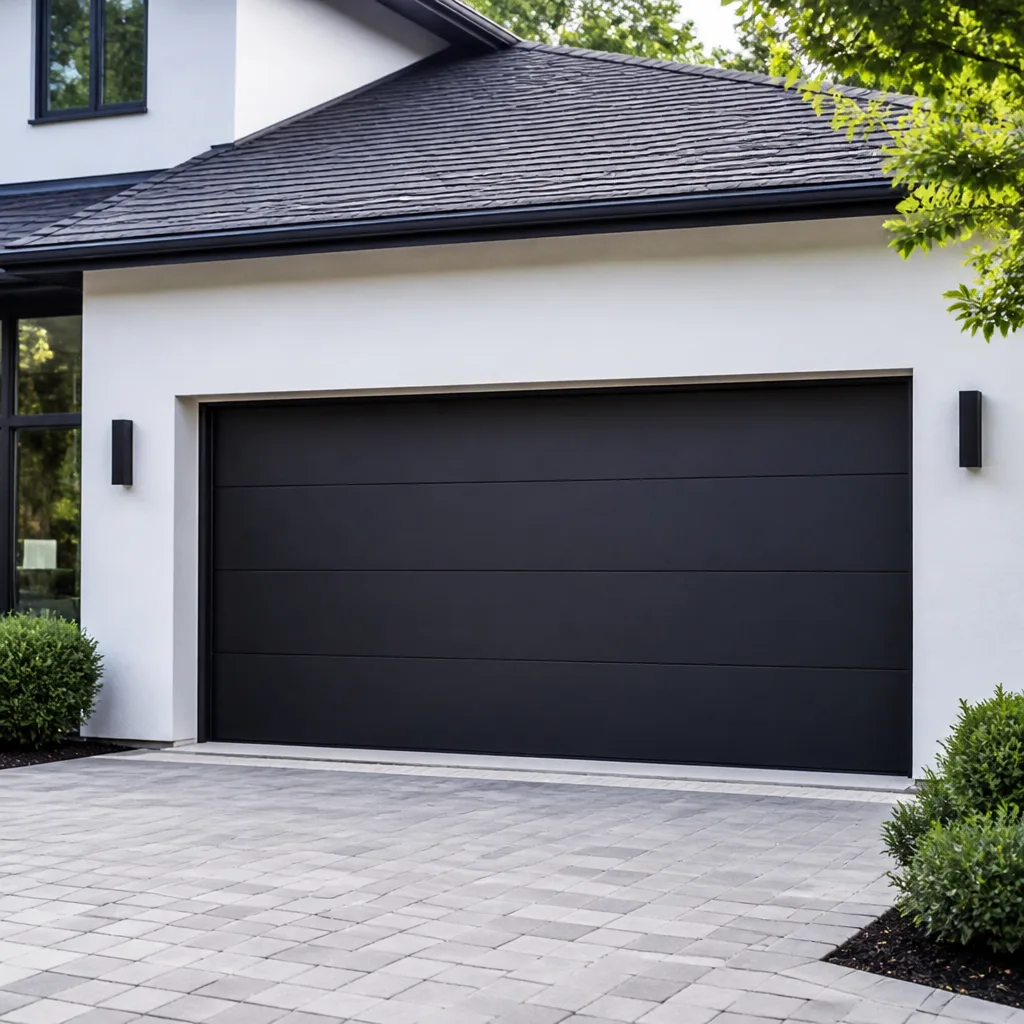 Modern flush
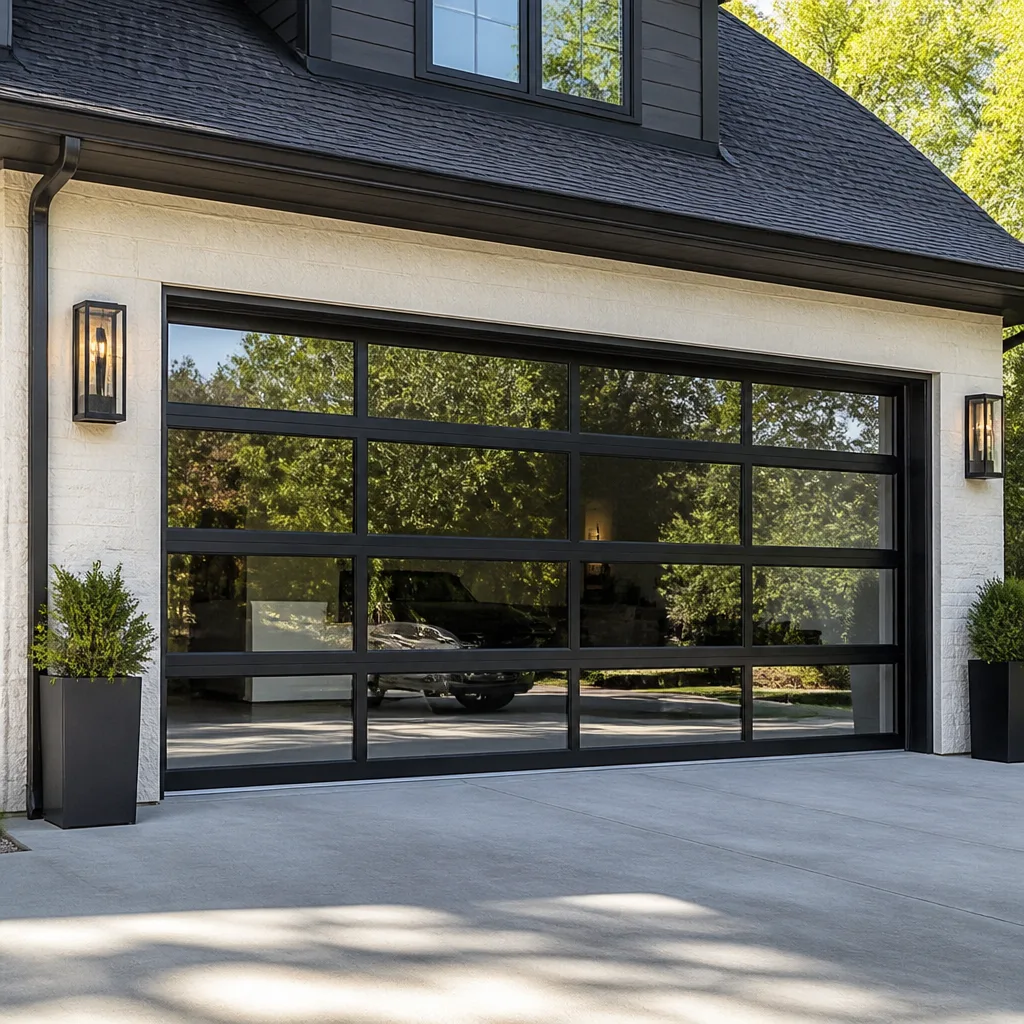 Full-view glass
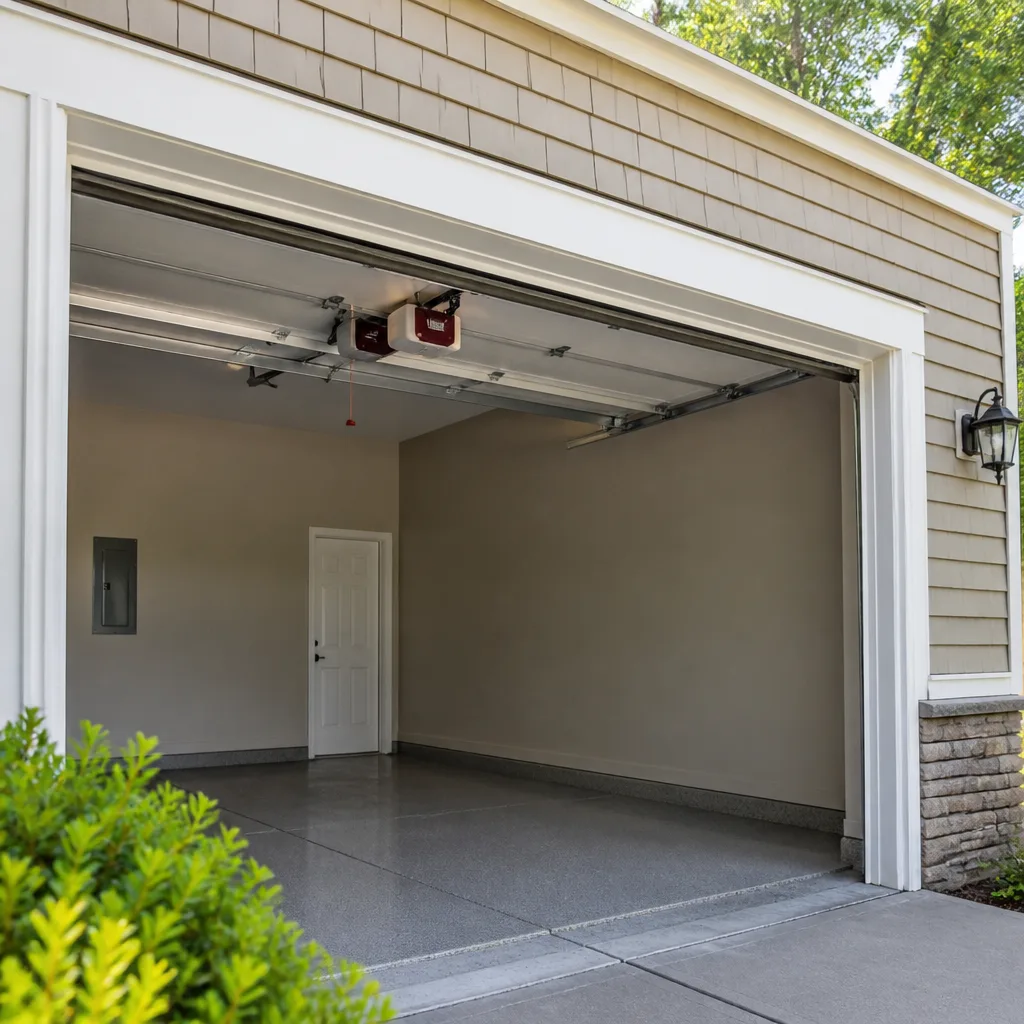 LiftMaster openers
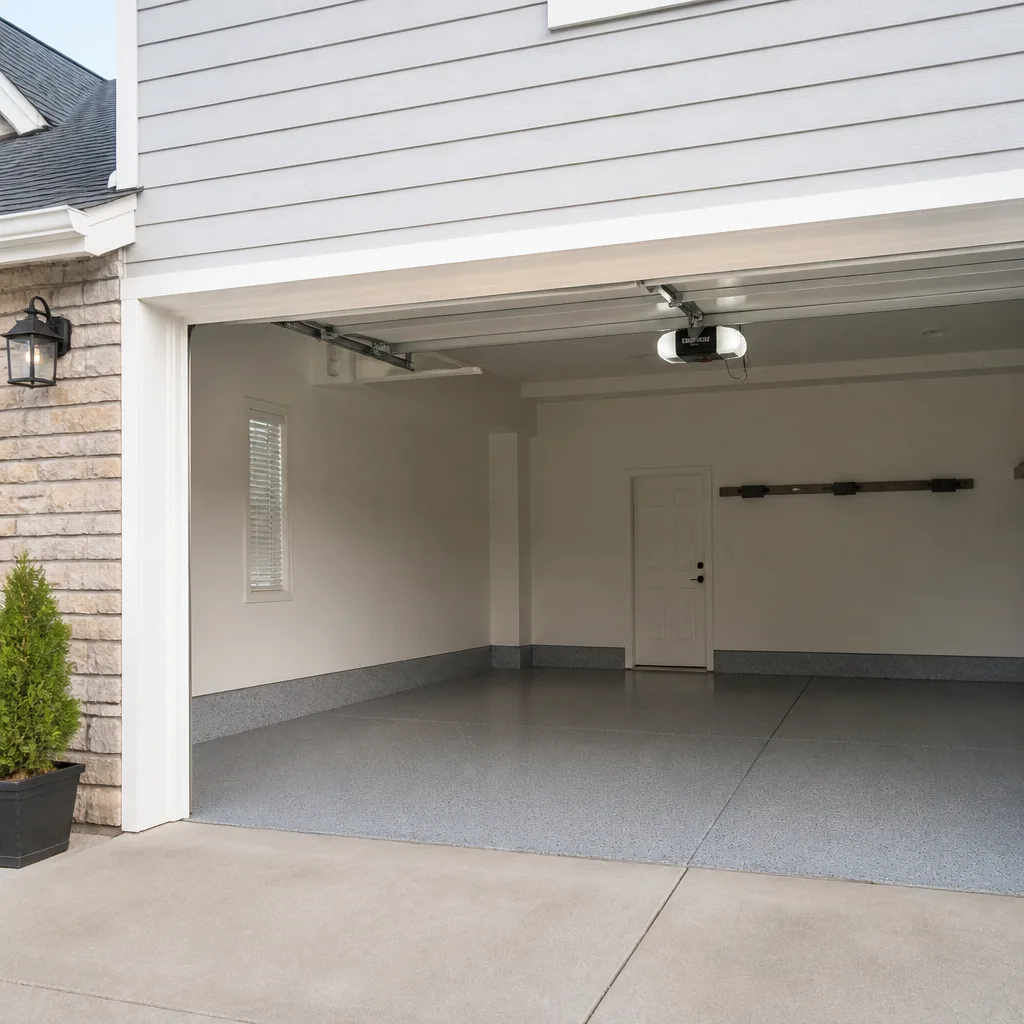 Chamberlain openers
Full 25-point door and opener safety check with every visit - springs, cables, rollers, tracks, and your LiftMaster or Chamberlain opener included
You get a price before we start. It does not change when the pro arrives.
Get your free estimateChoosing the Right Garage Door Brand: A Buyer’s Guide for Elgin
Picking a garage door brand based on a dealer’s recommendation is a bit like asking a Ford dealership to compare trucks. The advice isn’t necessarily wrong, but the perspective is narrow by design. A single-brand dealer carries one line, so that line tends to win every comparison. In Elgin, where winters bring hard freezes, lake-effect snow, and summer humidity swings, the brand name on the door matters far less than whether its parts are serviceable years from now and whether the door’s construction suits how you actually use it. This guide reframes the brand question around long-term serviceability and gives you the questions to ask before you sign anything.
Quick Answer
The “best” garage door brand in Elgin is the one whose parts your local service provider can actually source when something breaks, and whose construction matches your climate and daily use. For most Elgin homes, that means a well-built steel door from a brand with strong Midwest parts availability – Clopay, Amarr, Wayne Dalton, and Raynor all fit that bill – paired with an opener from a widely serviced platform like LiftMaster or Chamberlain. Brand prestige ranks below gauge, insulation, sealing, and serviceability.
Styles & brands we work with
- Raised-panel steel
- Carriage house
- Modern flush
- Full-view glass
- LiftMaster openers
- Chamberlain openers
Table of Contents
- Why Brand Name Matters Less Than You Think
- The Five Construction Factors That Actually Determine Longevity
- How Elgin’s Climate Tests a Garage Door
- Parts Availability in the Chicago Metro Area
- How Brand Choice Interacts With Opener Compatibility
- Builder-Grade vs. True Mid-Tier: Same Brand, Different Door
- Why a Brand Your Local Provider Knows Beats Brand Lock-In
- Common Mistakes to Avoid
- When to Call a Professional
Why Brand Name Matters Less Than You Think
Walk into any showroom and you’ll see doors labeled by manufacturer, as if the name on the label tells you everything. It doesn’t. Most of the residential doors installed across the Chicago metro come from a handful of large manufacturers, and each one sells multiple product lines at wildly different quality levels. The brand on the door tells you who built it. It doesn’t tell you which line it’s from, how thick the steel is, or whether that panel profile will still be available in a decade.
The question worth asking isn’t “which brand is best” but “will I be able to repair this door, and with whose parts, in ten years?” That’s a serviceability question, not a marketing one. It depends on your local parts ecosystem – the distributors and service providers who stock and order for the brands sold here.
In our experience working across eight of the most widely installed garage door and opener brands, the practical differences between good doors from different manufacturers are smaller than the differences between a good line and a builder-grade line from the same manufacturer. A homeowner comparing door brands is often really comparing a premium product from one maker against an entry product from another, without realizing it.
There’s also the question of what you’ll need after the door goes up. Every door eventually needs a spring, a roller, or a panel, and some brands make it easier to keep a door alive than others. If you’re weighing a repair against a replacement right now, our guide to garage door repair explains how to tell which path makes sense. And if you’re not sure the brand on your current door even matters yet, calling us at (844) 320-7553 for a free estimate is a reasonable place to start.
Key Takeaways
- Brand name tells you the manufacturer, not the quality tier of your door.
- Serviceability – parts availability years from now – outranks brand prestige.
- Construction and insulation matter more than the label in a climate like Elgin’s.
- A brand your local provider knows well beats a brand only one installer carries.
The Five Construction Factors That Actually Determine Longevity
If the brand name is the wrong lens, what’s the right one? Construction. These are the five factors that decide how long a door lasts and how it behaves in Elgin’s weather.
- Steel gauge. The thickness of the steel skin on the door’s front face. Thicker gauge resists dents from impacts – a kicked soccer ball, a car bumper, a fallen branch – and holds its shape through freeze-thaw cycles. Construction-grade steel is often thinner than the mid-tier product from the same brand. Ask what gauge the door actually uses rather than assuming.
- Insulation type and R-value. A single-layer steel door has no insulation. A sandwich door has a core and a back skin, and the core can be polystyrene (lower insulating value) or polyurethane (higher). The R-value tells you how well the door resists heat flow, which matters for any Elgin home with a living space above or beside the garage. Ask for the R-value and whether it’s a sandwich construction.
- Joint sealing. The seams where the door’s panels meet, and the gap between the door and the frame, are where heat, moisture, snowmelt, and cold air get in. Tight panel joints, weatherstripping at the frame, and a decent bottom seal make far more practical difference than a higher R-value slapped on loose joints.
- Bottom seal design. The bottom seal is the rubber or vinyl strip along the door’s lower edge – the part that sits against the floor. In a cold-climate climate with freeze-thaw and melting snow, a good bottom seal keeps meltwater out of the garage and prevents cold air from pouring underneath. A cheap seal cracks and stiffens, and that’s where drafts start. A reinforced seal or a slightly heavier design lasts longer.
- Finish durability. The factory finish protects the steel, and steel’s enemy is moisture. A well-prepped and baked-on finish resists chalking and rust far better than a thin or sprayed-on coating. On a door facing the snow and road spray that come with Chicago-area winters, finish quality shows up in years of appearance and corrosion resistance.
None of these five show up on a brand logo. All of them show up on a good spec sheet, and any reputable provider in Elgin should be able to hand you that spec sheet before you order. If a dealer can only tell you the brand and the price, keep asking questions.
How Elgin’s Climate Tests a Garage Door
Elgin sits in northern Illinois, where the garage door faces a real workout. Winter brings hard freezes and snow that gets pushed against the door face. Spring and summer bring humidity and heat swings. The sun beats on south-facing doors. All of that cycles through a door for years, and construction decisions that seem minor on the showroom floor become important in a driveway.
The door sections should be up to the freeze-thaw cycle. When snowmelt collects at the floor line and refreezes overnight, the bottom seal and the door’s lower edge take the hit first. A stiff, cheap bottom seal hardens and shrinks, gaps appear, and cold air finds its way in. That same freeze-thaw works on the door’s finish, and any moisture that gets behind a compromised coating starts the corrosion process on the steel skin.
Insulation also behaves differently here than in mild climates. A door exposed to sub-freezing mornings and hot afternoons will expand and contract on a schedule – a sandwich-construction door with a stable core handles those cycles better than a single-skin door that flexes and rattles. If the garage shares a wall with a living space, the R-value becomes a comfort issue, not a cosmetic one.
This is where a lot of brand comparisons go wrong. The manufacturer selling into Chicago-area markets designs for cold winters, but the entry-level line from that manufacturer is built to a price point. The mid-tier and premium lines are built for the climate. When you compare brands for an Elgin home, compare tiers within a brand and construction specs across brands, not logos across brochures.
Torsion springs, cables, tracks, and the door’s balance are part of the same winter picture – as temperatures drop, metal components behave differently and the whole assembly works harder. If you’re already hearing strange noises from the door, that’s a repair question, and our team can look at the door’s brand and model before we arrive. We work on what you already have, and that starts with knowing the system in your garage.
Parts Availability in the Chicago Metro Area
Here’s the part of the brand conversation most buyers never hear: the day will come when you need one panel, one spring, or one bracket, and at that moment the only question is whether it’s available. A brand carried by a broad distributor network in the Chicago metro makes replacement parts easy to source. A brand that’s sold through a limited dealer network, or a product line that’s been discontinued, can mean long lead times when a panel needs to match.
Panel matching is the specific headache. Garage doors are sold in a panel profile with a specific texture and color, and if a door gets dented, the cleanest repair is a matching panel from the same line. If that panel is discontinued or only stocked by a distributor that doesn’t serve the Chicago area, you’re facing a full-door replacement for a single damaged section. In our experience, this is where brand choice quietly costs homeowners the most.
Brands with strong local parts availability in the Chicago metro area include Clopay, Amarr, Wayne Dalton, and Raynor – each has a wide dealer and distributor footprint, and replacement parts and matched panels are generally sourceable through local channels. Craftsman, Genie, and LiftMaster cover the opener side of the same question.
When you’re comparing brands, ask three things:
- Is this door’s product line current, or is it being phased out?
- Who in the Chicago metro area stocks replacement panels and springs for this exact line?
- Can your provider match a replacement panel to my door’s profile and color years after install?
If a dealer can’t answer those questions, the brand’s footprint in the area is part of the answer. An Elgin home at the edge of the metro can still source parts easily for a well-supported brand; the same door from a limited-distribution line can be a headache.
How Brand Choice Interacts With Opener Compatibility
A garage door and its opener are two systems that have to work together. Door weight and balance determine how much opener you need; opener type determines what kind of door it can handle efficiently; and both determine whether your smart-home setup will work at all. Brand choice on the door affects all of this more than you’d expect.
Start with weight. Insulated doors, especially sandwich-construction doors, are heavier than single-skin doors. An opener sized for a light door may be underpowered for a heavy insulated one – and that mismatch shows up as a strained opener, a sluggish door, and eventual strain on the door’s balance components. When you pick a door, pick the opener to match its weight, not the other way around.
Now the smart-home side. The two dominant platforms are LiftMaster and Chamberlain’s myQ ecosystem, which covers a huge share of connected openers. If you’re planning a smart garage setup – checking the door from your phone, getting alerts – the door brand matters less than the opener brand. A Clopay or Amarr door paired with a myQ-enabled opener is a clean combination; the door brand and opener brand don’t need to match.
Then there’s the legacy and budget side. Craftsman and Genie make up a large share of older openers in Elgin garages, and they behave differently from modern smart openers in ways that matter when you’re replacing parts or considering a new install. If your opener is on its last legs and you’re pairing it with a new door, this is the moment to decide whether to stay in your current ecosystem or move to a connected platform.
The practical answer: door brand and opener brand are independent choices, but door weight, opener capacity, and smart-platform compatibility are not. Match on those, and the logos can be whatever your local service provider knows well. Our garage door opener repair work covers the myQ ecosystem and legacy systems alike, so we’ve seen how the two sides of the equation fit together in this climate.
Builder-Grade vs. True Mid-Tier: Same Brand, Different Door
One of the most useful distinctions in garage door shopping is one no showroom sign will make for you: the difference between a builder-grade door sold under a premium brand name and a true mid-tier or premium product from the same manufacturer. Both may carry the same logo. They are not the same door.
Builder-grade doors are built to a price point. They use thinner steel, single-layer construction with no insulation or a minimal core, simpler sealing, and a lighter finish. They’re common on new construction because the builder is buying to a budget and the homeowner isn’t in the room for the decision. That’s not a knock on every builder-grade door – many hold up fine for years in a mild climate or a low-traffic garage. In Elgin’s climate, the trade-offs show up faster.
True mid-tier doors from the same manufacturer build on the same profile with better construction: heavier steel, sandwich construction with a real insulation core, tighter joints, and a more durable finish. Premium lines add further – more insulation, more reinforcement, design options. The gap between builder-grade and mid-tier from the same brand is often larger than the gap between two brands’ comparable mid-tier products.
How to tell the difference when you’re shopping:
- Ask for the spec sheet or product data, not just the price. It lists gauge, insulation type, R-value, and construction.
- Look at the door’s construction directly – a single-layer door with no back skin and no core is builder-grade.
- Ask whether the model and line are current or being phased out, and where its parts are sourced in the Chicago metro area.
- Confirm the door’s weight, so the opener is sized correctly.
- Get the finish described – what coating is on the steel, and whether it’s meant to hold up to a cold-climate outdoor exposure.
If you’re comparing a mid-tier door from Clopay against a premium door from Amarr, you’re comparing two real options. If you’re comparing a builder-grade Clopay against a mid-tier Clopay, you’re comparing very different products with the same nameplate. A written quote should tell you which one you’re actually buying before any work starts.
Why a Brand Your Local Provider Knows Beats Brand Lock-In
The single most reliable predictor of a smooth garage-door experience isn’t the brand – it’s whether the person servicing it knows the brand well. That’s the argument for a multi-brand service provider over an installer who exclusively carries one line. Not because the carried line is bad, but because exclusivity narrows the advice you’ll get.
A multi-brand provider has seen the brand’s construction in the field, its parts availability across the metro, and the failure points that show up after a few Elgin winters. They also have no incentive to steer you to one line – they fix what you have. That’s the difference between a diagnosis and a sales pitch, and it’s why we keep eight of the most widely installed garage door and opener brands familiar: LiftMaster, Chamberlain, Genie, Clopay, Amarr, Wayne Dalton, Craftsman, and Raynor.
Look for a provider whose service order tells you how they think. A company that lists repair and opener repair ahead of installation says, without saying it, that replacement is a last resort rather than a default. That’s a repair-first philosophy, and it’s the one that saves homeowners money over the life of a door.
This is why buying a brand your local provider already knows often beats buying the brand your installer exclusively carries. The door is the door; the relationship that keeps it running – parts, panels, springs, panels years from now – is what you’re really buying. When your Elgin door needs service, a provider who can match a replacement panel, source a part, and diagnose the system in your specific garage is worth more than a logo on a brochure.
The same logic applies to how you choose who does the work. We tell homeowners in Elgin to ask any garage door company the same questions they’d ask a dealer: which brands do you service, how do you source parts, and what happens when something needs matching years from now. The answers tell you as much as the brand name does.
Common Mistakes to Avoid
- Buying the logo instead of the spec sheet. A brand name doesn’t tell you the gauge, insulation, or sealing of the door you’re actually getting. Ask for construction details and compare those, not the names.
- Assuming a premium brand means a premium door. Builder-grade doors carry premium nameplates. Same logo, very different build. Confirm the line, not just the manufacturer, before you sign.
- Ignoring parts availability in the Chicago metro area. A beautiful door whose panels can’t be matched locally becomes an expensive problem the first time a section gets dented.
- Sizing the opener for the wrong door. A heavy insulated door needs a more capable opener than a builder-grade single-skin door. A mismatched opener strains both the opener and the door assembly.
- Trusting a dealer’s comparison of brands. A single-brand dealer can only recommend what that dealer carries. Get a comparison from a provider who services multiple brands and has no reason to favor one.
- Skipping the local-climate questions. In Elgin, freeze-thaw cycles and snowmelt test the bottom seal, finish, and joints first. Ask specifically how a door handles those, not whether it’s “energy efficient” in general.
- Treating brand as a lock-in lifetime commitment. Door and opener brands are independent choices, and a service provider who works across both makes a mixed-brand setup easy to maintain.
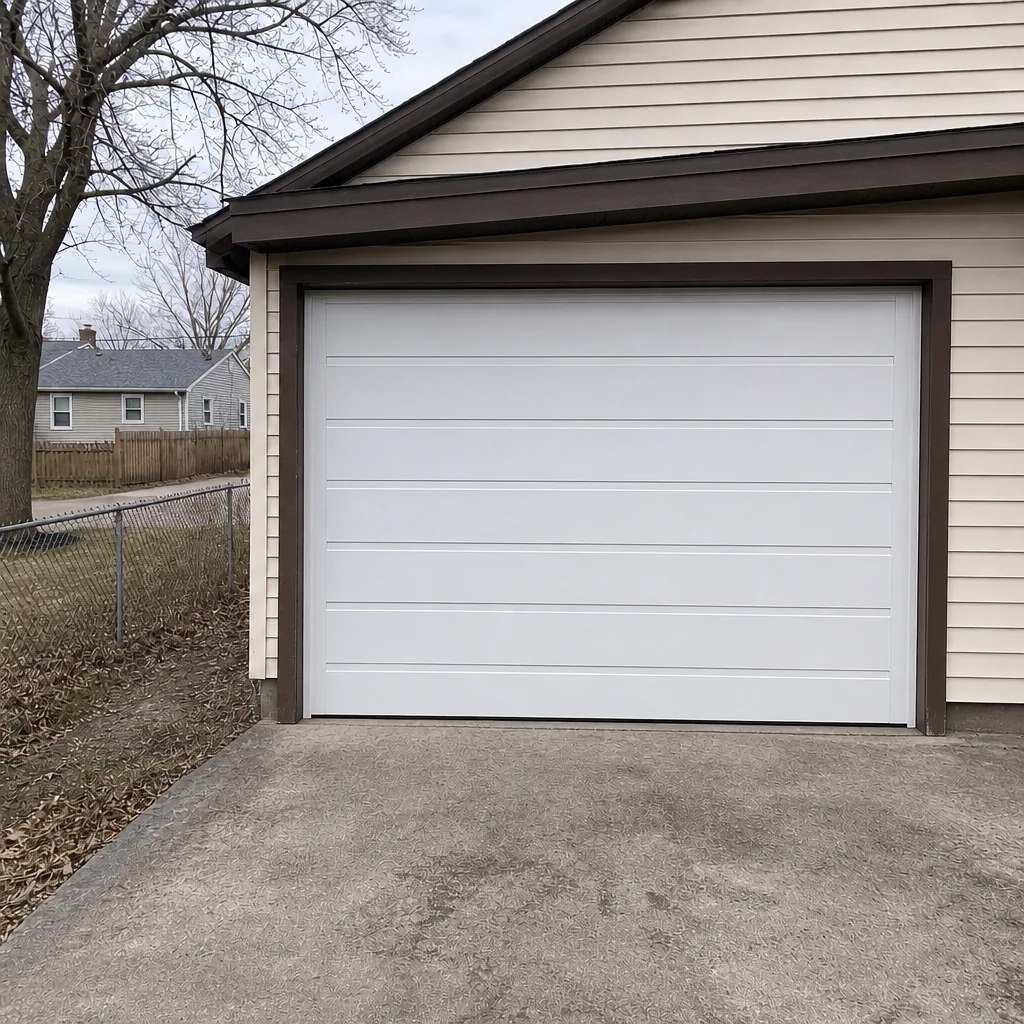
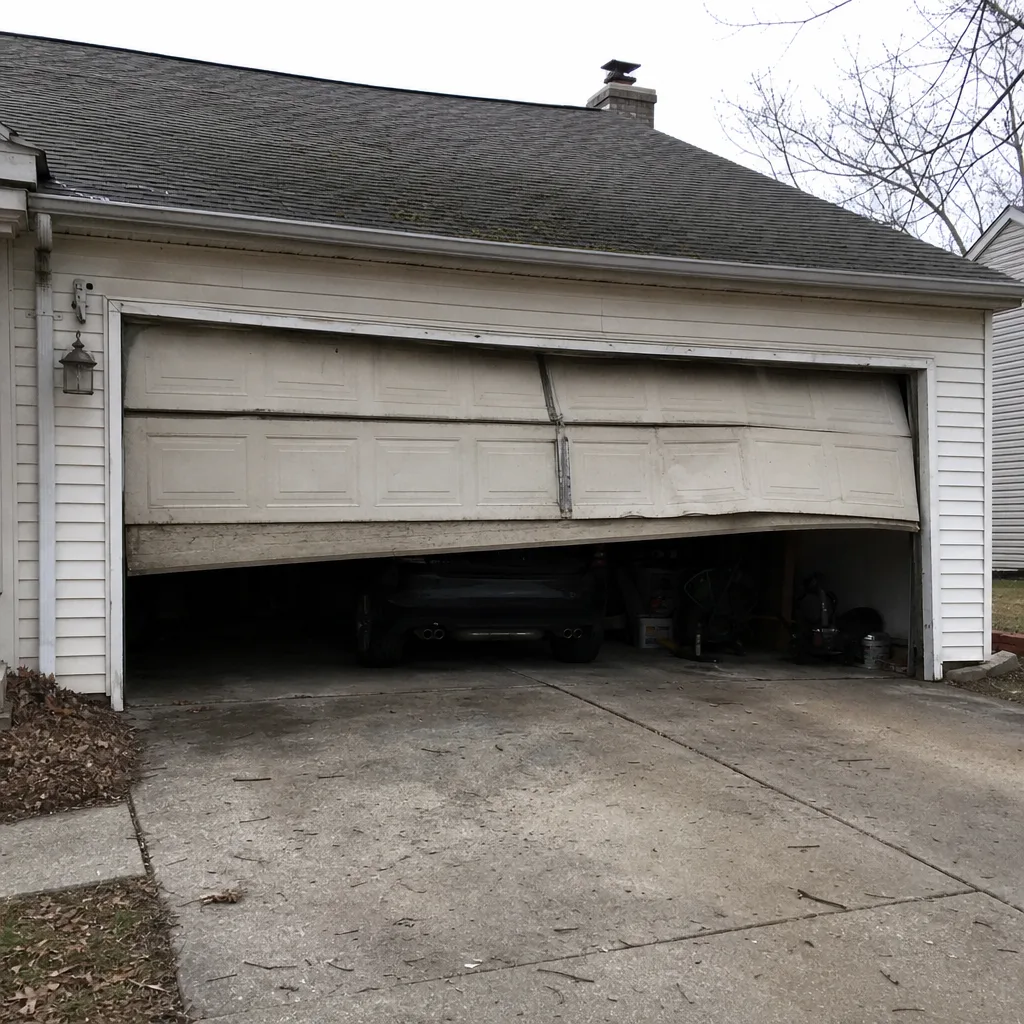
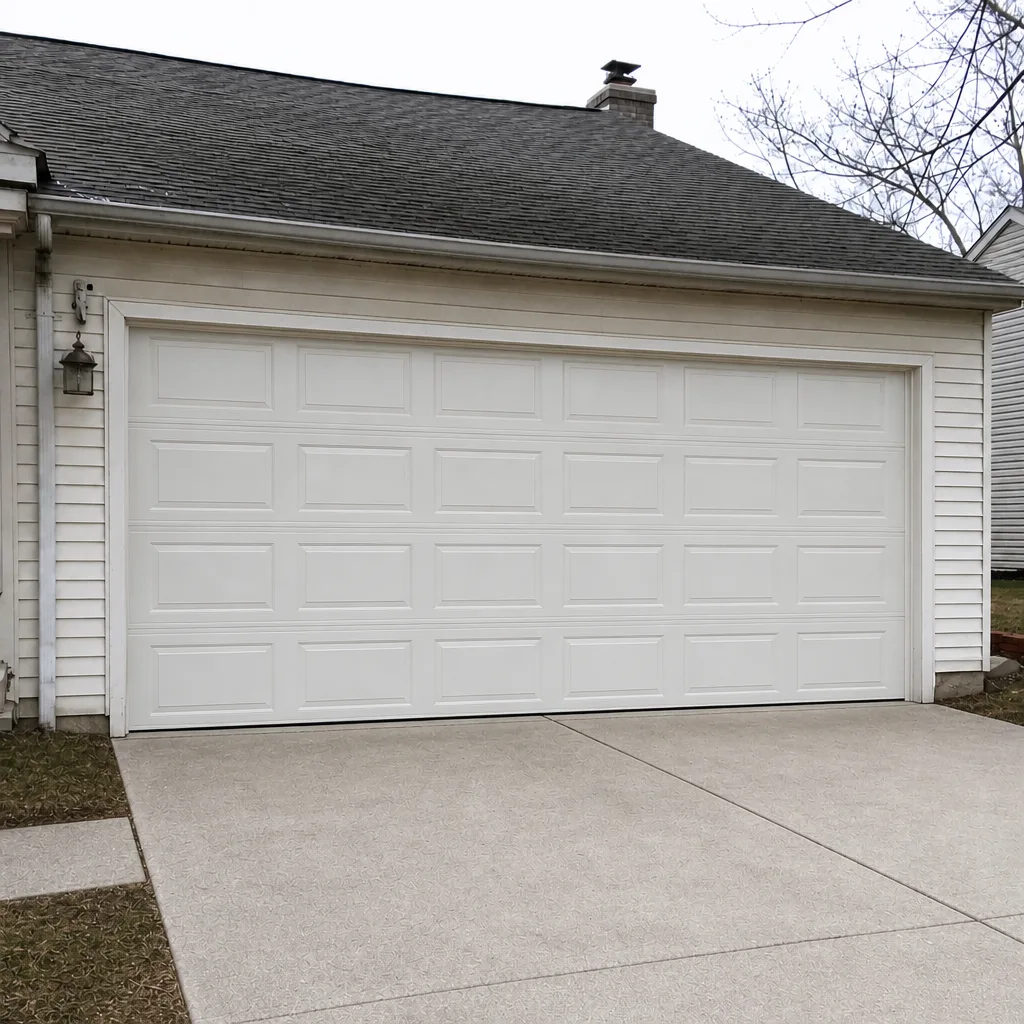
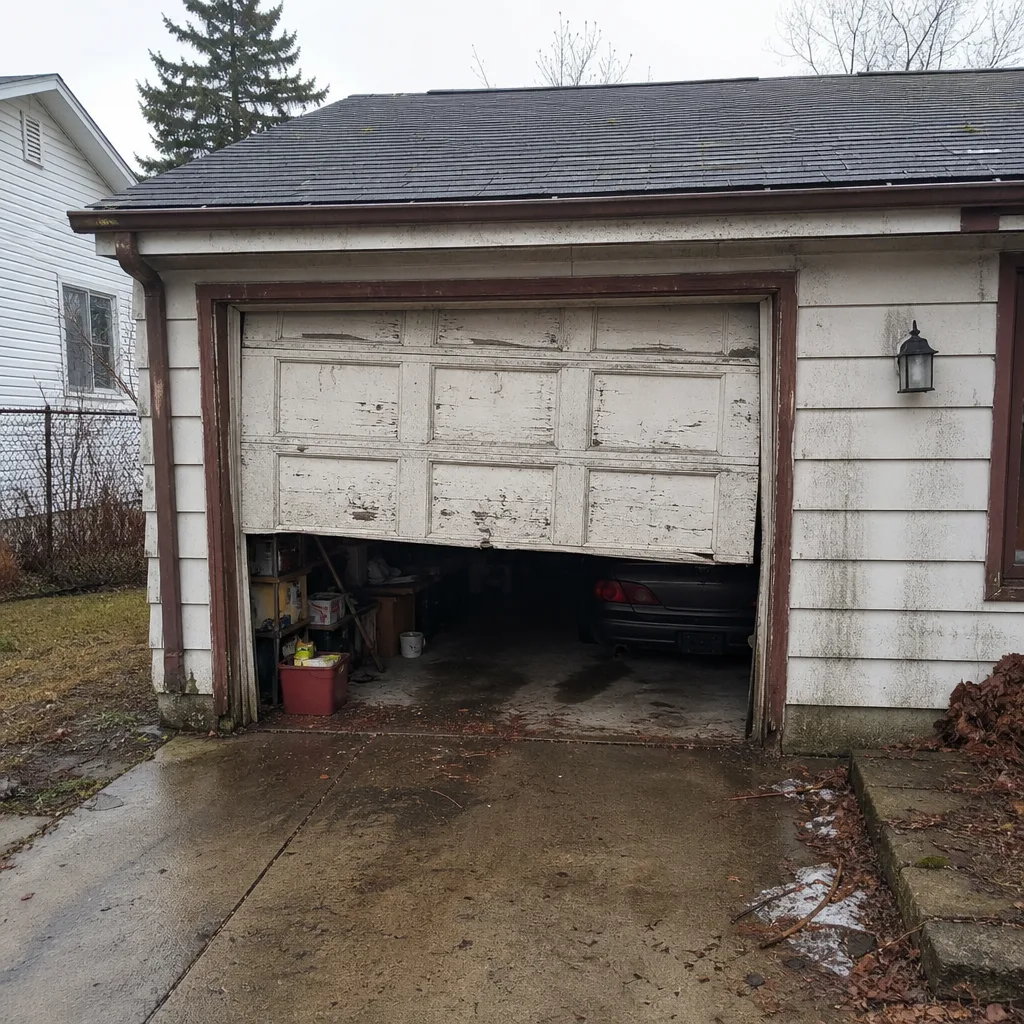
See the difference
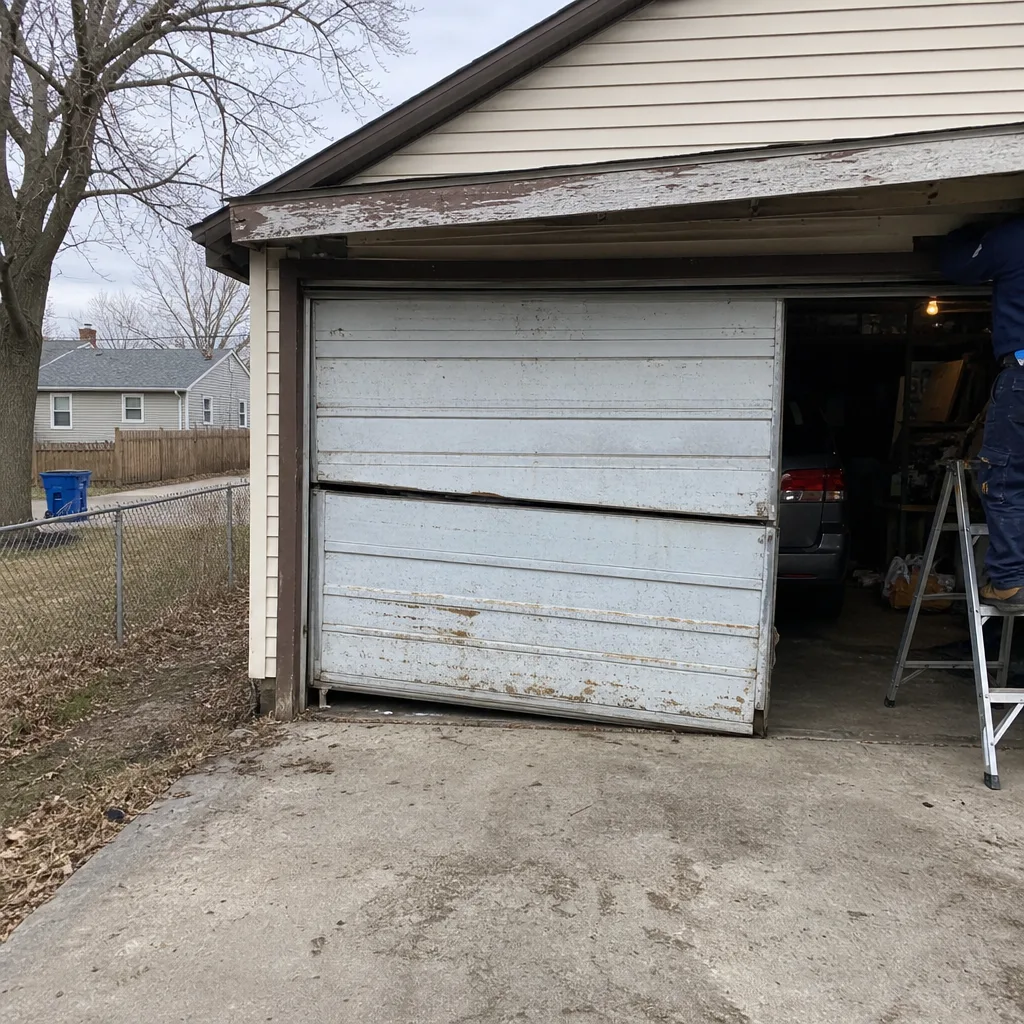 Before
 After
 Before
 After
 Before
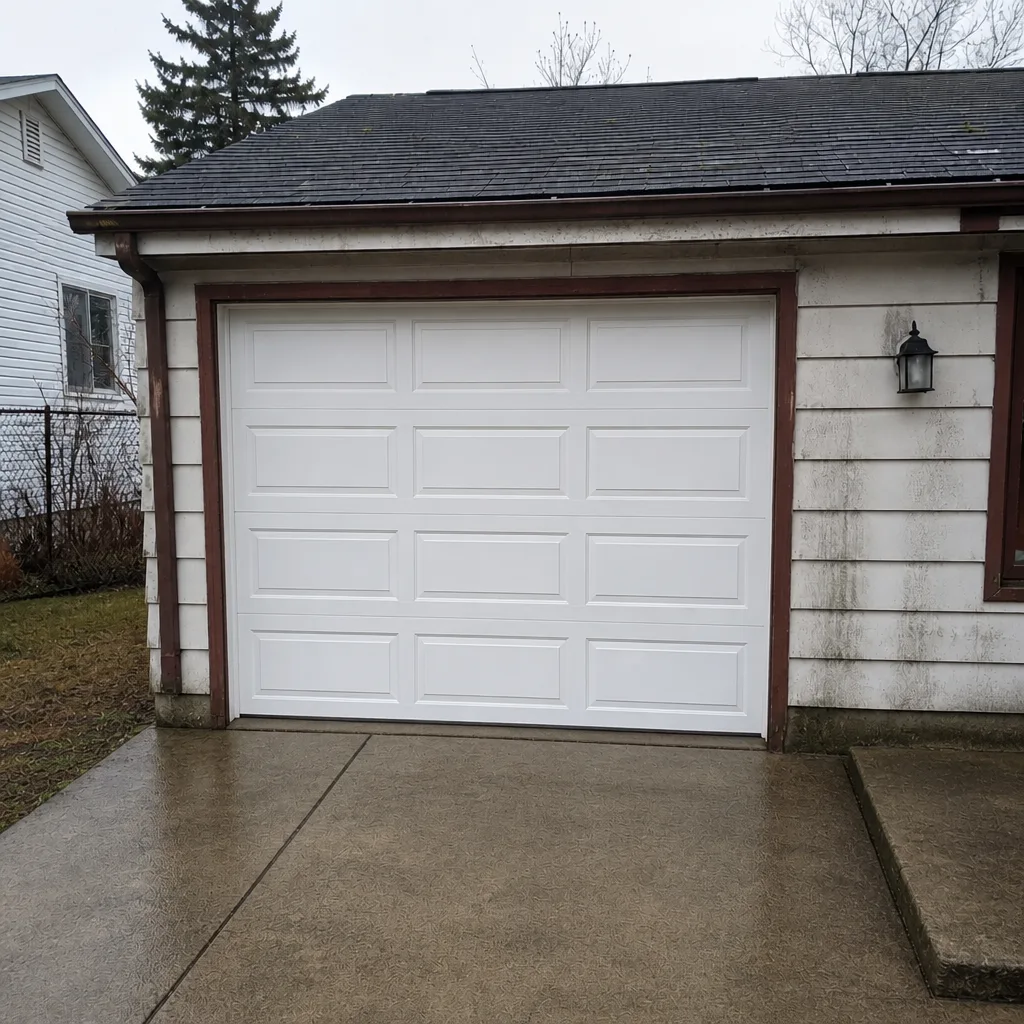 After
When to Call a Professional
Bring in a trained technician when the door is out of balance, when a spring or cable is involved, when the door is making grinding or snapping noises, or when the opener reverses unpredictably. If the door won’t open or close at all, or a panel is damaged so the door doesn’t seal, that’s a call now. Springs and cables carry dangerous tension; this is not a job to diagnose yourself. Ridgeway Garage Door Repair offers free estimates in Elgin – call (844) 320-7553. We answer 24/7. Fast dispatch from 7am to 7pm, Sunday through Friday. Our technicians have up to 11 years of experience, and the written estimate sets the price before any work starts.
Frequently Asked Questions
There’s no single best brand for Elgin – the best brand for your home is the one with strong Chicago-metro parts availability and construction that suits your climate and usage. Clopay, Amarr, Wayne Dalton, and Raynor all have solid local parts support. Call (844) 320-7553 for a free estimate and we’ll walk through which line fits your door and your use.
Builder-grade doors have a single layer of steel with no insulation core or a minimal one, thinner steel, and simpler sealing; mid-tier doors use sandwich construction with a real insulation core and tighter joints. Ask for the spec sheet – gauge, insulation type, R-value – and confirm the product line, not just the brand. If a dealer can’t produce the spec, call (844) 320-7553 for a free estimate and we’ll look at the door with you.
No – door brand and opener brand are independent choices and don’t need to match. What matters is that the opener is sized for the door’s weight and that it works with your smart-home setup (myQ on LiftMaster and Chamberlain, or a legacy Craftsman or Genie system). Call (844) 320-7553 for a free estimate before you pair a new door with an existing opener.
We service LiftMaster, Chamberlain, Genie, Clopay, Amarr, Wayne Dalton, Craftsman, and Raynor. That covers the widely installed brands across both modern and older Elgin homes, on the door side and the opener side. Call (844) 320-7553 for a free estimate.
No – repair comes first, and replacement is a last resort rather than a default. We diagnose what’s wrong, tell you what fixes it, and give you a written price before any work starts, so the decision is yours. Call (844) 320-7553 for a free estimate.
Yes, when the door’s product line is current and parts are sourceable in the Chicago metro area. That’s why we check parts availability before recommending a door – so panels can be matched years from now. Call (844) 320-7553 for a free estimate on a panel match or repair.
The Bottom Line
Choosing a garage door brand in Elgin comes down to serviceability and construction, not showroom prestige. Compare the five construction factors – steel gauge, insulation, joint sealing, bottom seal design, and finish – within and across brands, and confirm that replacement parts and matched panels are available in the Chicago metro area years from now. Match your door’s weight to a properly sized opener, including your smart-home platform. And when it comes to who does the work, a provider who services multiple brands with no favorite line beats a single-brand dealer’s recommendation every time.
Ready to talk through your door or opener? Call Ridgeway Garage Door Repair at (844) 320-7553 for a free estimate. We answer 24/7. Fast dispatch from 7am to 7pm, Sunday through Friday. The written estimate sets the price before any work starts – repair first, replace only when it makes sense. Eight brands, one number to call.
Written by the team at Ridgeway Garage Door Repair.