
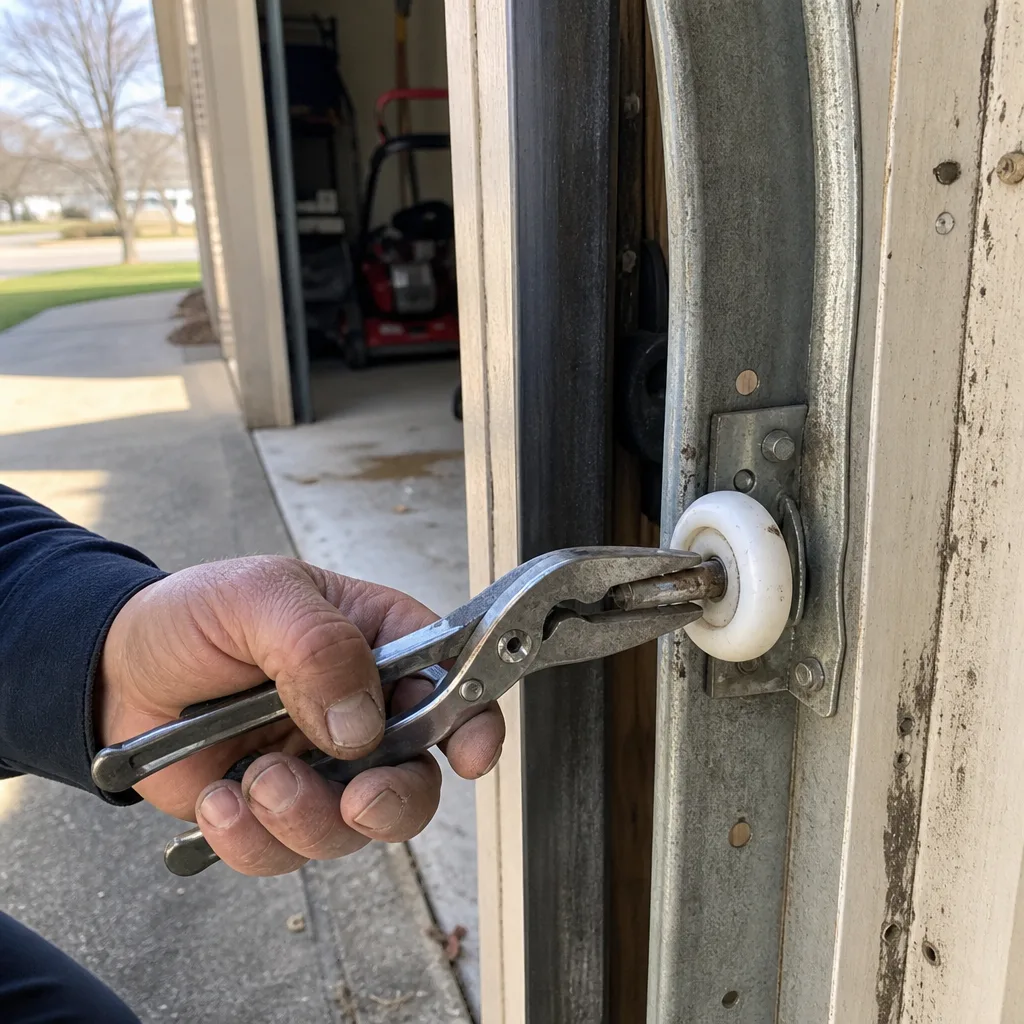
Last updated November 15, 2026
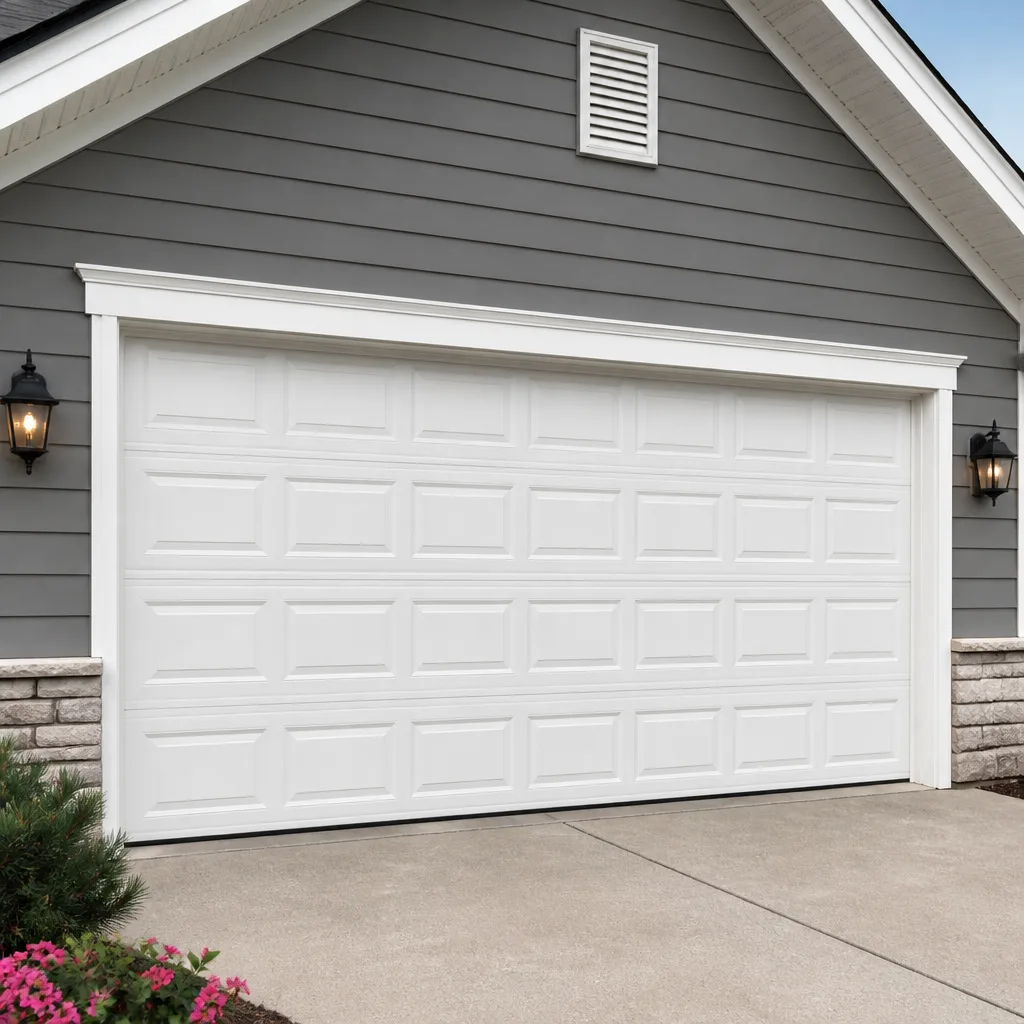 Raised-panel steel
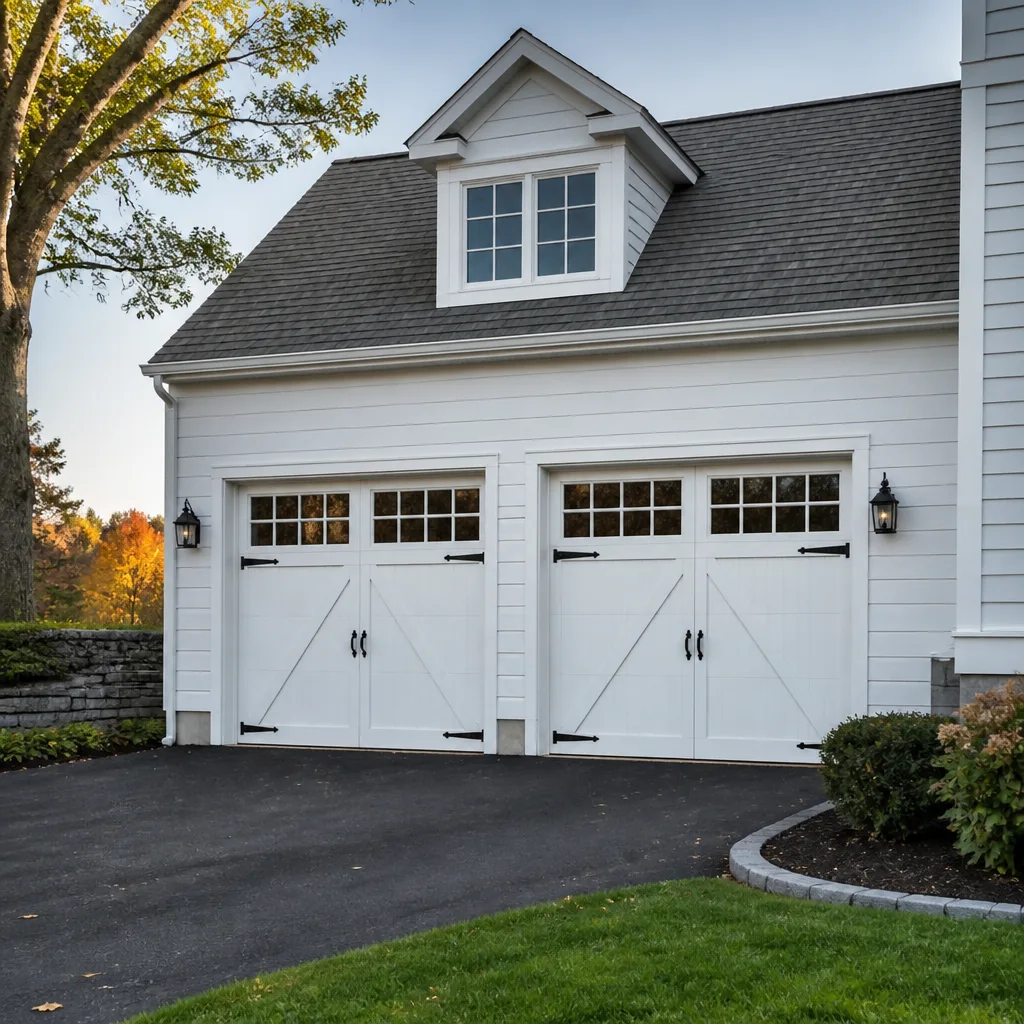 Carriage house
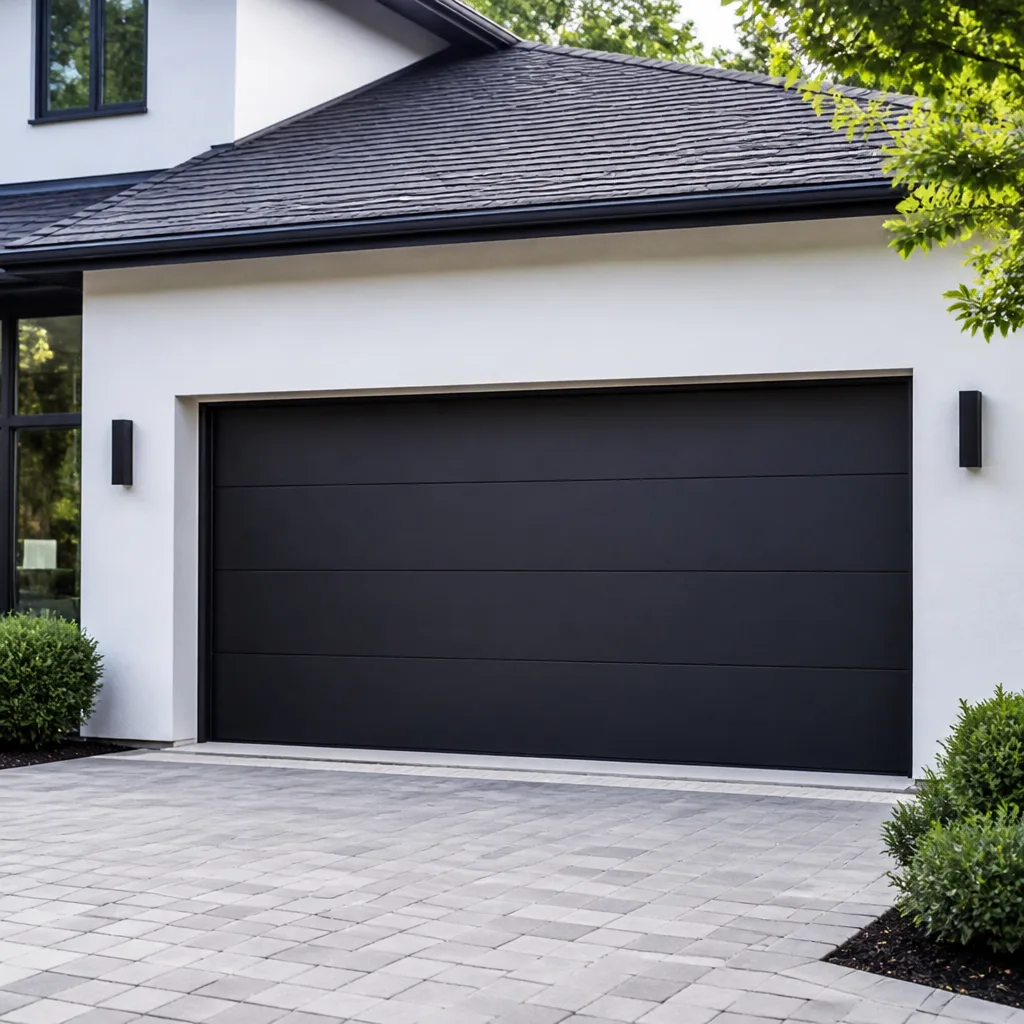 Modern flush
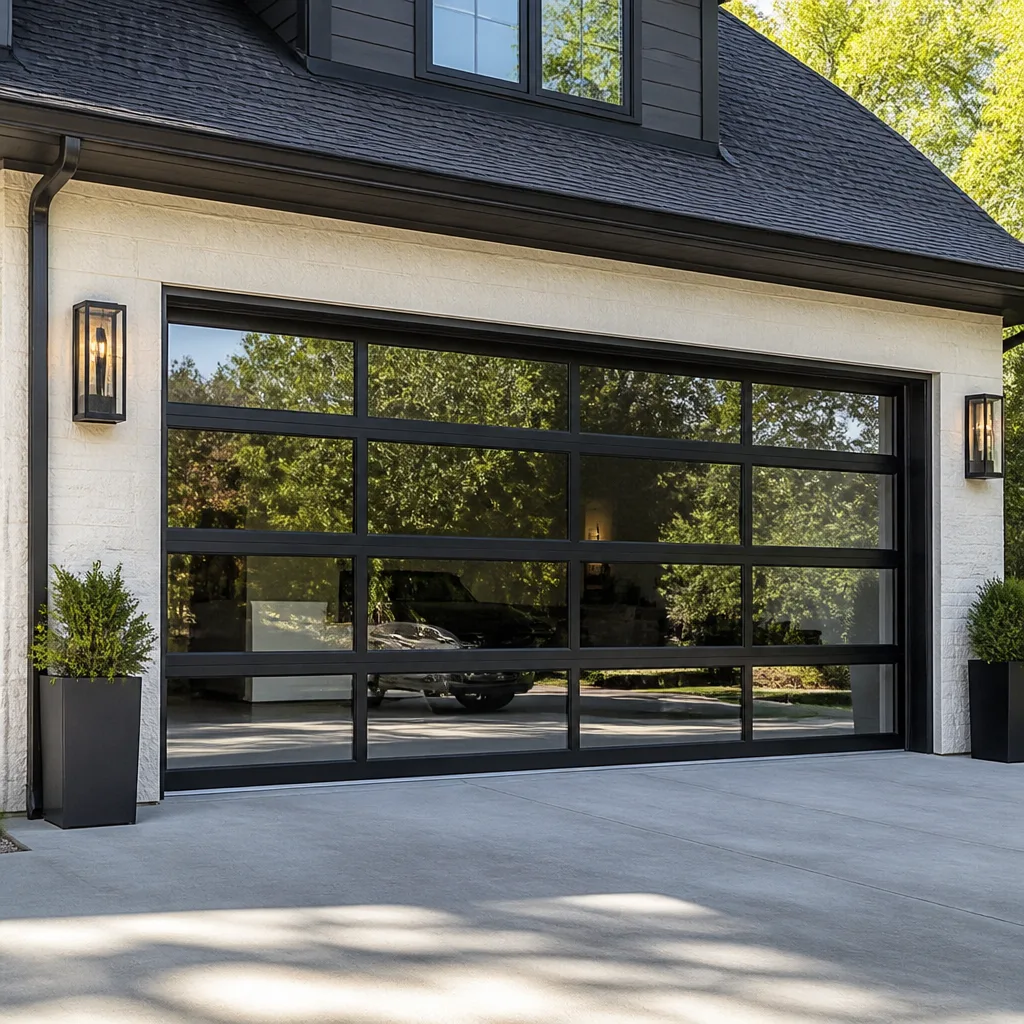 Full-view glass
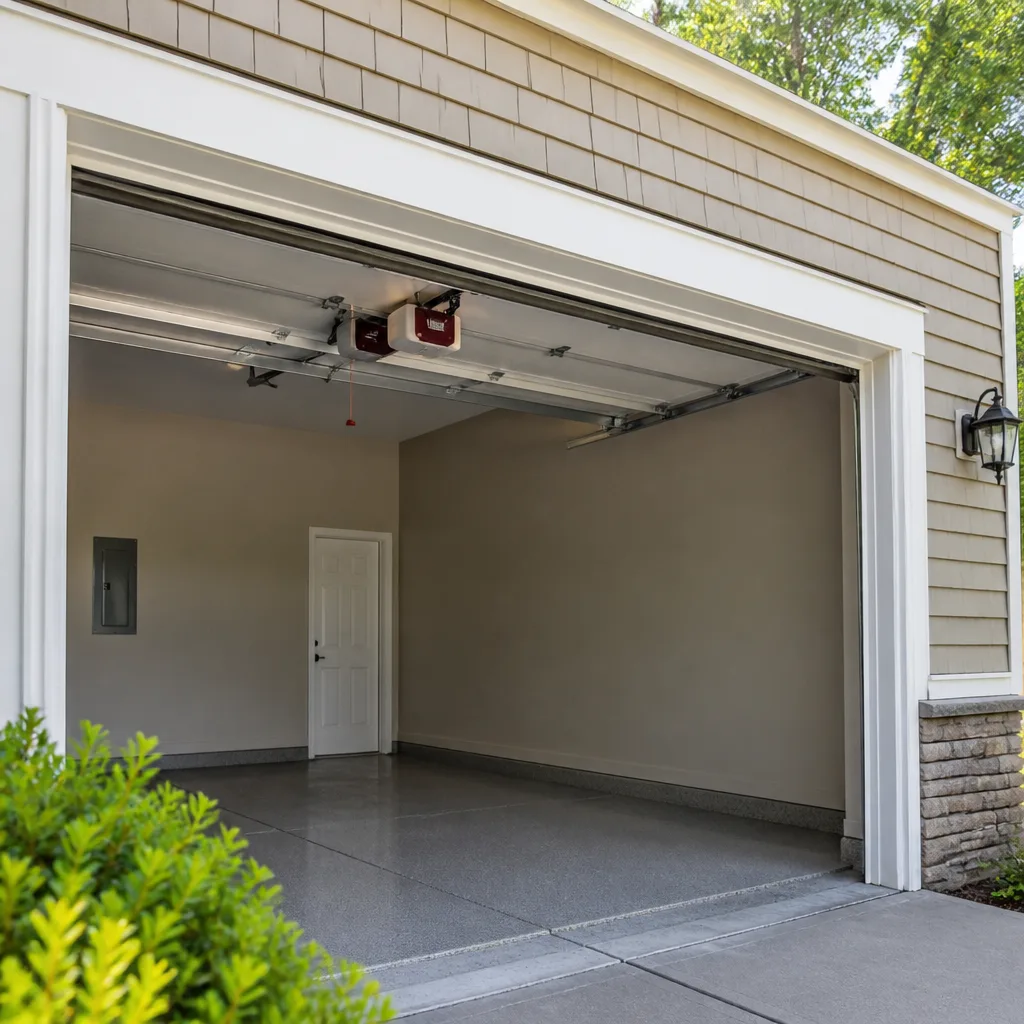 LiftMaster openers
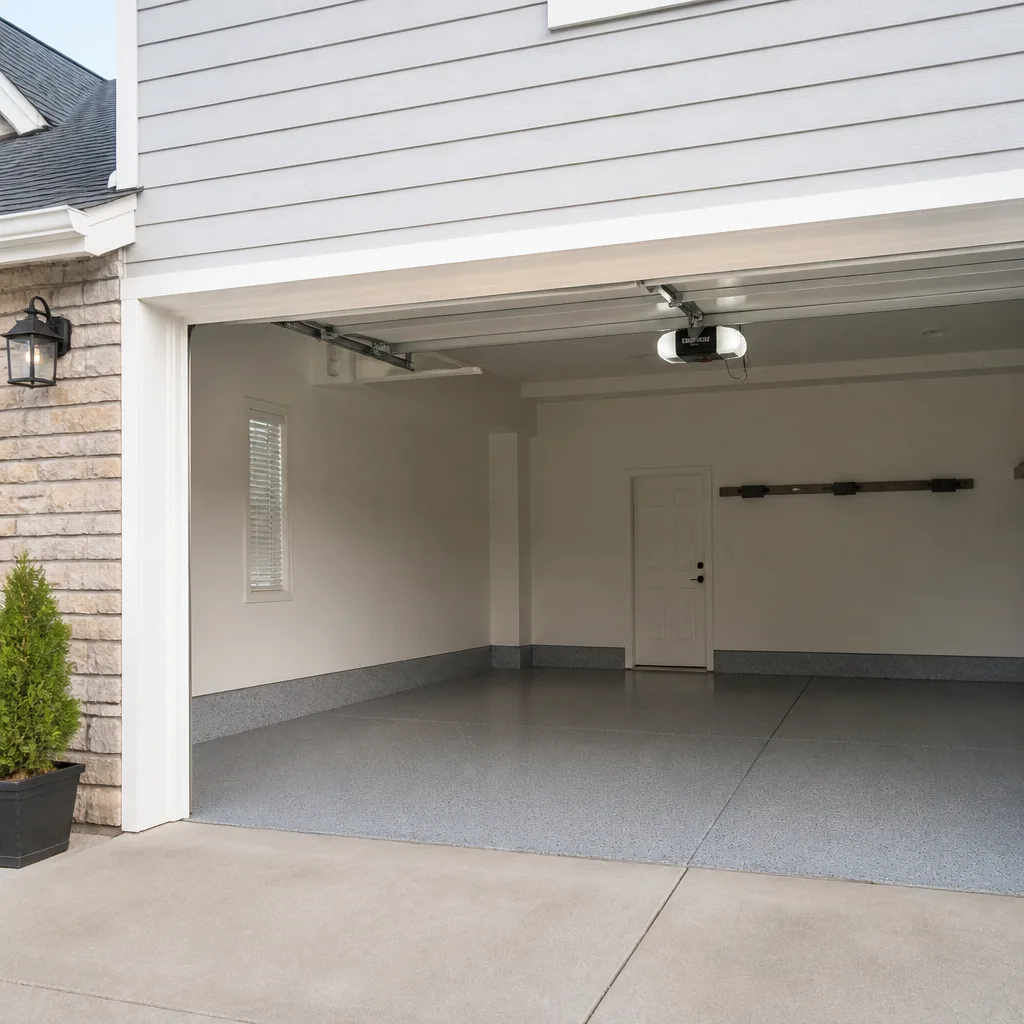 Chamberlain openers
Full 25-point door and opener safety check with every visit - springs, cables, rollers, tracks, and your LiftMaster or Chamberlain opener included
You get a price before we start. It does not change when the pro arrives.
Get your free estimateGarage Door Repair Troubleshooting in Elgin: Common Problems and How to Fix Them
A door that reverses before it hits the ground isn’t broken. Its safety sensors are doing exactly what they were built to do, and the fix usually takes minutes once you know where to look. The problem is almost never where the noise is coming from. Most Elgin homeowners chase the symptom – the grinding, the lag, the refusal to close – and end up replacing a part that wasn’t broken while the real fault sits two subsystems away. This guide teaches you to read the whole door as one connected mechanism, from springs to sensors to opener logic, so you can run a few safe checks, describe the fault accurately, and know the exact point where a trained technician should take over.
Quick Answer
Most garage door trouble in Elgin traces to one of five subsystems: springs, cables, tracks, rollers, or the opener and its safety sensors. You can safely check balance, sensor alignment, and track obstructions yourself. Spring, cable, and drum work is dangerous and belongs with a trained technician. Diagnosing by symptom rather than by noise is what keeps a repair small and the cost honest.
Key Takeaways
- The symptom points to the subsystem, not to the part making the sound.
- Two safe tests – the balance test and the force test – tell you most of what a technician needs to know.
- Cold weather in Elgin shifts spring tension and drifts sensor alignment, and that gets misread as opener failure.
- Spring and cable work carries real injury risk, so self-repair here is a false economy.
- An accurate description of the fault shortens diagnosis and lowers the bill.
Styles & brands we work with
- Raised-panel steel
- Carriage house
- Modern flush
- Full-view glass
- LiftMaster openers
- Chamberlain openers
Table of Contents
- Reading the door as a system: a symptom-to-cause map
- The two tests you can safely run before calling anyone
- Why cold Elgin winters cause spring and sensor problems, not opener failure
- The door won’t close or reverses: what it means
- Grinding, squealing, and banging: what each noise tells you
- Uneven movement and a door that binds in the tracks
- What’s safe to fix yourself and what isn’t
- How to describe the fault so diagnosis is fast and cheaper
Reading the Door as a System: A Symptom-to-Cause Map
The single most useful habit in garage door troubleshooting is to stop listening to the noise and start mapping the symptom to a subsystem. A garage door is a balance machine. Springs carry the weight, cables transfer that tension, tracks guide the panels, rollers reduce friction, and the opener supplies only the nudge to start and stop motion. When one part of that chain drifts, the symptom shows up somewhere else entirely.
Here’s how the failures map, and why. In our experience across Elgin, homeowners routinely misattribute the cause because the loudest part of the failure is rarely the guilty part.
- Door won’t open at all: usually opener logic, a tripped sensor, a dead remote battery, or a broken spring so the opener can’t lift the weight. The opener is often fine and straining against an unbalance.
- Door won’t close or reverses immediately: safety sensors, misalignment, or a force setting that’s too sensitive. The door is obeying a safety command, not failing.
- Grinding or squealing: rollers, hinges, or a dry track. Friction noise, not structural failure.
- Banging or a loud snap: a spring that has lost tension or broken. This is the one noise that usually means stop using the door.
- Moves unevenly, one side lags: a stretched or snapped cable, a bent track, or a roller off its stem. The door is racking because one side is fighting the other.
Read that list again and notice how rarely the opener is the true cause. It’s the most-replaced part and one of the least-often-broken. A Clopay steel door and a Genie opener can both be perfectly healthy while a twelve-dollar roller or a misaligned sensor takes the whole system down. That’s why garage door repair starts with diagnosis, not with a parts order.
We work on what you already have, which matters here. Elgin’s housing stock mixes older doors with legacy openers and newer builds with connected systems, and the diagnosis path differs by age. A Craftsman opener from an older installation has different force-setting behavior than a modern Chamberlain myQ unit. Knowing which you have before you touch anything saves a wasted trip.
The Two Tests You Can Safely Run Before Calling Anyone
Two tests – the balance test and the force test – are safe for any homeowner and tell a technician most of what they need before they arrive. Neither involves touching springs or cables, and neither requires tools beyond your hands. Run them in this order.
The balance test
- Close the door fully and pull the manual release cord so the door disconnects from the opener. The door should now move by hand only.
- Lift the door to about waist height, then let go.
- Watch what it does. A properly balanced door stays roughly where you left it. A door that drops on its own has weak springs. A door that springs upward has too much tension.
If the door won’t stay put, the springs are out of balance – and that’s a technician’s job, not yours. If it holds, the springs are carrying their share and the fault is elsewhere, usually the opener or sensors.
The force test
- Reconnect the door to the opener and close it.
- As it travels down, place a small object – a rolled piece of cardboard or a block of wood – under the closing edge, or press up gently on the door as it descends.
- The door should reverse on contact. If it doesn’t, or if it grinds to a stop rather than reversing, the force setting needs attention.
The force test is the safety check that catches the door that could hurt someone. If your door fails it, stop using the door and get it looked at. Run both tests, note the results, and you’ll be able to tell any technician exactly where the door stands.
One note on doing this in Elgin: run the balance test when the door has been sitting a while, not right after heavy use, and again after a cold snap. Temperature changes the reading, and a door that balanced in October may not in January. Reading it twice tells you whether the springs are drifting or stable.
Why Cold Elgin Winters Cause Spring and Sensor Problems, Not Opener Failure
Every winter we get the same pattern: a door that stopped working when the temperature dropped, and a homeowner convinced the opener died. It almost never did. Elgin winters hit garage door systems in two specific ways, and both get misdiagnosed as an opener fault.
The first is spring tension. Steel springs respond to cold by contracting and losing some of their stored energy, and the metal gets less forgiving. A spring that was marginally tensioned in fall can be noticeably weak by the first hard freeze. The door suddenly feels heavy, travels slowly, or the opener strains to lift it. That’s a balance problem, not an opener problem, and replacing the opener won’t fix it. The springs need adjustment or replacement.
The second is sensor drift. Cold affects the mounting of the safety sensors at the base of the tracks, and the housing can shift a fraction as materials contract. The sensors lose their line-of-sight alignment with each other, and the door refuses to close. Homeowners see the door reverse and assume the opener is broken. It’s usually a two-minute sensor realignment.
There’s a third, smaller winter effect worth knowing: lubrication thickens in the cold, so rollers and hinges that ran smoothly in summer drag. That’s the grinding you hear on the first cold morning of the year, and it’s a friction issue solved by proper lubrication, not a part swap.
So when the door acts up in January, resist the instinct to blame the opener. Here’s the quick winter checklist in order:
- Check that the safety sensors are aligned and the lenses are clean of frost and road grime.
- Run the balance test with the door disconnected. If it drops, the springs are the issue.
- Listen for grinding on the way up and down; that’s friction, not failure.
- Only after these three does the opener become the suspect.
A modern Chamberlain or LiftMaster system with myQ is smart enough to report force faults, but it still can’t tell you whether the fault is the opener or the spring it’s lifting. That read comes from the door, not the app. For the opener side specifically, our garage door opener repair page covers what the unit itself can and can’t tell you.
The Door Won’t Close or Reverses: What It Means
A door that reverses before it reaches the floor is obeying a safety command from its sensors – this is the single most common “breakdown” call we get, and it’s almost always a sensor issue. The door is working. Its photo-eye safety system has detected something in the path or lost its alignment, and it’s refusing to close because a closing door that can’t see the floor is dangerous.
Here’s the likely cause list, in order of frequency:
- Sensor misalignment: the two lenses at the base of the tracks are pointed slightly off from each other. This is the number one cause, and it’s often nudged by a broom, a car bumper, or a ball.
- Dirty or frosted lenses: winter grime and condensation block the beam.
- Something in the path: a stored box, a child’s toy, a garage floor that’s settled unevenly.
- Loose sensor wiring: the low-voltage wire has worked loose at the terminal.
- Force setting too sensitive: the opener thinks the door is hitting an obstruction when it isn’t.
- Sunlight on the lens: low winter sun at certain angles can blind a sensor.
- Track or roller drift: the door is binding on one side, and the opener reads the resistance as an obstruction.
Most of these you can check without tools. Look at both sensors: most have a small indicator light that should be steady. If one is flickering or dark, alignment or wiring is the fault. Clean the lenses with a soft cloth, nudge the sensor housings back toward each other until the lights hold steady, and try the door again.
If the sensors check out and the door still reverses, the resistance is real – a binding roller, a bent track, or a force setting that needs adjustment. That’s the point where the fault has moved out of the sensor system and into the mechanical side. Don’t keep cycling the door; the opener is being told to push against something, and repeated strain accelerates wear on the unit itself. For Elgin homes with a door that reverses on one side only, the cause is almost always a roller or track rather than the sensor.
Grinding, Squealing, and Banging: What Each Noise Tells You
The noise a door makes is a symptom that points straight at a subsystem – if you know how to read it. Squealing, grinding, and banging mean very different things, and they carry very different urgency. Matching the noise to the cause is what stops you replacing a part that’s fine.
- Squealing or high-pitched whine: metal-on-metal friction, usually dry rollers, hinges, or track. It’s the door asking for lubrication, and it’s the easiest fix in this guide. A dry track on a cold morning is the most common squeal we see.
- Grinding or a rough, gravelly sound: rollers that are past their life, a bearing wearing, or debris in the track. Grinding that grows worse over weeks is wear; grinding that appears suddenly is usually an obstruction or a failed bearing.
- Rattling: loose hardware – hinge bolts, track brackets, or panel screws. Annoying but rarely urgent, and easy to tighten.
- Popping or a sharp snap: a spring losing tension or breaking. Sudden and loud. Stop using the door and get it looked at.
- Banging or a loud thud on closing: a door hitting the floor too hard, a force setting that’s too high, or a travel limit that needs adjustment.
The order of the list roughly tracks urgency. Squealing and rattling are maintenance. Grinding is wear that you can fix before it spreads. Popping and banging are the two that mean pick up the phone now.
What connects them is friction and balance. A door making any of these noises is telling you that one part of its balance machine is working against the others. Lubricating the rollers and hinges with a proper garage-door lubricant – not everyday household oil, which attracts grit – quiets the friction sounds and lets you hear whether anything structural is left. If the noise returns within a couple of weeks, or the door starts moving unevenly, the cause is mechanical and needs a proper look.
Every closure is a soft, controlled landing, not a slam, when the force and travel limits are set right. If your door bangs, that’s an adjustment, and it protects both the door and the opener.
Uneven Movement and a Door That Binds in the Tracks
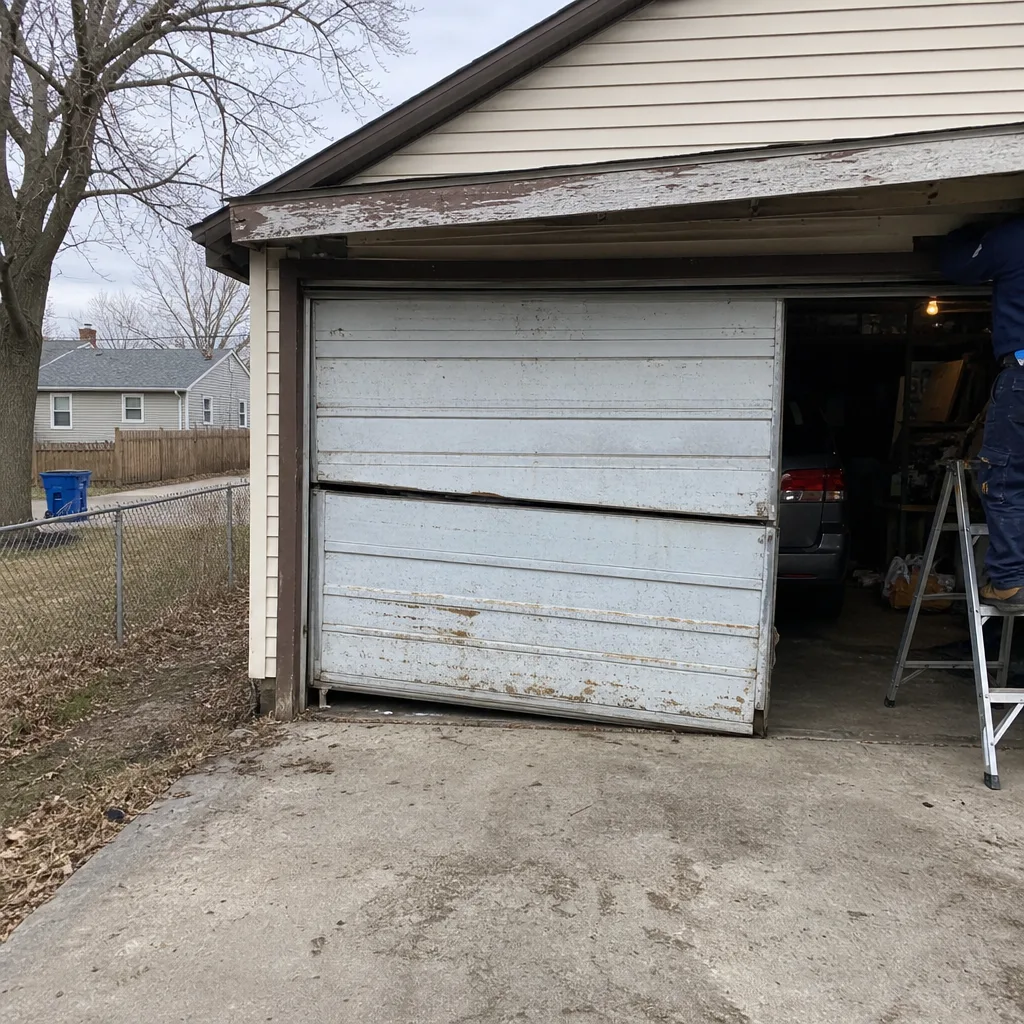
A door that rises crooked, or where one side visibly lags, is racking – and because it distributes its own weight unequally, it can be the most dangerous failure in the whole system. When one side moves faster than the other, the panels twist against each other. Left alone, that twist can pull a panel out of its hinge, and a door that binds can jam mid-travel. If your door does this, stop cycling it and get it checked.
The causes, in rough order of likelihood:
- A stretched or snapped cable: cables transfer the spring tension to each side of the door. When one goes, that side goes slack and the door lags. This is common in older doors and cold weather accelerates cable fatigue.
- A bent or misaligned track: a track bumped by a car, a ladder, or a fall will pull the door off line on one side.
- A roller off its stem or a broken roller: the door loses a contact point and drops or tilts as it travels.
- Uneven spring tension: both springs working, but one stronger than the other.
- Floor settling: a garage floor that’s shifted so the door lands unevenly at the bottom.
Here’s what makes racking different from the other failures on this page: the track and roller problems you can see, but the cable and spring problems you shouldn’t touch. A cable under tension is stored energy, and when it lets go, it lets go violently. A technician reading an uneven door first checks balance, then cable condition, then track alignment – in that order, because each test rules out a cause before the door moves again. If you want to help the diagnosis along, note which side lags, whether it’s on the way up, the way down, or both, and whether the door is louder on that side.
On a Clopay or Amarr door, panel geometry matters here too. A panel that’s slightly twisted or a door that’s had a panel replacement may bind in the tracks long after the work was done because the panel isn’t sitting square. Matching a new panel to the door brand keeps the geometry true, which is why brand familiarity matters on the repair.
What’s Safe to Fix Yourself and What Isn’t
About a third of the troubleshooting on this page is genuinely safe to handle yourself. The rest carries injury risk that makes self-repair a false economy, even if the part seems cheap. The line runs between anything that stores tension and anything that doesn’t.
Safe to do yourself
- Cleaning and realigning the safety sensors.
- Cleaning the tracks and clearing obstructions.
- Lubricating rollers, hinges, and the track with a garage-door lubricant.
- Tightening loose hinge and bracket bolts.
- Replacing a remote battery and resetting travel limits where the opener manual covers it.
- Running the balance and force tests.
Leave to a technician
- Spring repair and replacement. Springs are under high tension and store enough energy to cause serious injury if they release wrong. This is the single most dangerous job in the trade, and a spring that lets go can send tool and hardware across the garage.
- Cable and drum work. Cables carry the same tension as springs, and unwinding a drum wrong is a common cause of hand and arm injury.
- Releasing and tensioning the door. Reconnecting a door after balance work requires setting tension to spec.
- Track replacement or realignment. Not because the track is dangerous, but because getting the alignment right requires the door balanced first, and doing it in the wrong order undoes the repair.
To be clear on the springs specifically: this not a job where a careful homeowner with the right tools can safely do the work. The stored energy in a wound torsion spring is enough to break bone, and the tension needs setting and testing by someone who knows the door’s weight and spring specs. That’s the safety line, and it’s why a spring feel that’s off is a call, not a DIY project.
When the failure is a spring or a cable, the “cheaper” path of doing it yourself can cost far more in injury. That’s the false economy. When it’s a sensor, a roller, or a track obstruction, handling it yourself is sensible and we’d be the first to say so. For everything in between, the free estimate settles it: we can tell you whether it’s a two-minute fix or a job that needs hands you shouldn’t put near a spring.
How to Describe the Fault So Diagnosis Is Fast and Cheaper
An accurate description of the fault is the cheapest thing you can do for your repair bill. A technician who arrives already knowing the symptom, the subsystem it points to, and the door and opener brand spends the visit fixing rather than diagnosing. Time on-site pays for itself in a faster, more accurate quote.
When you call, give the technician these five things in order:
- What the door does, not what you think is broken. “It reverses about a foot off the floor” tells a technician more than “the opener is broken”.
- When it happens – on opening, on closing, or both.
- What changed recently – a cold snap, a new panel, a car that bumped the track, a move that stacked boxes near the sensors.
- What noise it makes, if any.
- The door and opener brand if you know it – Clopay, Amarr, Chamberlain, Genie, and the others all diagnose differently, and naming the brand helps us arrive prepared.
The balance and force test results are the sixth thing, and they’re the most valuable. “It dropped when I let go during the balance test” is a sentence that rules out the opener in one line. Describe your Elgin home the same way: whether it’s an older detached garage or a newer attached one changes how the door sits and how cold reaches it. The more precise the description, the fewer parts get ordered and the more likely the repair is right the first time.
Common Mistakes to Avoid
- Replacing the opener when the springs are the problem. A straining opener is usually hauling a door the balance test shows is too heavy. Fix the balance first and the opener often needs nothing.
- Assuming reverse means “broken”. A reversing door is a sensor doing its job. Check alignment before you call, and you may save the visit.
- Using everyday household oil on the tracks and rollers. It attracts grit and grinds the mechanism. Use a garage-door lubricant that won’t gum up in cold weather.
- Forcing a binding door through its cycle. Racking on one side means the door is fighting itself. Cycling it repeatedly can damage panels and hinges.
- Skipping the balance test before any repair quote. The test takes two minutes and rules out the most expensive cause before anyone touches a part.
- Ignoring a loud snap or bang. That’s a spring, and the door should be disconnected and left alone until a technician sees it, not run a few more times “to see if it recovers”.
- Describing the noise instead of the symptom when you call. “It’s grinding” points at friction; “it won’t close, it reverses” points at sensors. The symptom drives the diagnosis, and the diagnosis drives the price.
See the difference
 Before
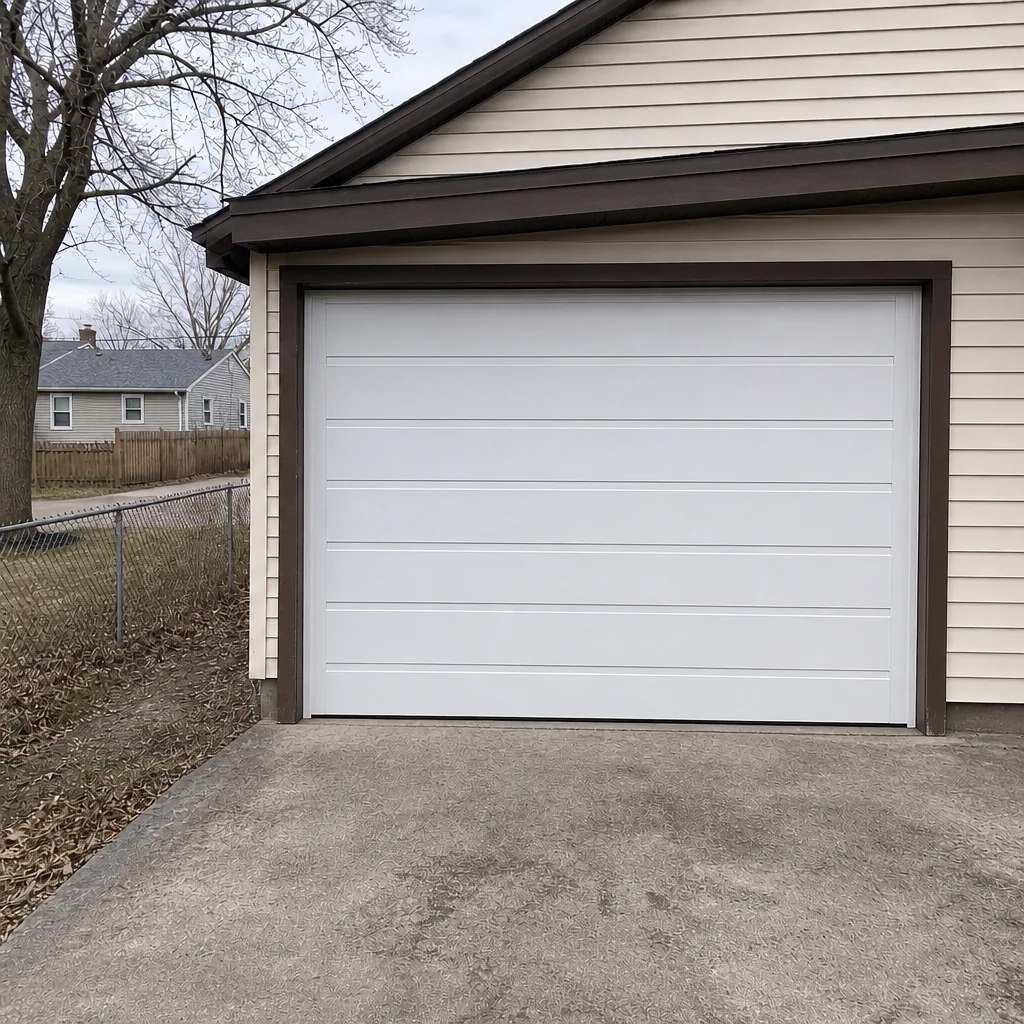 After
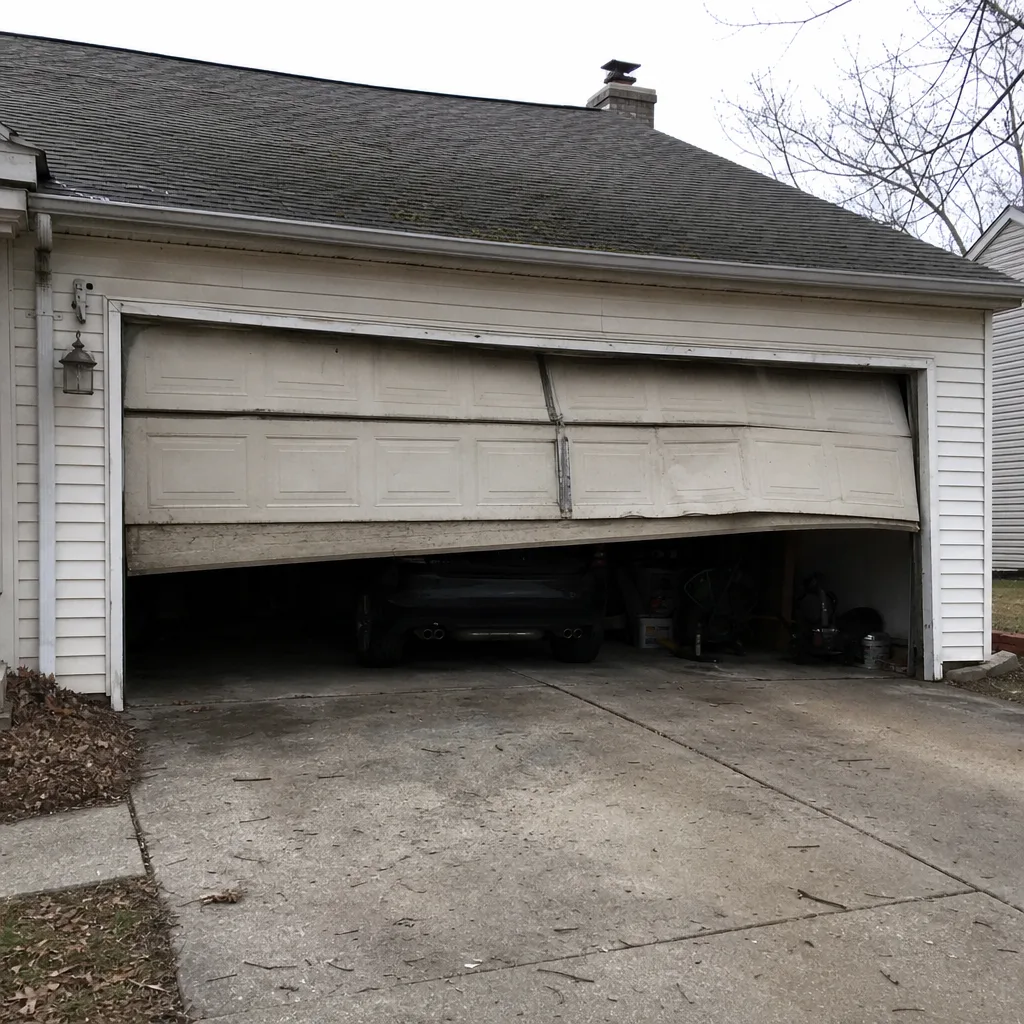 Before
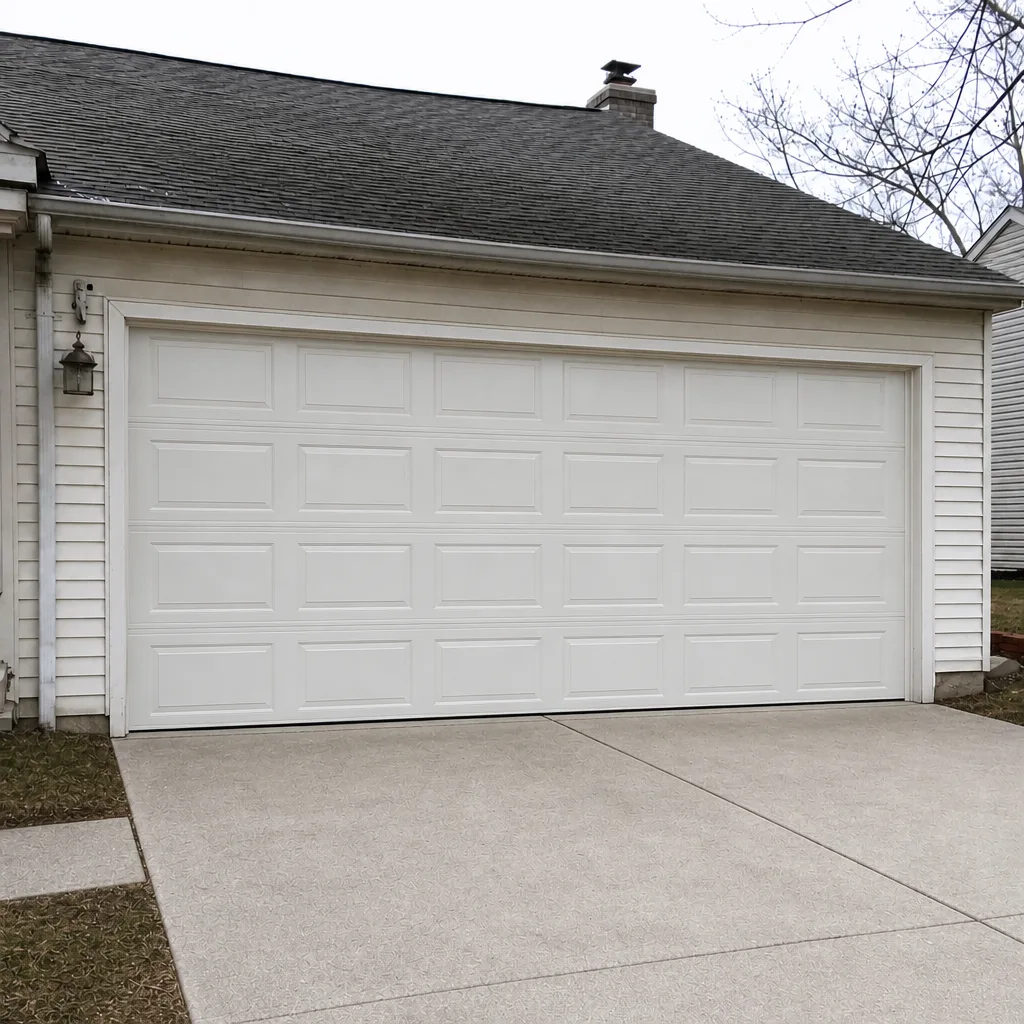 After
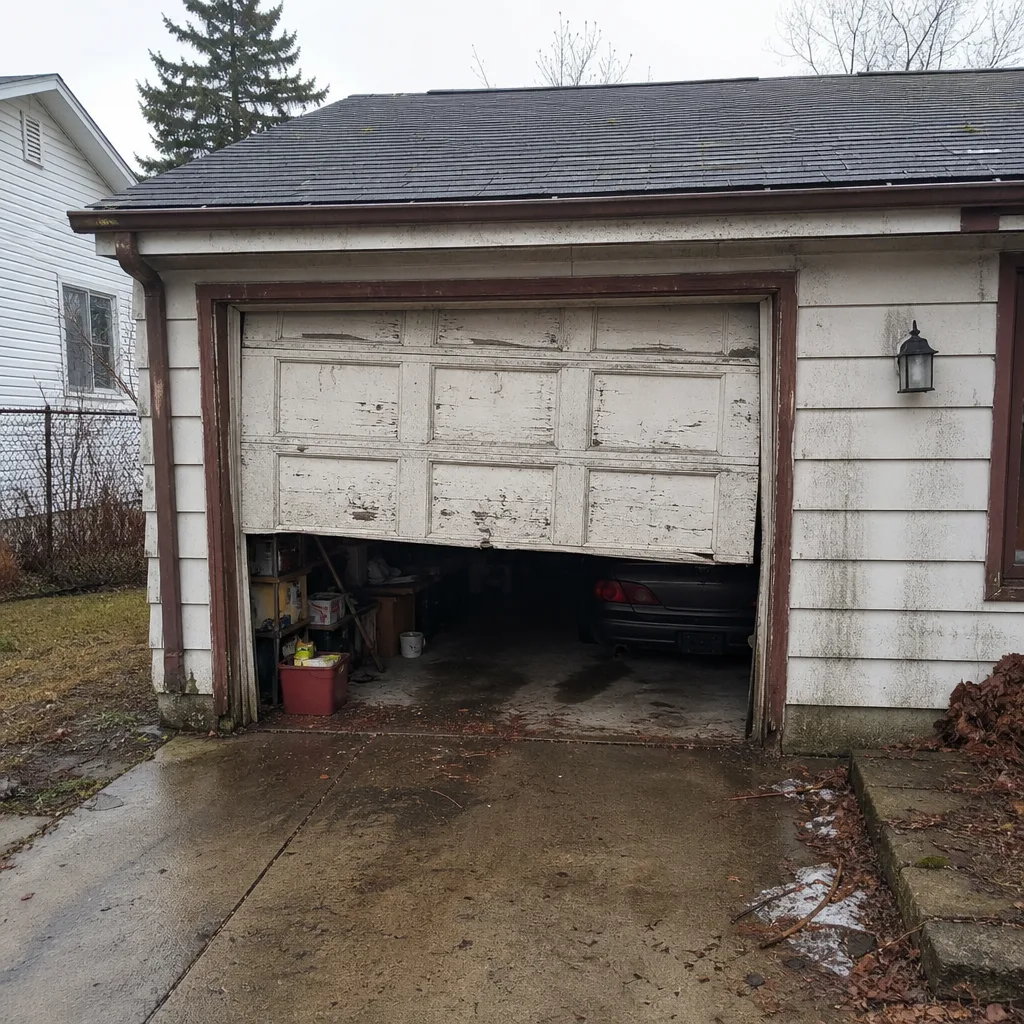 Before
 After
When to Call a Professional
Call a professional immediately if the balance test shows the door drops on its own, if you hear a snap or bang and the door loses tension, if the door moves unevenly with one side lagging, or if a cable looks slack or frayed. Any of these means a part under stored tension has failed, and the safe move is to disconnect the door from the opener and leave it. Also call if the door reverses with the sensors clean and aligned, if it binds in the tracks, or if the opener is straining on every travel. Each of these has moved from a maintenance check to a repair that needs the door’s balance and geometry set correctly.
Ridgeway Garage Door Repair offers free estimates in Elgin. We work on what you already have across eight of the most installed door and opener brands – LiftMaster, Chamberlain, Genie, Clopay, Amarr, Wayne Dalton, Craftsman, and Raynor – and our technicians have up to 11 years of experience reading a door by symptom. Ridgeway Garage Door Repair handles repair, opener repair, and new installation as one company, so you don’t source a second contractor halfway through. Call (844) 320-7553. We answer 24/7. Fast dispatch from 7am to 7pm.
Frequently Asked Questions
Because its safety sensors have detected something in the path or lost their alignment with each other. This is the most common “breakdown” call we get in Elgin, and it’s almost always a sensor issue rather than a broken door. Check that both sensor lenses at the base of the tracks are aligned, clean, and showing a steady indicator light. If they check out and the door still reverses, the resistance is mechanical and needs a look. Call (844) 320-7553 for an exact quote – estimates are free.
No. A torsion spring stores enough energy to cause serious injury if it releases wrong, and setting the tension requires knowing the door’s weight and spring specs. A spring that lets go can send tool and hardware across the garage. This is one repair where self-repair is a false economy. Leave springs and cable drums to a trained technician and have the rest of the door checked at the same visit. Call (844) 320-7553. We answer 24/7. Fast dispatch from 7am to 7pm.
Because cold shifts spring tension and drifts sensor alignment – two failures that get misread as opener trouble. Steel springs lose stored energy as the temperature drops, so a door that balanced fine in autumn feels heavy by the first freeze. Sensor housings shift a fraction as materials contract, and the beam loses its line. Lubrication also thickens, which is the grinding you hear on a cold morning. Check sensors first, then balance, then friction, and blame the opener last. Call (844) 320-7553 for an exact quote – estimates are free.
Run the balance test: disconnect the door from the opener, lift it to waist height, and let go. If the door stays roughly where you left it, the springs are fine and the fault is in the opener or sensors. If it drops on its own, the springs are weak and the opener is just straining against a door it can no longer lift. That one test separates the two failures before any part is touched. Call (844) 320-7553. We answer 24/7. Fast dispatch from 7am to 7pm.
Yes, same-day service is available for many repairs, and we dispatch Sunday through Friday, 7am to 7pm. We’re closed Saturday, but if you call on a Saturday the phone is answered and we book you into the next opening on Sunday. Same-day work costs no more than any other day – the price is per job, set by the written estimate. Call (844) 320-7553. We answer 24/7. Fast dispatch from 7am to 7pm.
No. The written estimate is the price, and we agree it with you before any work starts. We don’t bill by the hour or add a diagnostic fee, so the number you sign off on is the number you pay. If the technician finds a second problem mid-job, they’ll show you and quote it before touching it, and you’re free to say no. Call (844) 320-7553 for an exact quote – estimates are free.
The Bottom Line
Troubleshooting a garage door well means reading it as a system, not chasing the symptom. The noise, the lag, the refusal to close – each points at a subsystem, and the most-replaced part is usually the least-broken one. Run the balance test and the force test, check your sensors before you call, and describe what the door does rather than the sound it makes. Know the line between what’s safe to fix yourself and what carries injury risk, because that line runs straight through every part under tension. For the rest, a fast diagnosis is the whole game, and it’s what Ridgeway Garage Door Repair is built for. Visit our garage door repair page to see how we read a door in Elgin, or call (844) 320-7553. We answer 24/7. Fast dispatch from 7am to 7pm, and the price is quoted and agreed before any work starts.
Written by the team at Ridgeway Garage Door Repair.