
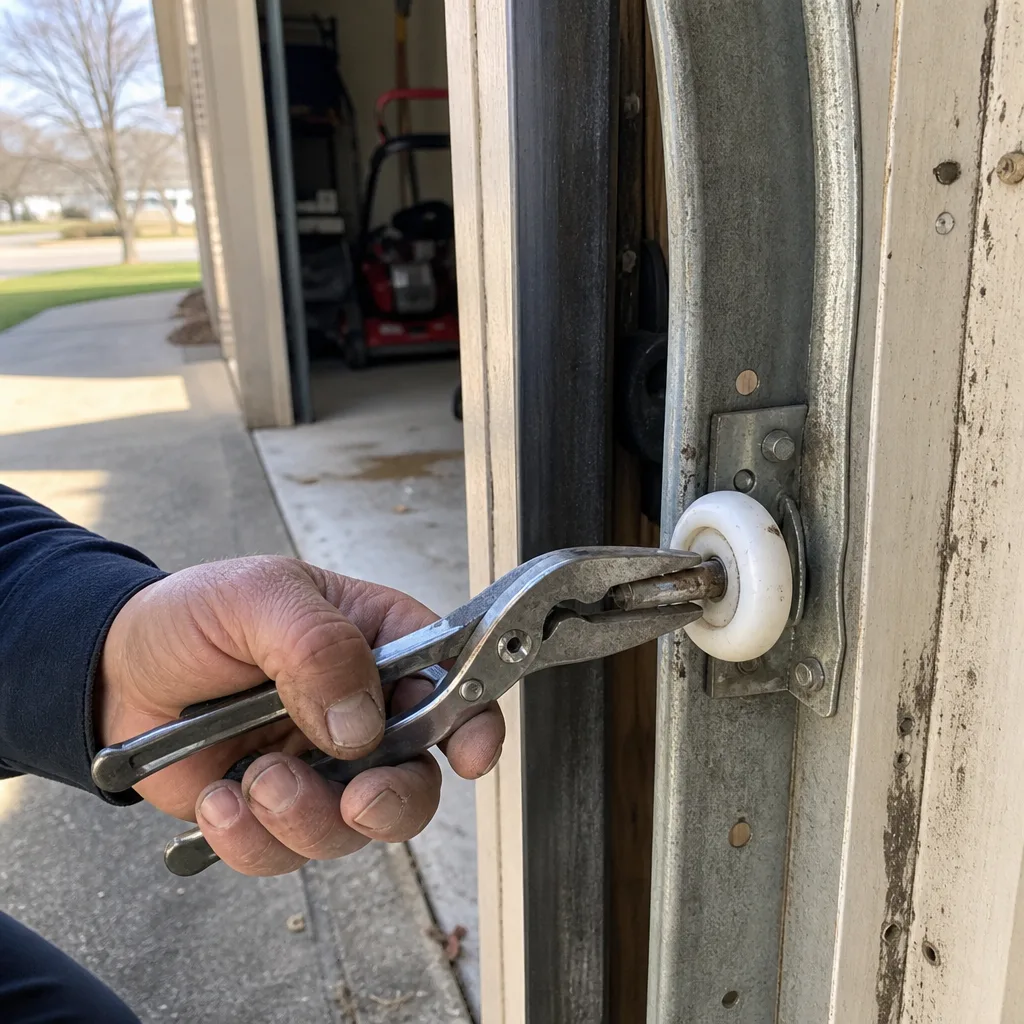
Last updated November 15, 2026
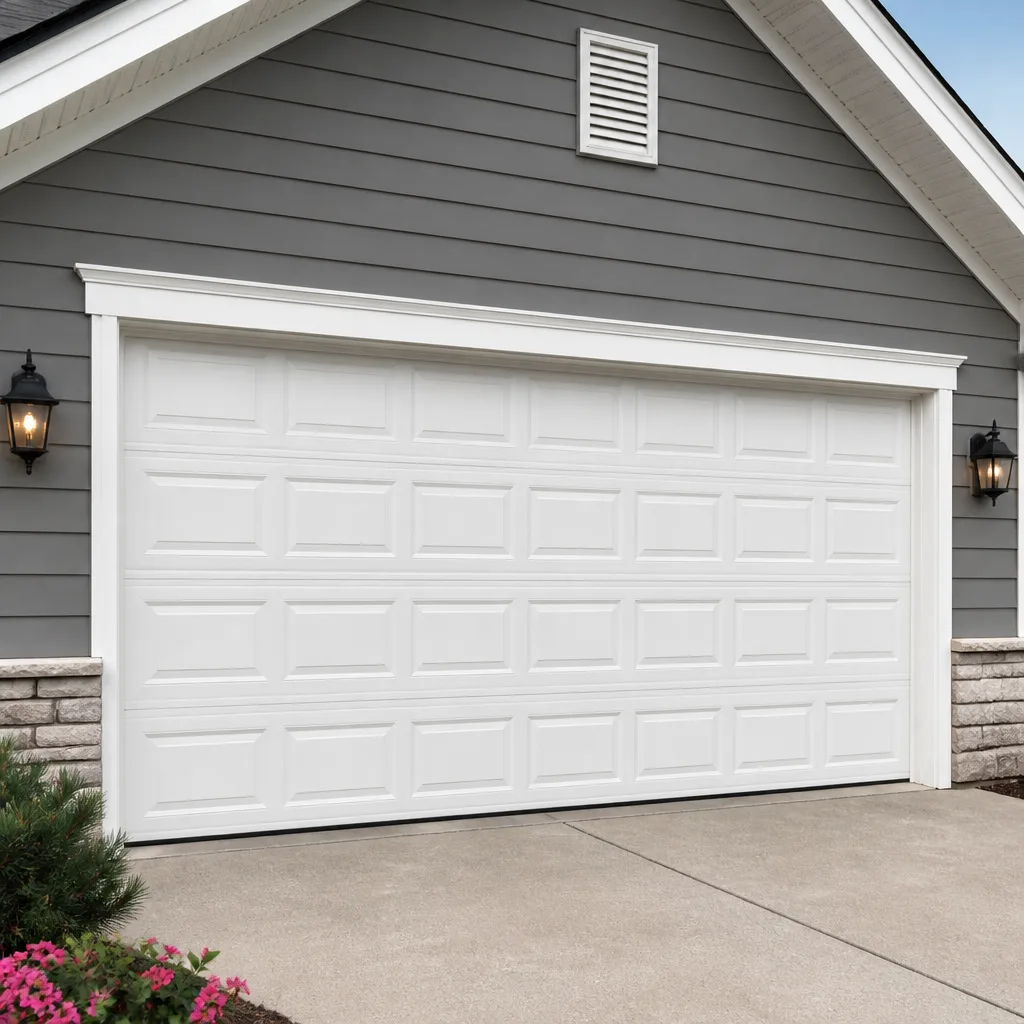 Raised-panel steel
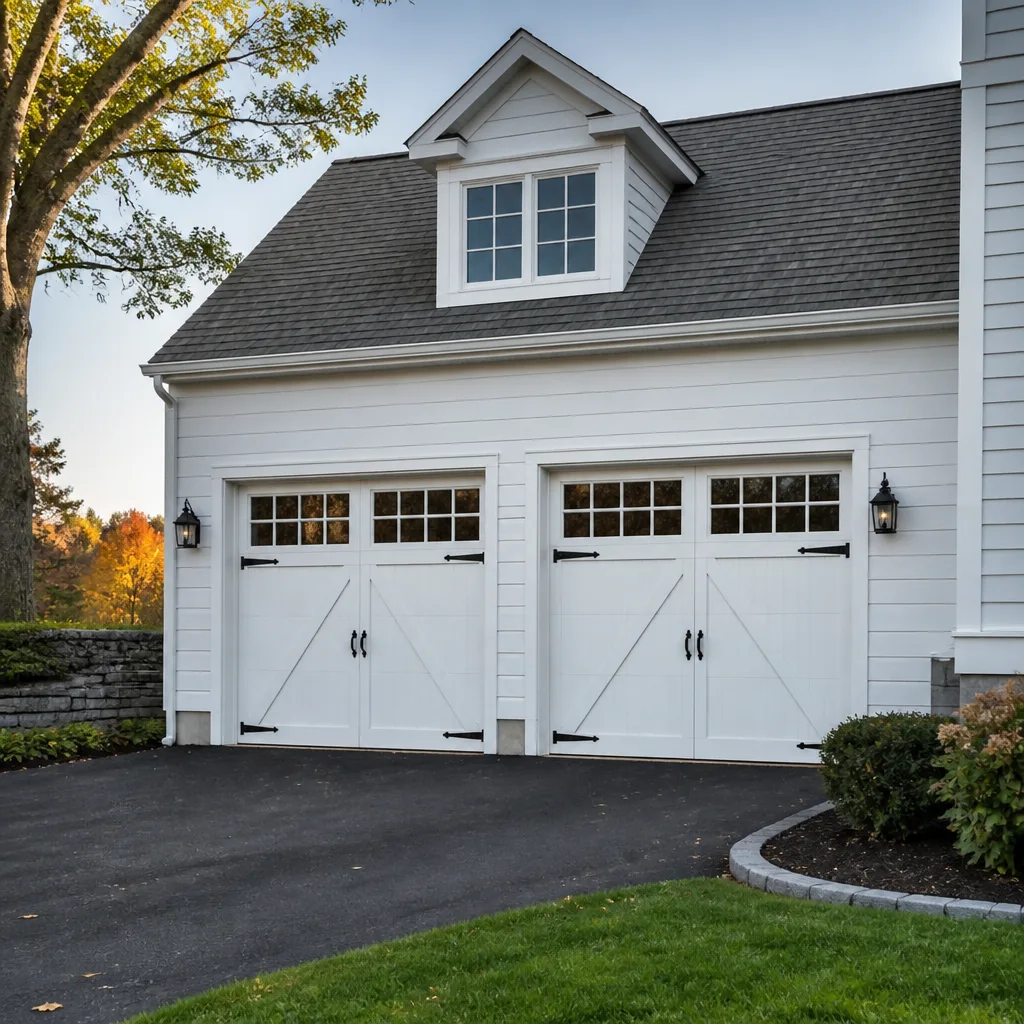 Carriage house
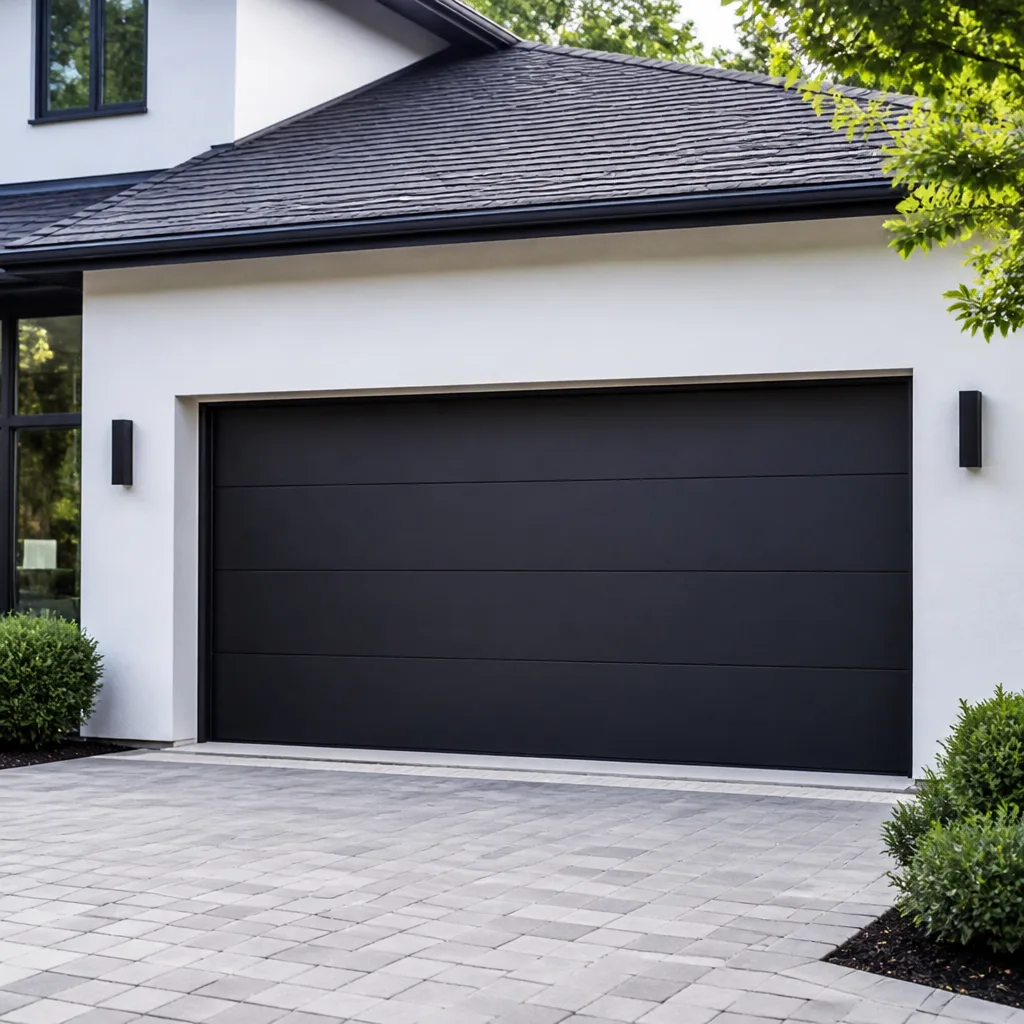 Modern flush
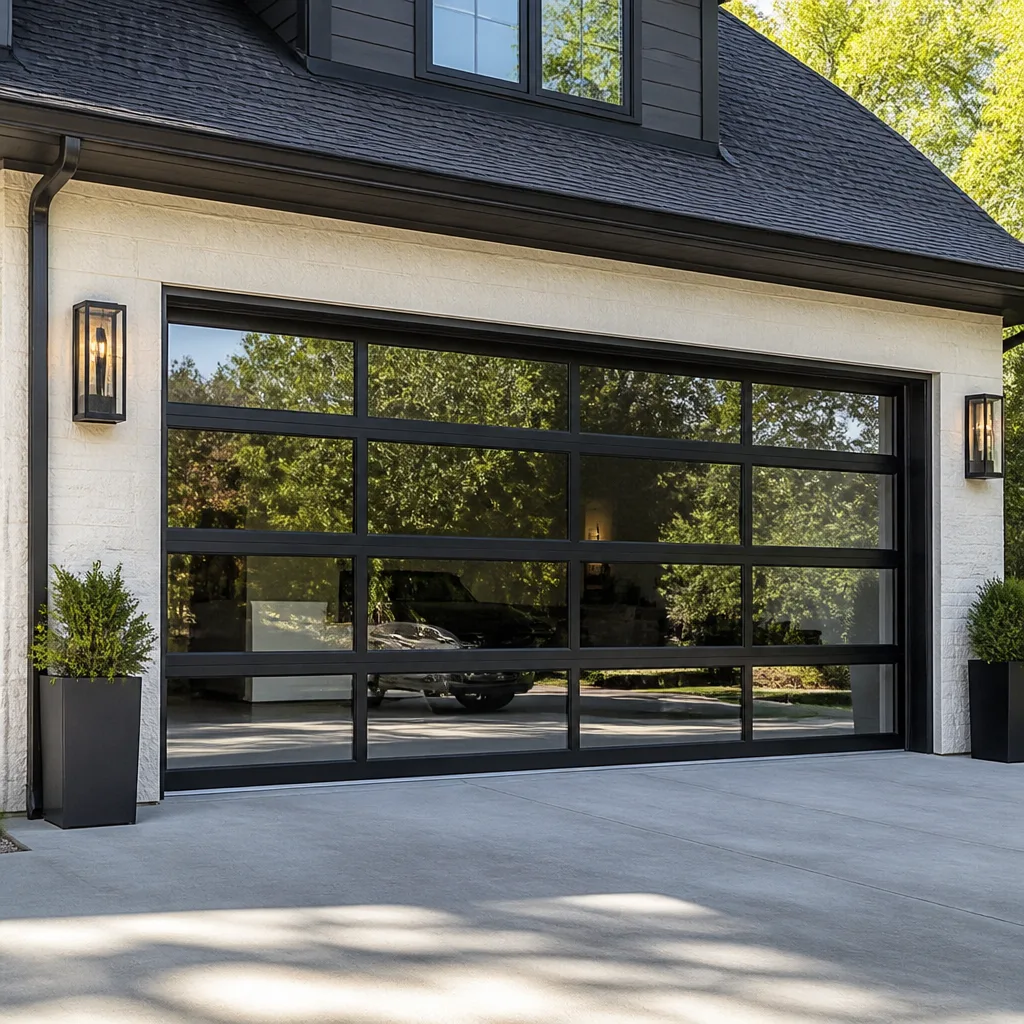 Full-view glass
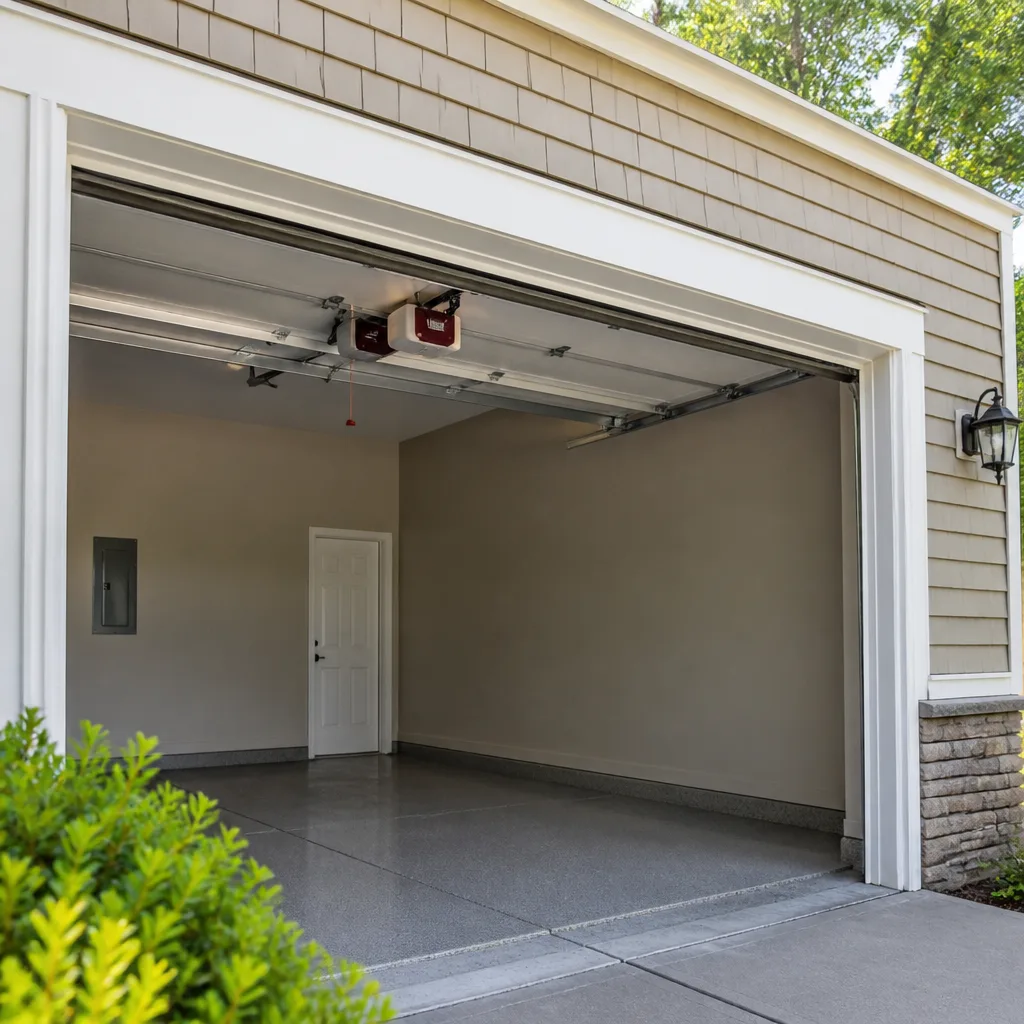 LiftMaster openers
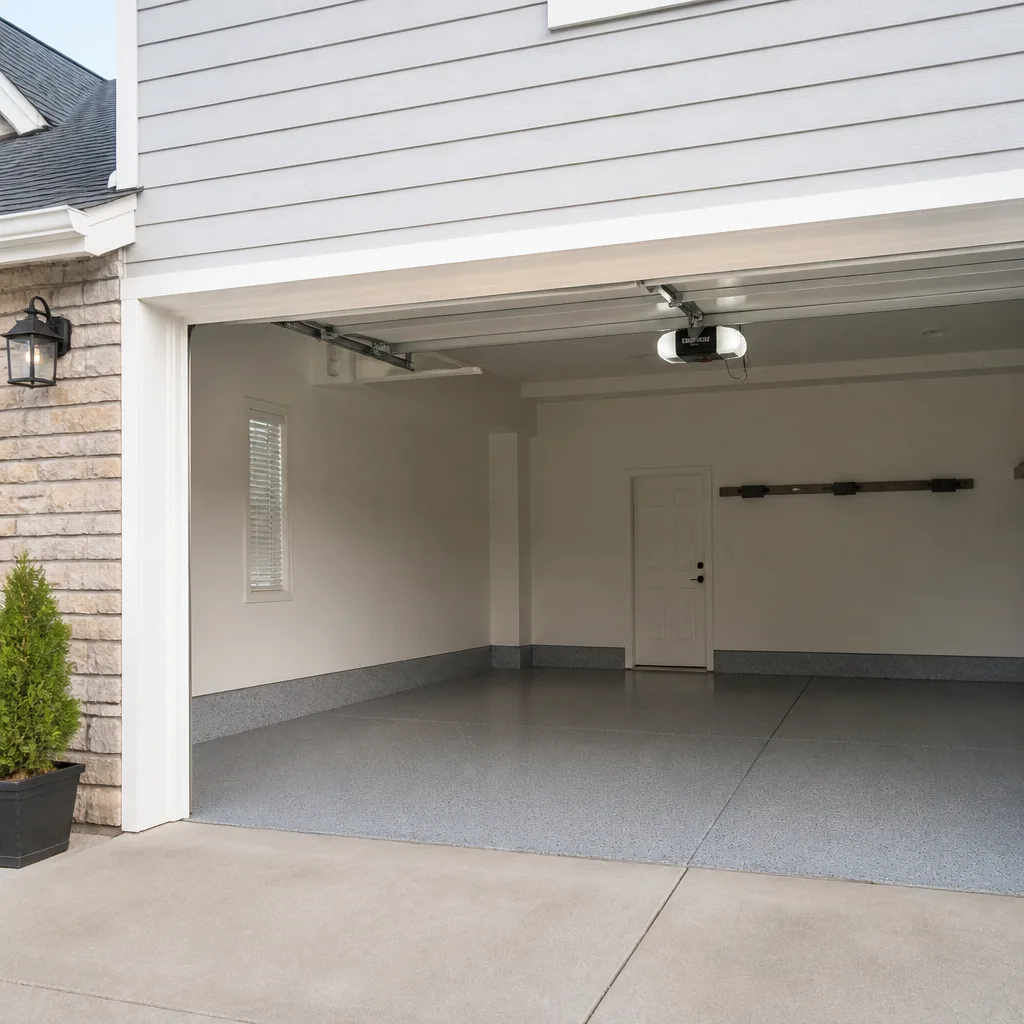 Chamberlain openers
Full 25-point door and opener safety check with every visit - springs, cables, rollers, tracks, and your LiftMaster or Chamberlain opener included
You get a price before we start. It does not change when the pro arrives.
Get your free estimateGarage Door Emergency Preparedness Guide for Elgin Homes
Most garage door “emergencies” are decided in the first sixty seconds, and the decision is rarely about repair skill. It’s about whether the homeowner knows what the door is doing before they touch it. A door that won’t move because the opener lost power is a different problem than a door that won’t move because a spring let go, and treating them the same is how a manageable inconvenience becomes a bent panel, a stripped opener gear, or a trip to the hospital. This guide walks through that first sixty seconds and the hours after it: how to use the manual release correctly and when using it is the wrong call, what to do when the door is stuck open in a February cold snap, how to handle a power outage with a battery backup opener, and what to have ready when you call so the right technician shows up knowing your system. It’s written for Elgin homeowners who’d rather learn this now than figure it out at 6:45 on a freezing morning.
Quick Answer
In a garage door emergency in Elgin, the safest first move is to stop pulling, pushing, or forcing the door and identify the symptom: a broken spring (door feels extremely heavy, you may have heard a loud bang), a power or opener failure (motor runs but the door doesn’t move, or nothing happens at all), or a door off its track (visibly crooked, binding, or hanging). If a spring is broken, do not use the manual release and do not try to lift the door by hand; call for repair. If it’s a power or opener issue, the manual release is usually the right tool. Either way, call (844) 320-7553. We answer 24/7, with fast dispatch from 7am to 7pm, Sunday through Friday, and estimates are free.
Styles & brands we work with
- Raised-panel steel
- Carriage house
- Modern flush
- Full-view glass
- LiftMaster openers
- Chamberlain openers
Table of Contents
- The First Sixty Seconds: A Step-by-Step Emergency Sequence
- How to Use the Manual Release – and When Not To
- Door Stuck Open in Winter: Temporary Security and Weatherproofing
- Power Outage Protocol for Battery Backup Openers
- Stop-and-Call vs. Manageable Workaround
- What to Have Ready When You Call for Emergency Service
- Preventive Checks That Head Off Most Elgin Emergencies
The First Sixty Seconds: A Step-by-Step Emergency Sequence
When a garage door stops working, the instinct is to fix it immediately. That instinct is usually the thing that makes it worse. Before you touch anything, run this sequence in order. It takes under a minute and it prevents the majority of self-inflicted damage we see.
- Stop the vehicle and the door. If you’re in the car, shut off the engine. Don’t try to drive through a partially opened door or nudge it with the bumper. If you’re outside, don’t push or pull on the door.
- Listen and look. Is the opener motor running but the door not moving? Is there a loud bang you just heard from the garage? Is the door visibly crooked? Each points to a different cause.
- Check the obvious non-emergencies. Is the wall switch on? Is the remote battery dead? Has a photo-eye sensor been bumped or covered by a shovel, a recycling bin, or snow piled at the base of the door? In Elgin winters, a drift against the bottom sensor is a common reason a door refuses to close.
- Test the door’s weight by hand, carefully. With the door closed and the opener disconnected (only if you can reach the release safely), lift about a foot and let go. A healthy door stays put or drifts slowly. A door that crashes down or feels extremely heavy has a spring problem, and that’s a stop-and-call situation.
- Decide: manual release, or wait for a technician. Use the decision rule in the next section.
Write down the symptom before you do anything else. “Motor runs, door doesn’t move” and “door slams shut when I lift it” send a technician down two different diagnostic paths, and knowing which one you have before the call makes the visit faster.
How to Use the Manual Release – and When Not To
The manual release cord is the red handle hanging from the opener trolley. Pulling it disconnects the door from the opener so you can move the door by hand. It is one of the most useful safety features on a garage door, and it is also the feature most often used in the wrong situation. The manual release is safe when the door’s springs are intact and the door is properly counterbalanced. It is dangerous when a spring is broken, because the springs are what make a several-hundred-pound door feel like it weighs almost nothing. Disconnect the opener with a broken spring and you’re holding the full weight of the door with your hands.
How the release is meant to work
- Make sure the door is fully closed, with nobody underneath it.
- Pull the red release cord straight down until the trolley disconnects. You’ll hear or feel a click.
- Lift the door slowly with both hands at the bottom section. A counterbalanced door should move with modest effort and stay where you leave it.
- To reconnect, close the door fully, then pull the release cord again and run the opener. The trolley should re-engage with a click.
When NOT to use the manual release
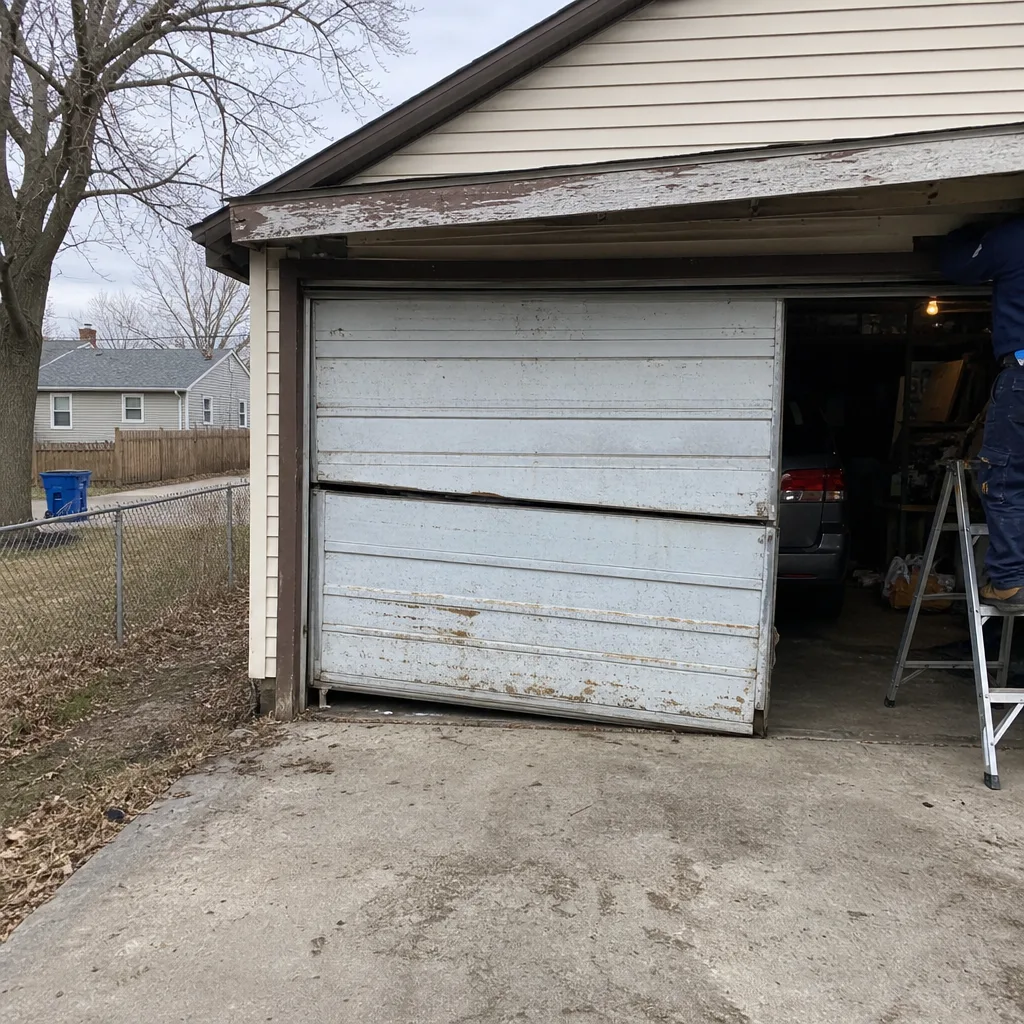
Do not pull the manual release if you heard a bang from the garage, if the door feels unusually heavy, if the door is crooked or off its track, or if you’re unsure. In each of those cases, leave the door in place and call for help. If a car is trapped inside and the door won’t open, the safest option is often to move the car out through another exit or to wait for a technician rather than fight a door that has lost its counterbalance. The garage door spring and cable system is under high tension, and a door that lets go can cause serious injury.
Door Stuck Open in Winter: Temporary Security and Weatherproofing
A door that won’t close in January is a security problem and a frozen-pipe problem at the same time. In Elgin, the practical priority is the same one the city’s older neighborhoods deal with every cold snap: keep the house warm, keep the garage secure, and don’t force a door that’s icing up. Here’s how to manage it while you wait for repair.
- Get the car out if you’re using one. A blocked car is a bigger problem than a stuck door. Move the vehicle to a driveway or street space while you sort the door.
- Lower the door as far as it will safely go by hand if the springs are intact and you can do it without force. Don’t slam it. If the door binds, stop.
- Block the opening off the garage from the house. Close and lock the interior door between the house and garage, and if you have a weather strip, check it’s sealing. This protects both home security and interior temperature.
- Secure the exterior opening temporarily. A piece of plywood or a tarp across the opening, held in place with clamps or a weighted bar, will deter casual entry and keep snow from drifting into the garage.
- Disconnect the opener and lock the door manually if you can. Many openers, including older Craftsman and LiftMaster models, have a manual lock position or a slide lock on the door track. If the door is fully closed, lock it.
- Call for repair. Don’t leave the door open overnight as a “temporary fix” if you can avoid it. In a cold snap, pipes in an attached garage can freeze, and an open garage in Elgin in February is a real risk.
A door that won’t close is often a sensor issue, a limit-switch problem, or a bent track, and all of those need a hands-on diagnosis rather than a workaround.
Power Outage Protocol for Battery Backup Openers
If the power’s out and your opener is a battery backup model, like many modern LiftMaster systems, the opener may still work for a limited number of cycles. When the power comes back, the door doesn’t always behave the way it did before. Here’s what to expect, in order.
During the outage
- Try the opener first. Backup batteries on LiftMaster and Chamberlain units usually run the door a few times before they need to recharge. If the door moves, keep cycles to a minimum.
- If the opener doesn’t respond, use the manual release – but only if the door’s springs are intact and the door feels balanced by hand.
- Check the sensors once power returns. A sensor that lost aim in a storm can stop the door mid-travel. Realign the two photo eyes so they face each other squarely, and clear any snow or debris from the base of the track.
When the power comes back
- Let the opener’s battery charge for an hour before relying on it again.
- Run the door through one full open-and-close cycle and watch it. It should move smoothly and stop in the same positions as before.
- If the door reverses immediately or stops partway, the opener’s travel limits probably need resetting. This is a normal post-outage adjustment, not a sign of failure.
- If the door runs rough after several cycles, call for a service visit. Power surges during restoration can affect circuit boards and logic boards in older openers.
For a system that’s already showing its age, a garage door opener repair visit after an outage is often the cheapest way to prevent a repeat failure later in the season.
Stop-and-Call vs. Manageable Workaround
Some garage door problems are safe to work around for a day or two. Others need a technician before the door is touched again. The dividing line is whether the door has its counterbalance and whether the track and panels are intact.
Stop and call – do not operate the door
- You heard a loud bang from the garage. A snapped torsion or extension spring is the most likely cause and the door is now unsupported.
- The door is visibly crooked, binding, or off its track. Forcing it can bend the panels or the track itself.
- The door won’t stay up when lifted by hand. That’s a spring problem, not a motor problem.
- Cables are slack, frayed, or hanging loose. Cables and springs are the highest-risk parts of the system.
- The door is stuck half open with a vehicle inside. Call for help rather than forcing it down.
Manageable workaround
- The opener works but the remote doesn’t. Use the wall switch or replace the remote battery later.
- The door closes partway and reverses. Usually a sensor alignment issue. Clear and realign the photo eyes.
- The door is noisy but functional. Note it and book a service visit – don’t ignore it indefinitely.
- One section of weather seal is torn. Schedule a repair when convenient; it’s not dangerous in the meantime.
If the answer to “is the door safe to operate right now?” is anything other than a clear yes, treat it as a stop-and-call.
What to Have Ready When You Call for Emergency Service
The difference between a fast diagnosis and a slow one is usually the information the caller has ready. When you call for emergency service in Elgin, have these five things in hand and the technician can show up with the right parts for the right system.
- The door brand. Clopay, Amarr, Wayne Dalton, Raynor, and most major brands have identifying labels on the inside of the door panels or the bottom section. A quick look at the label saves a trip.
- The opener brand and model. LiftMaster, Chamberlain, Genie, Craftsman, and Raynor openers each have a label on the motor head or inside the light cover. Model numbers matter because the logic boards and gear kits are not interchangeable.
- The symptom description. “The motor hums but the door doesn’t move” is different from “the door slams down when I lift it.” Say exactly what you see and hear.
- The door type and approximate size. Single car, double car, sectional or one-piece, insulated or not. A quick description is enough.
- Whether a vehicle is trapped inside. This changes the urgency of dispatch.
We work on what you already have, which is why the brand and model questions come first: a technician familiar with your opener arrives knowing which gear kit or logic board is likely at fault, rather than guessing on site. Ridgeway Garage Door Repair services LiftMaster, Chamberlain, Genie, Clopay, Amarr, Wayne Dalton, Craftsman, and Raynor systems. If you’re not sure of the brand, don’t guess. Read the label, describe it, and we’ll sort it out.
Preventive Checks That Head Off Most Elgin Emergencies
Most of the emergency calls we take in Elgin start as a maintenance item someone put off. A ten-minute check twice a year, once before winter and once before summer, catches the majority of what turns into a 6:45 a.m. failure. None of these require tools beyond a screwdriver and a rag.
- Test the manual release. Pull and re-engage it once. If the trolley doesn’t re-engage cleanly, note it for service.
- Lift the door by hand with the opener disconnected. A properly balanced door stays put when you let go at any point. If it drifts or crashes, a spring is failing.
- Look at the springs. A broken spring is usually obvious: a visible gap in the coil, or the two coils no longer touching. Don’t touch a torsion spring under load.
- Wipe the photo-eye lenses. Elgin winters kick up road salt and grit from the driveway onto the sensors. A dirty lens stops a door as surely as a broken one.
- Clear snow and ice from the bottom seal and track. Ice in the track can pull a door off its rollers.
- Test the door’s reverse feature. Place a roll of paper towels under the door and close it. The door should reverse when it touches the roll. If not, service the opener.
- Lubricate the hinges, rollers, and track. A silicone or lithium spray on the moving parts, once a season, quiets a door and slows wear.
If any of these checks turn up a problem, book a repair before it becomes an emergency. A planned garage door repair in Elgin is quicker and less stressful than an urgent one, and it keeps the door’s balance and alignment in check.
Common Mistakes to Avoid
- Pulling the manual release with a broken spring. The door is hundreds of pounds and now unsupported. The pull cord is the wrong tool in that situation, and it can turn a manageable repair into an injury.
- Forcing a door that’s off its track back into place. Panel and track damage gets worse quickly, and a door that’s been bent back by hand almost never seals properly again.
- Pushing a car through a partially opened door. The door’s weight and the opener’s gear assembly can both fail at the same time, and it’s how many incidents start.
- Ignoring a door that reverses partway. That’s a sensor or limit issue that will stop the door at exactly the wrong moment in a cold snap.
- Using the emergency release cord as a “reset” for the opener. It’s a disconnect, not a repair. If the opener’s not working, the release won’t fix it.
- Leaving a stuck door open overnight in winter. Pipes in an attached garage can freeze in Elgin’s cold, and an open garage is an open garage. Secure it with the temporary steps above and call for repair.
- Calling without the brand and model. The technician has to identify the system on site, which delays the repair and may mean a second visit for the right part.
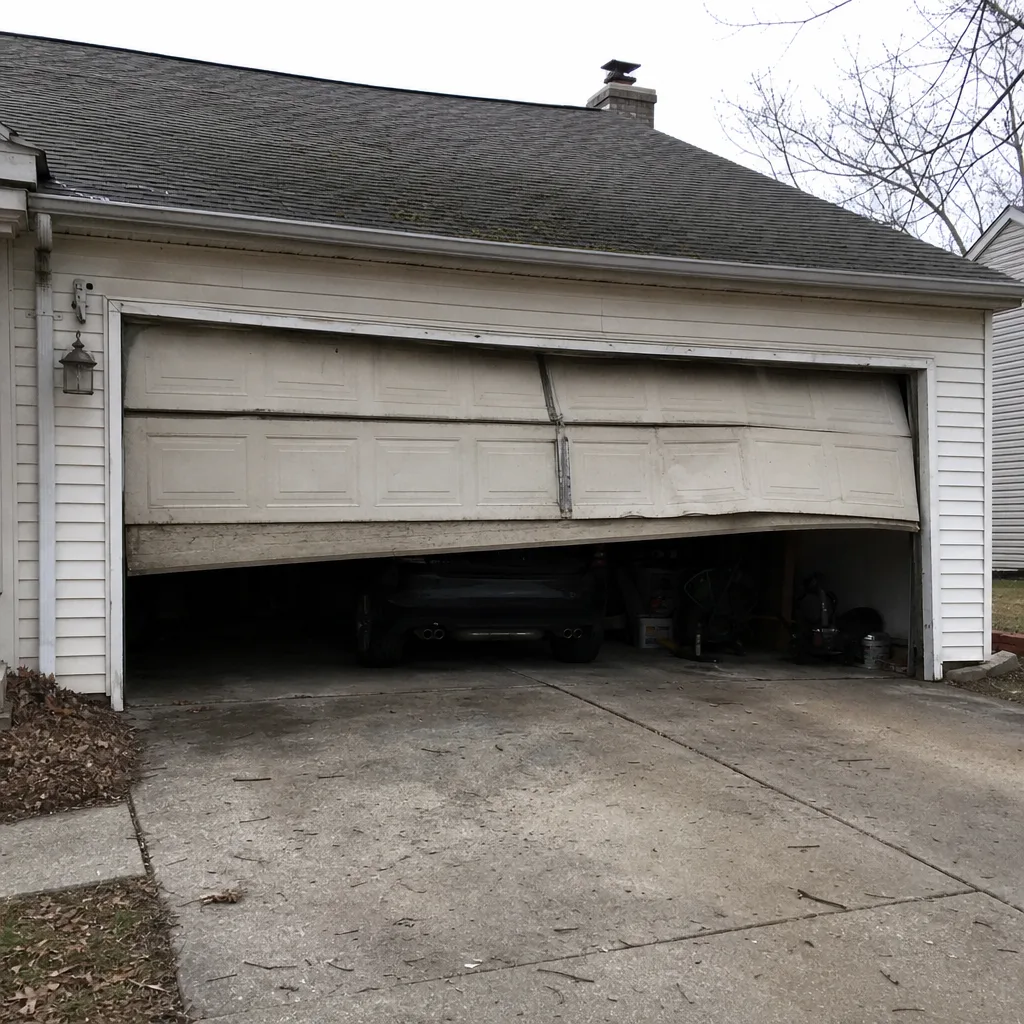
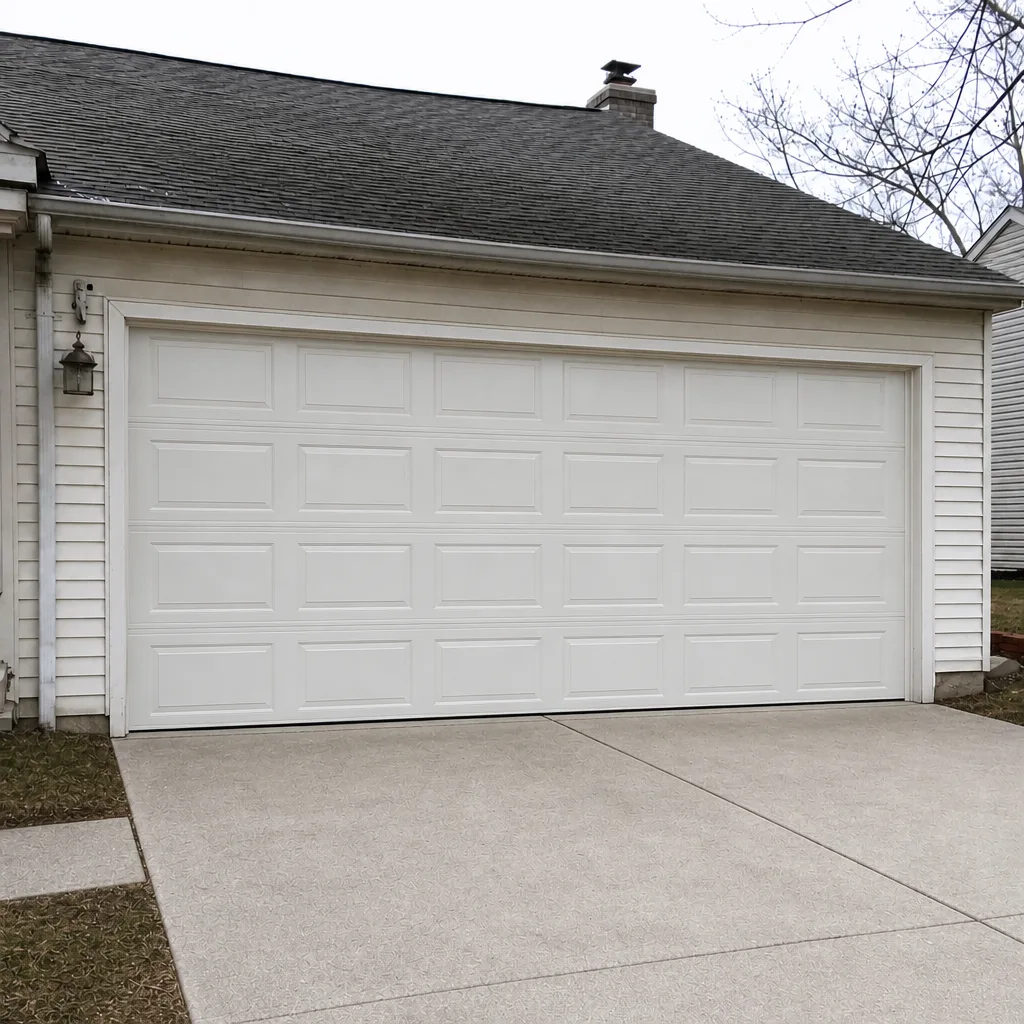
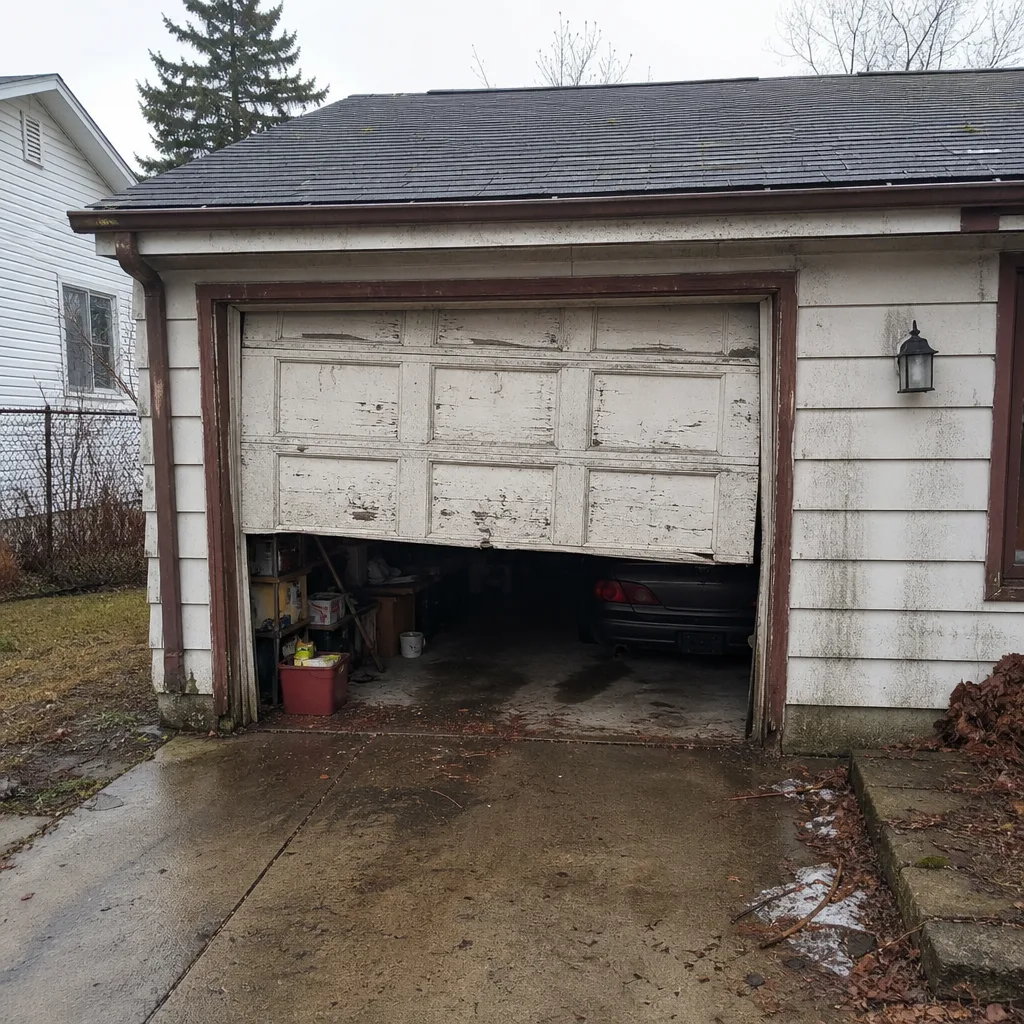
See the difference
 Before
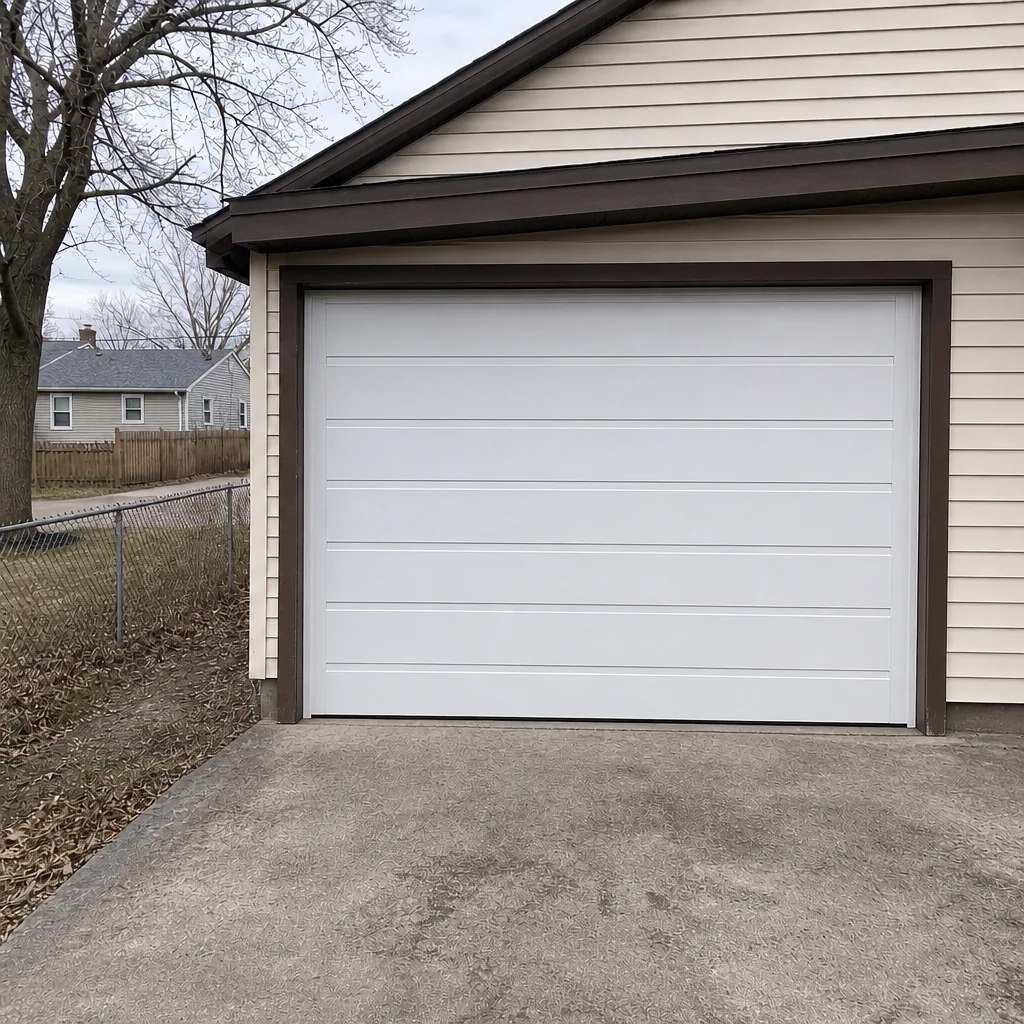 After
 Before
 After
 Before
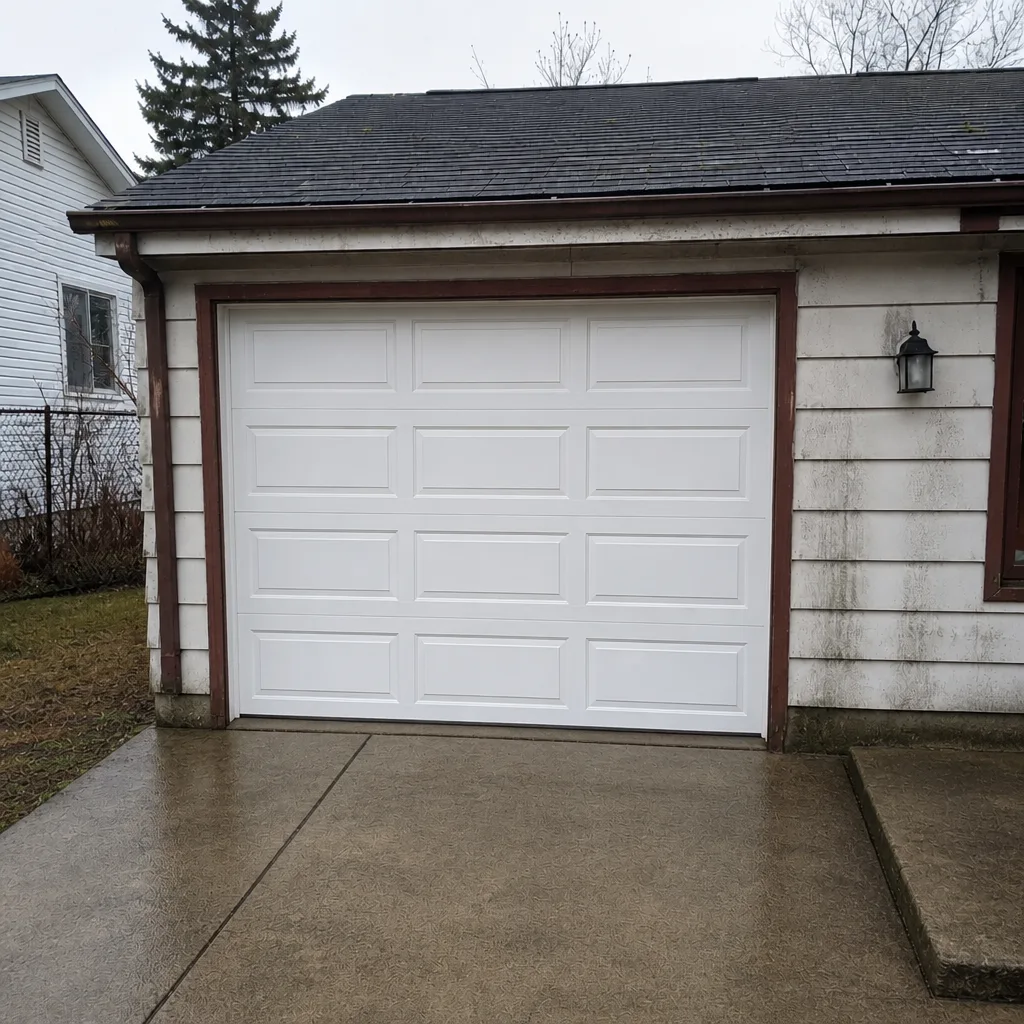 After
When to Call a Professional
Call for a professional anytime the door has lost its balance, the spring has snapped, the door is off the track, or you’re not certain it’s safe to operate. Those are spring-and-cable situations, and the system is under high tension that a homeowner shouldn’t work against. Call right away for a trapped vehicle, a door stuck open in freezing weather, or any damage after a storm. For a door that’s merely noisy, reverses occasionally, or has a failing remote, a scheduled visit is fine. Ridgeway Garage Door Repair offers free estimates in Elgin – call (844) 320-7553. We answer 24/7, with fast dispatch from 7am to 7pm, Sunday through Friday, and closed Saturday. If a door fails on a Saturday, call and we’ll book you into the next opening. Our technicians have up to 11 years of experience, and we work on what you already have rather than steering you toward a replacement. Your Elgin home deserves a fix, not a sales pitch.
Frequently Asked Questions
Stop and identify the symptom before touching anything. If the opener motor runs but the door doesn’t move, or if the door acts normally except for the remote, the problem is likely electrical or sensor-related. If you heard a bang or the door feels extremely heavy, it’s likely a spring and you should not use the manual release. Call (844) 320-7553 with the door brand and opener model, and we’ll dispatch the right technician.
Yes, if the door’s springs are intact and the door feels balanced when you lift it by hand. Pull the red manual release cord to disconnect the opener, then lift the door slowly. If the door feels heavy or won’t stay up, do not force it. Call (844) 320-7553 for help.
It depends on what’s wrong: a broken spring, an opener failure, a track problem, or a sensor issue each carries a different price. We give a free written estimate before any work starts, and the written price is the price. Call (844) 320-7553 for an exact quote – estimates are free.
No. The written estimate we give you is the price you pay. If we discover something that wasn’t visible on the initial diagnosis, we tell you before any additional work begins and you decide whether to proceed. No surprise invoices. Call (844) 320-7553 for a free estimate.
Yes, our technicians are licensed and insured. Ridgeway Garage Door Repair works with independent local professionals who are trained on the systems they’re sent to, including LiftMaster, Chamberlain, Genie, Craftsman, Clopay, Amarr, Wayne Dalton, and Raynor. Call (844) 320-7553 to discuss your door.
Don’t leave it open overnight if you can avoid it. In Elgin’s cold, an open garage creates a real risk of frozen pipes in an attached garage, and it’s a security gap. Use the temporary steps in this guide (secure the opening, close the interior door, disconnect and lock the door if possible) and call (844) 320-7553 to schedule a repair. We answer 24/7, with fast dispatch from 7am to 7pm, Sunday through Friday.
The Bottom Line
Most garage door emergencies turn on the first minute, not the repair itself. If you know the door’s brand and model, know where the manual release is and when not to use it, and can tell the difference between a spring failure and a power failure, you’ve handled the hard part before the technician arrives. The rest is scheduling and parts. Ridgeway Garage Door Repair services eight major brands and works on what you already have, which is why we ask about your door and opener before we ask what’s wrong. Keep the number somewhere you’ll find it in the dark: (844) 320-7553. We answer 24/7, with fast dispatch from 7am to 7pm, Sunday through Friday, and free estimates. If you’re planning ahead rather than reacting to a failure, our Ridgeway Garage Door Repair team is here to help you get the door sorted before it becomes an emergency.
Written by the team at Ridgeway Garage Door Repair.