
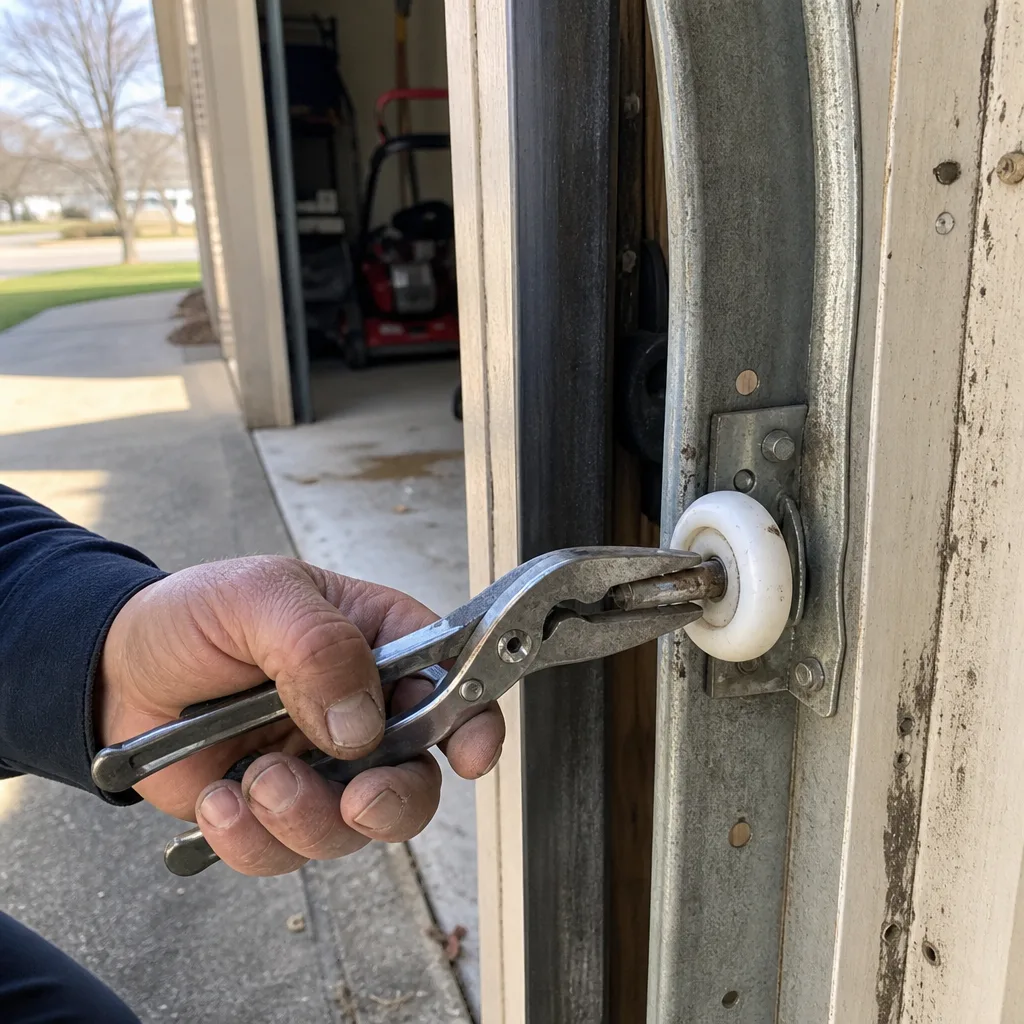
Last updated November 15, 2026
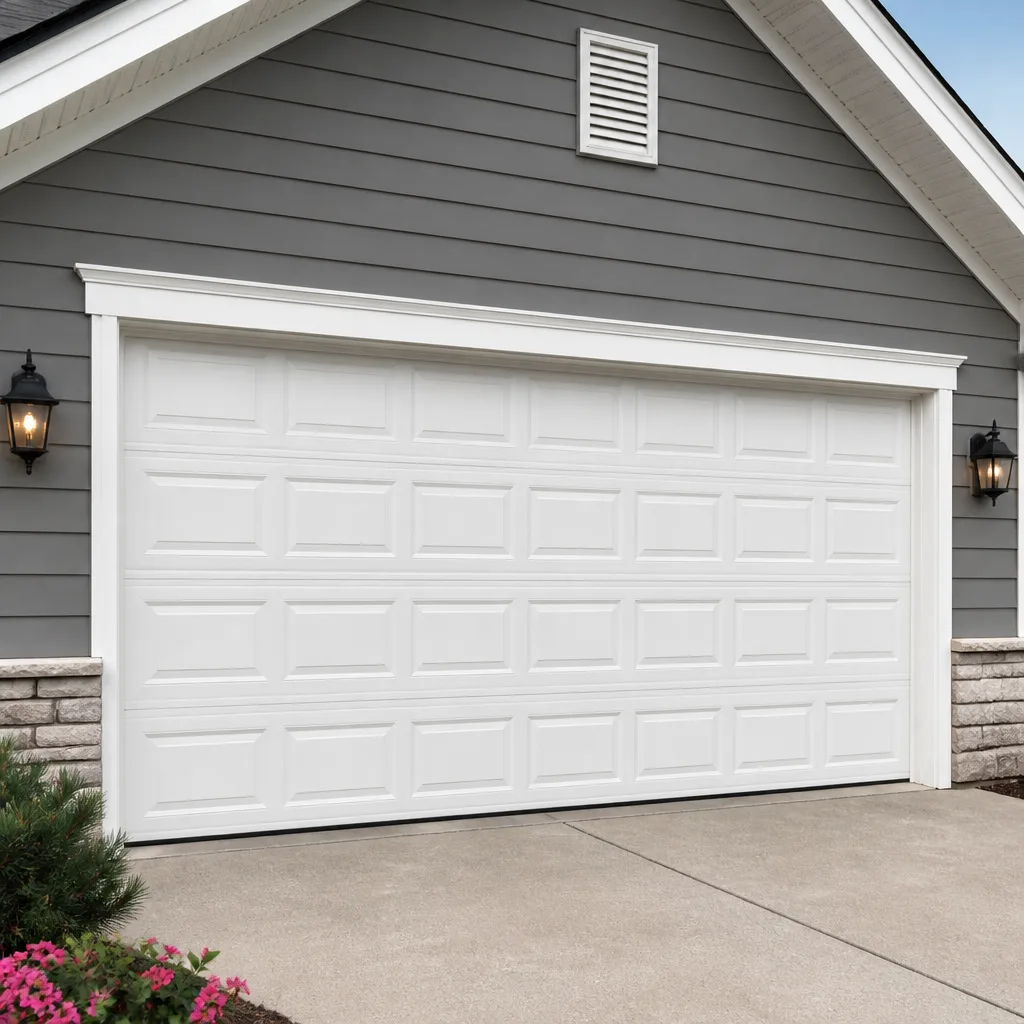 Raised-panel steel
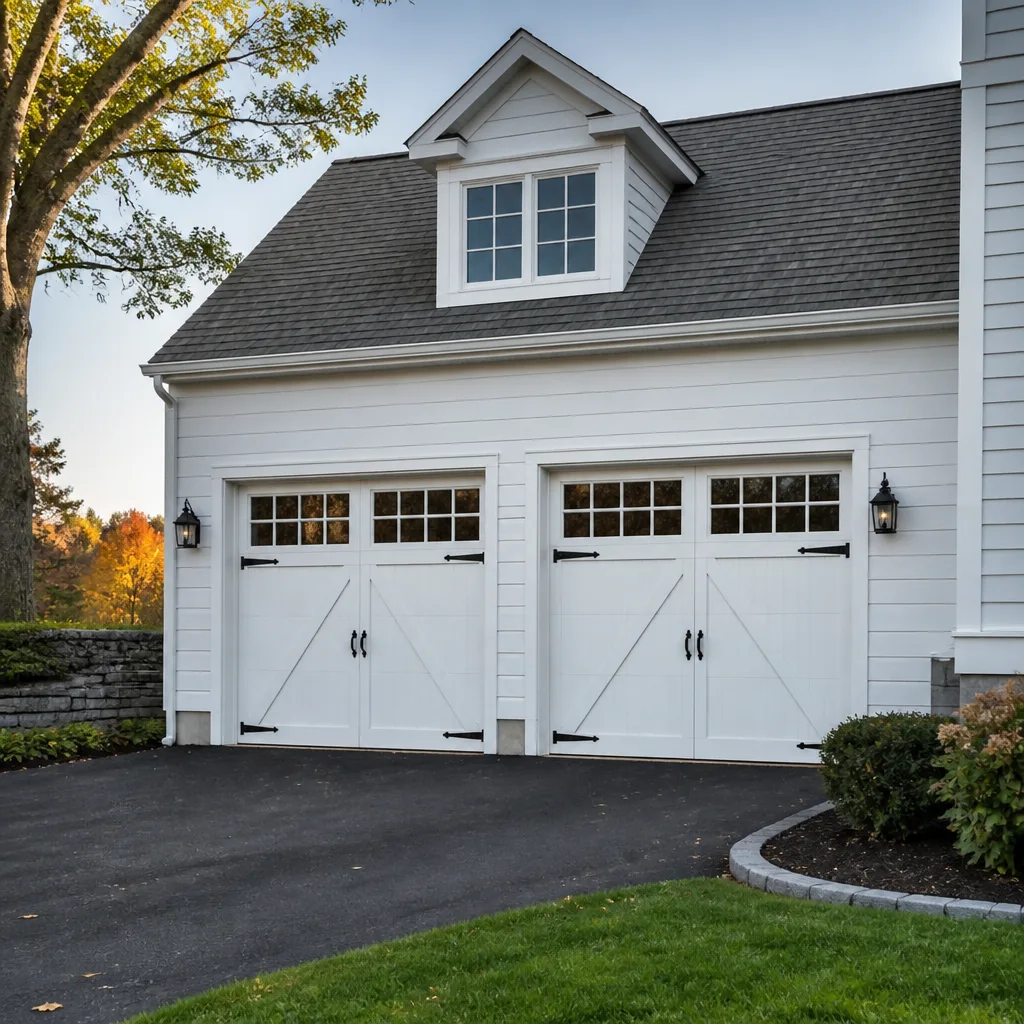 Carriage house
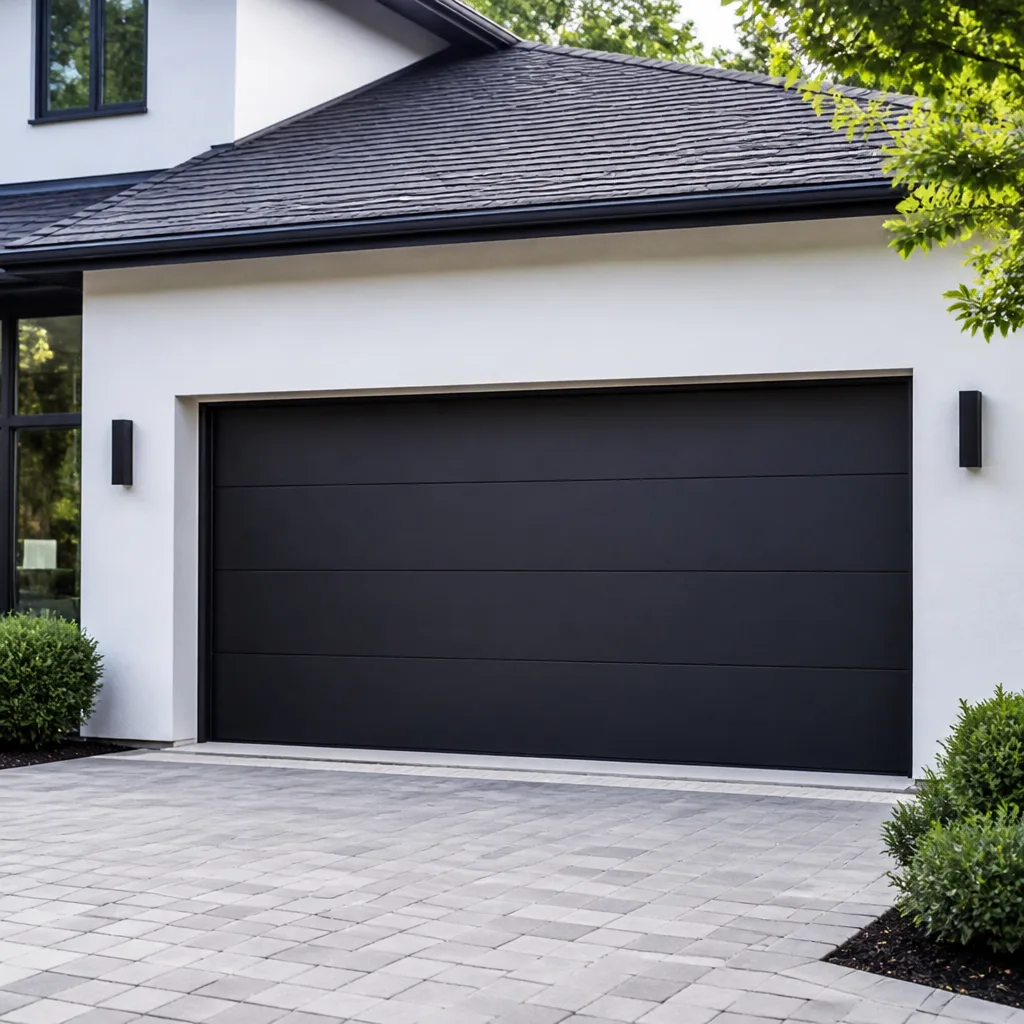 Modern flush
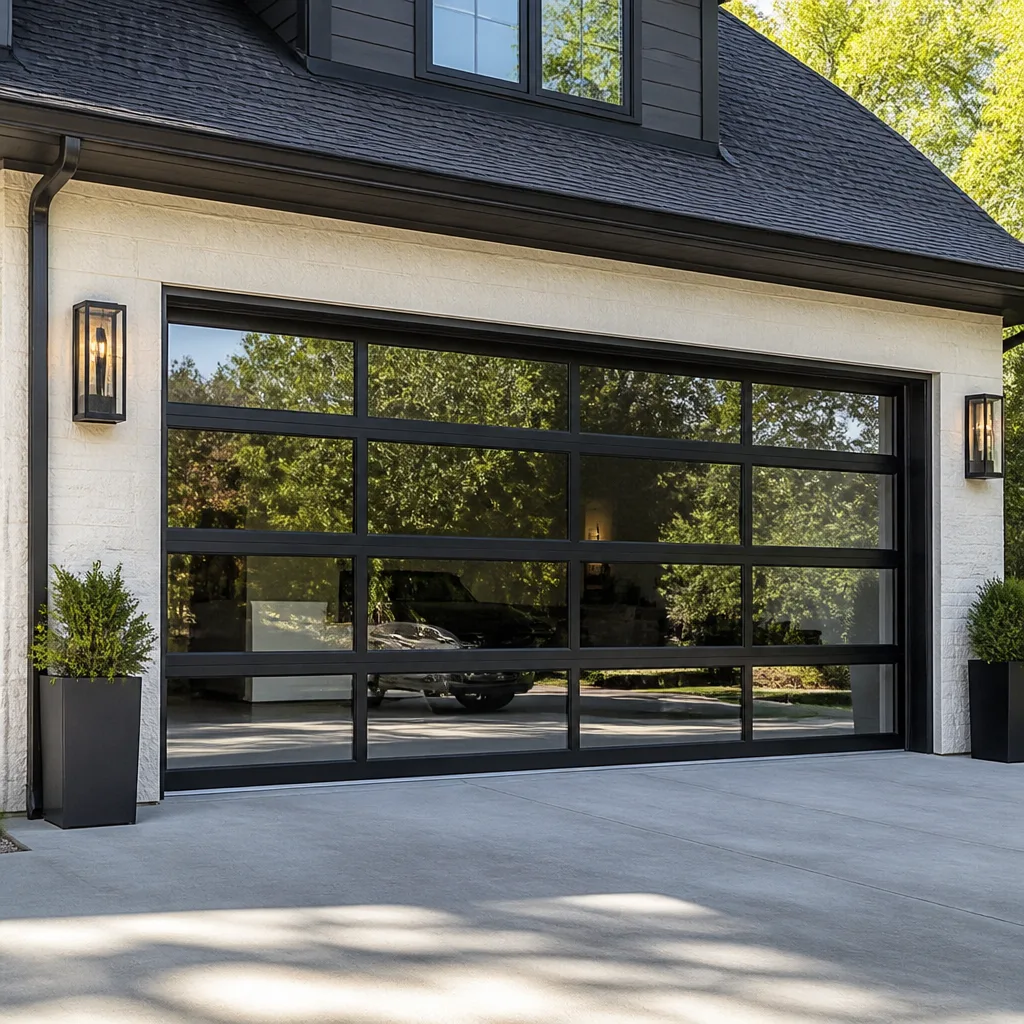 Full-view glass
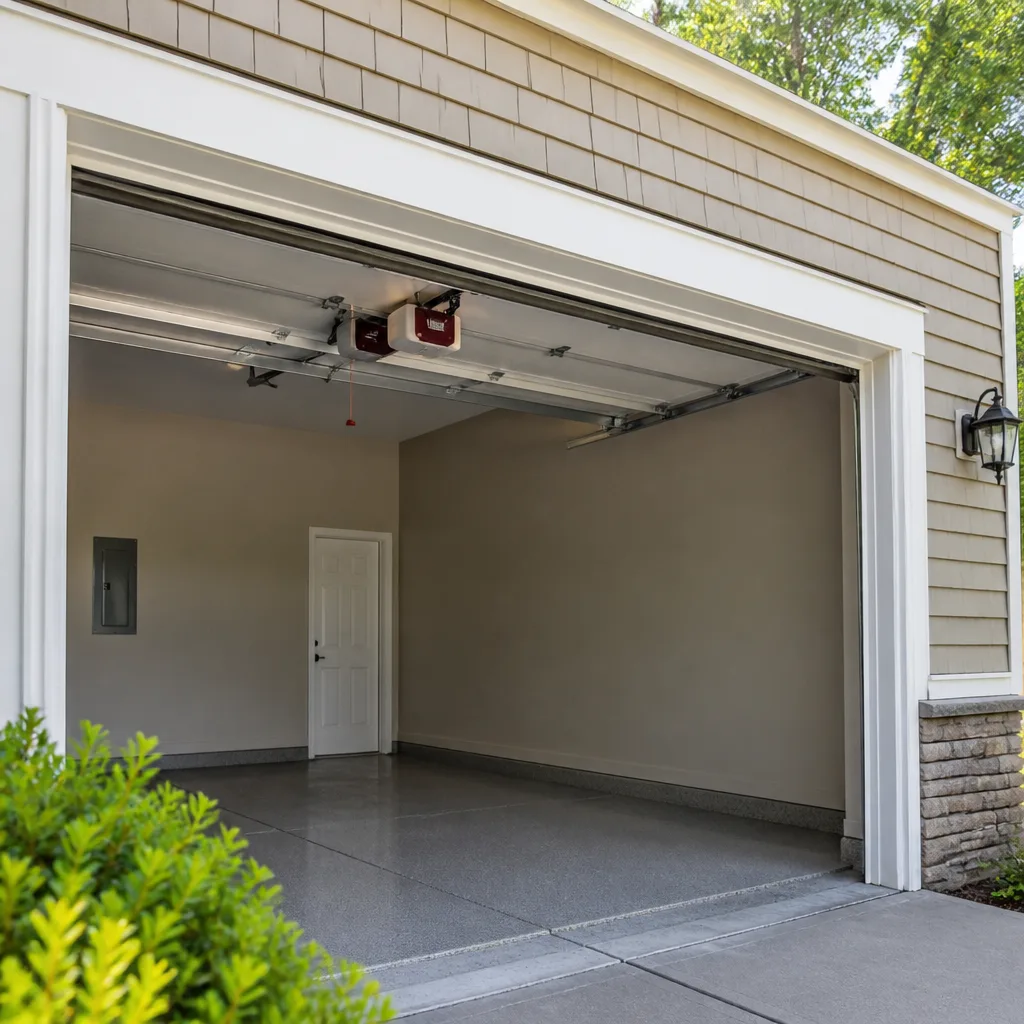 LiftMaster openers
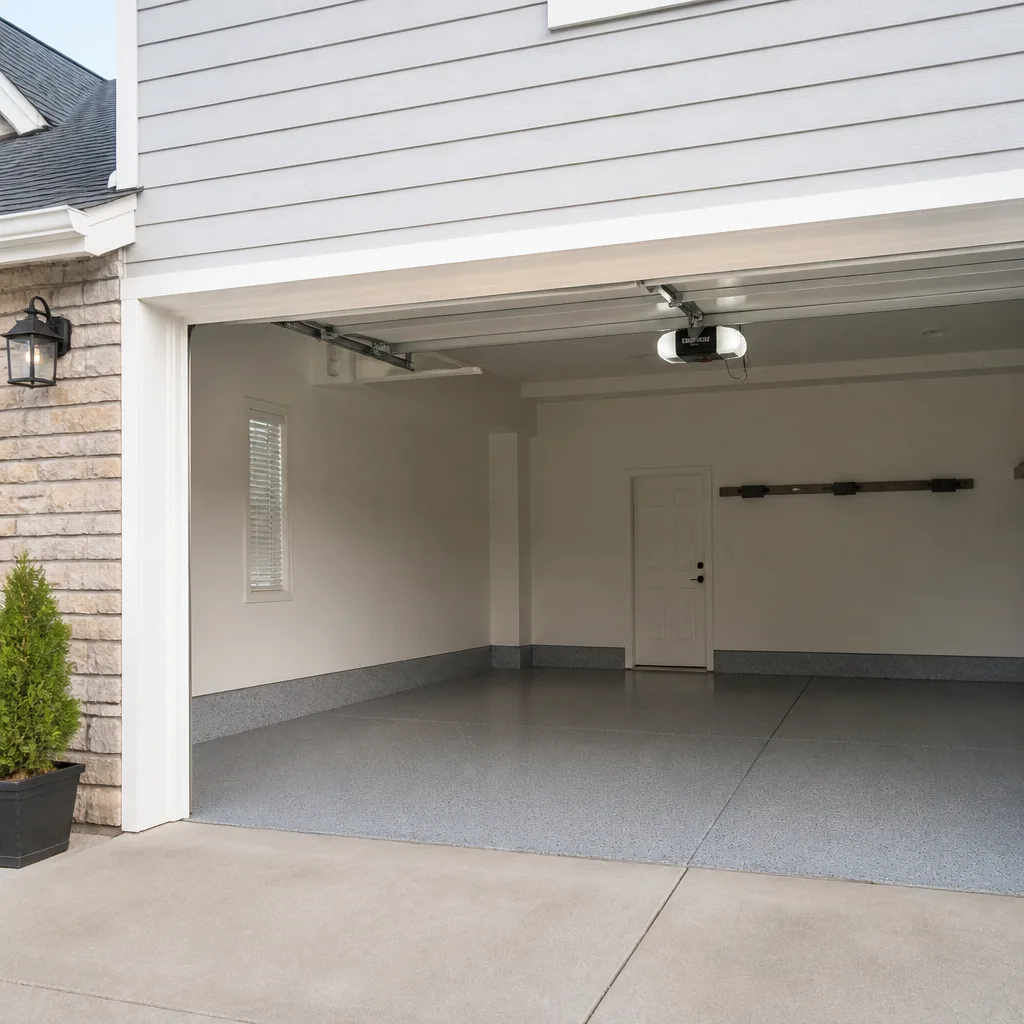 Chamberlain openers
Full 25-point door and opener safety check with every visit - springs, cables, rollers, tracks, and your LiftMaster or Chamberlain opener included
You get a price before we start. It does not change when the pro arrives.
Get your free estimateGarage Door Permits, Codes & Inspections in Elgin, IL: What You Need to Know
Most homeowners assume a permit applies to decks, basements and room additions, not to the door they raise and lower every morning. That assumption is the reason garage permit paperwork turns up missing at resale inspections years after a new door went in, and sorting it out later usually costs more than the original permit would have. Nobody skipped the step to cut corners. They skipped it because no one told them garage work falls under city review at all. This guide covers when the City of Elgin triggers a permit for garage door work, what an inspection actually checks, how HOA rules layer on top of code, and how the fire-rated door between your attached garage and your living space fits into it. We work on garage doors in Elgin every week, and this is the part of the job homeowners ask about most.
Quick Answer
A permit is usually required in Elgin when a new garage door is installed, when the opening or its structural header is altered, or when new electrical work is run for an opener. Routine repair and like-for-like replacement of an existing door typically do not require one. An inspection, when it’s triggered, focuses narrowly on safety hardware and the opener’s reverse function, not on the whole garage. The final answer always comes from the City of Elgin building department, so confirm your specific project before work starts.
Styles & brands we work with
- Raised-panel steel
- Carriage house
- Modern flush
- Full-view glass
- LiftMaster openers
- Chamberlain openers
Table of Contents
- When does garage door work need a permit in Elgin?
- What does an inspection actually check?
- How HOA rules layer on top of city code
- Who pulls the permit, and why it matters
- The fire-rated door between garage and house
- How Elgin winters affect doors, hardware and longevity
- Step by step: how the permit process plays out
- Common mistakes to avoid
When Does Garage Door Work Need a Permit in Elgin?
Garage door work needs a permit in Elgin when the project changes the structure of the opening or adds new electrical work, and not when a technician simply repairs or replaces parts on a door that’s already there. That distinction matters more than it sounds, because it separates two very different jobs that homeowners often describe the same way. “I’m getting a new garage door” can mean a fresh panel on the same track and springs, or it can mean removing the header and reframing the opening. One usually needs a permit. The other usually doesn’t.
Here’s how the categories typically break down:
- New door, same opening, same size: Often no permit for the door itself, but confirm with the city. Any structural change to the opening or header is where permits get triggered.
- Changing the size of the opening: Widening or heightening the opening means cutting and reframing the header, which is structural work. That requires a permit in most jurisdictions.
- New opener circuit or outlet: Running a new dedicated electrical circuit to the opener, or adding an outlet where none existed, is electrical work and usually requires a permit and an electrical inspection.
- Swapping an opener on existing wiring: Plugging a new opener into an existing outlet is not new electrical work. Most cities don’t require a permit for this.
- Repair: Spring replacement, cable replacement, roller and hinge swaps, track straightening, sensor adjustment. No permit. This is routine service and not a structural or electrical change.
Elgin has a broad mix of housing stock, from older homes near the Fox River to newer subdivisions on the city’s west side, and that mix shapes which projects trigger a permit. A home built decades ago often has an undersized opening by modern standards, so a homeowner who wants a wider door is really doing structural work whether they realize it or not. A newer home usually has a standard opening, which means a like-for-like replacement is a much simpler project.
The safest move is a quick call to the City of Elgin building department before anything is ordered. Permits are usually inexpensive relative to the project, and the city can tell you in minutes whether your specific job needs one. When in doubt, we tell homeowners the same thing: ask the city. It’s a five-minute phone call that saves months of paperwork later. For anything that’s clearly a repair rather than a structural change, our garage door repair service handles it without permits or inspections.
What Does an Inspection Actually Check?
An inspection is narrower than most homeowners expect. It’s not a full structural review of the garage, and the inspector isn’t there to grade the finish or the brand. The inspection is a safety check, and it concentrates on the hardware and the opener that could hurt someone if they fail. Once you know that, the inspection becomes much less intimidating.
The items that get checked usually include:
- Whether the door opens and closes smoothly without binding or catching
- That the springs and cables are intact and properly sized for the door’s weight
- That hinges, rollers and brackets are secure and not worn
- Whether the opener’s auto-reverse function works with an obstruction in the path
- That the safety sensors at the bottom of the opening are aligned and functional
- That the manual release works and the door can be operated by hand
- That the door stays fully open when raised partway and released
That’s it in most cases. The inspector wants to confirm the door won’t come down unexpectedly, that a person or object in the path triggers a reverse, and that the door can be operated safely if the power goes out. The finish, the window pattern and the brand of opener are not hazards, so they don’t get much attention.
One item we see homeowners confused about: the auto-reverse test. Modern openers from LiftMaster and Chamberlain use a combination of a pressure sensor and the safety beams at the floor. A door that reverses on obstruction but beeps repeatedly, or one that reverses only sometimes, fails the spirit of the test even if it passes once for the inspector. If you’ve been meaning to have that looked at, our garage door opener repair service resolves it before the inspection, not during it.
One more note on safety, because this matters. Garage door springs and cables are under very high tension, and adjusting or replacing them is one of the few genuinely dangerous jobs in a home. Do not attempt spring or cable work yourself, and don’t take a shortcut on a tension adjustment to save a technician visit. The inspection is not the moment to discover a spring was installed badly. Have a trained technician handle anything under tension.
How HOA Rules Layer On Top of City Code
City code and HOA rules are two different rulebooks, and in Elgin both can apply to the same door. The city cares about permits and safety. Your HOA cares about appearance, and it can be far pickier. A door that passes inspection and meets every line of city code can still violate your HOA’s architectural standards, so both need to be checked before the door is ordered.
The kind of HOA requirements we see in Elgin subdivisions, especially in newer developments on the west side and around the golf course communities, tend to cover:
- Color: Many associations specify approved colors for front-facing garage doors, often whites, tans or specific earth tones. Buying a door in a color your HOA hasn’t approved is a costly mistake.
- Style: Raised-panel, carriage-house or flush-panel designs may be required or forbidden depending on the community. Carriage-style doors that fit a traditional look aren’t always allowed in contemporary developments.
- Windows: Whether windows are allowed at all, how many panels can carry them, and often the glass type.
- Front-facing garages: Associations frequently have stricter rules for doors that face the street than for side-entry or rear-facing doors.
- Material: Steel versus wood look, and how the panel faces are finished, sometimes fall under the architectural review process.
The order to do things in is simple. Check the HOA first, get written approval if the association requires it, then confirm the permit question with the city, then order the door. Reversing that order means paying to re-panel a door after it’s mounted, or worse, taking it off the truck and sending it back.
This is one place where working on a wide range of brands helps. Because we service Clopay, Amarr, Wayne Dalton and Raynor doors, we can usually find a model in the right color and style that also matches the brand already on your house, and we can match replacement panels to a door line your HOA already approved. That continuity keeps the paperwork straightforward. If you’re starting fresh, we’re happy to talk through styles before you commit. You can learn more about our work across Elgin and the surrounding area on our service pages, and we handle installation and repair with the same team.
Who Pulls the Permit, and Why It Matters
When a permit is required, there are two ways it can happen: the homeowner pulls it, or the contractor pulls it as the licensed professional of record. In most cases the contractor is the right person to take it on, because the permit and the inspection need to line up with the work as it was actually done. The plans the city reviews should match what gets installed, and it’s much cleaner when the same party files and builds to those plans.
Here’s how the arrangement usually works:
- The homeowner and contractor agree on scope and the correct door or opening change.
- The contractor files the permit application, including drawings and specifications where the city requires them.
- The city issues the permit and sets the inspection requirements.
- The contractor completes the work to the filed plans.
- The contractor or homeowner schedules the inspection.
- The inspector signs off, and the permit is closed on record.
That last step, the permit being closed on record, is the one that matters years later. An open or missing permit shows up at resale when the buyer’s inspector pulls records, and the cost of retroactively documenting work is usually more than the original permit ever was. That’s the practical reason a permit is worth doing up front. A permit that’s filed and closed is a solved problem forever.
Now here’s the red flag. If a contractor discourages the permit, tells you it’s unnecessary for this kind of work, or suggests doing the job without one to keep the project moving, that’s a signal worth taking seriously. It might mean they’re not licensed to pull permits in Elgin, or that the work they plan won’t pass an inspection as designed. A contractor who encourages the permit, and who handles it without complaint, is telling you they expect to do the work right the first time.
We’re a garage door specialist, not a general contractor, and we file permits when a project requires one. If your project is making structural changes to the opening, we’ll tell you directly, and we’ll talk through the permit path before we quote the job.
The Fire-Rated Door Between Garage and Living Space
That door from the attached garage into your house is what code calls a separation door, and it has a specific job: keep fire and carbon monoxide from moving from the garage into your living space long enough for people to get out. The door between your attached garage and your home is generally required to be a fire-rated door in Illinois, and this applies whether your garage is attached on one side or wraps around more than one wall of the house. Swapping it for a standard interior door, one that looks identical and costs a fraction as much, violates that requirement and defeats the purpose.
The details that matter:
- The rating: Fire-rated doors carry a rating measured in minutes, and the rating is stamped on the door or its label. Ask before you buy. An unstamped door is not the right door.
- Self-closing hardware: A rated door usually needs self-closing hardware, often springs or a self-closer, so it can’t be left propped open. If your door swings free and stays where you leave it, it’s probably not compliant.
- The threshold and seal: Rated doors are typically installed with a threshold and weatherstripping that keep smoke and gases from leaking around the edges, and with an automatic closer so the door seats properly.
- Gaps and fit: A door that fits poorly in its frame defeats its own rating. The frame, hinges and strike plate all need to be in good shape for the door to do its job.
We’re called out to homes where the separation door was swapped for a cheap interior door during a remodel, often because nobody knew the requirement. It’s a simple fix, but not one to put off. If you’re not sure of the rating on your door, look for a label or stamp on the hinge edge or top of the door, and if you can’t find one, it’s worth having a carpenter confirm. This is a safety element, so we always recommend checking it properly rather than guessing.
How Elgin Winters Affect Doors, Hardware and Longevity
The freeze-thaw cycle in this part of Illinois does more damage to garage doors and hardware than most homeowners realize. A door that opens and closes smoothly in October can bind, stick or fail a reverse test by February, and it’s usually the cold and the salt rather than any defect in the door. The same weather that cracks driveways works on a garage door’s moving parts, particularly the bottom seal, the rollers and the opener’s sensors.
The main effects we see in Elgin:
- Frozen bottom seals: A rubber seal that lifts in summer can freeze to the slab and tear away in winter. A damaged seal lets moisture and pests in and makes the door harder to operate.
- Stiff springs and rollers: Cold temperatures make springs stiffer and rollers drag. Doors that were tuned for mild weather may need adjustment as the season turns.
- Snow and ice in the tracks: Debris that packs into the track during a storm can jam a door or throw it off alignment. Clearing the track is a homeowner job, not a technician one, and it’s the first thing to check when a door stops working after a storm.
- Sensor issues: Low winter light plus a dirty or misaligned safety sensor is a common combination. A door that won’t close because the opener thinks something is in the path is often a sensor cleaning or alignment issue.
- Road salt near the opening: Salt tracked onto the slab and around the bottom of the door speeds up corrosion on hinges, rollers and the bottom panel.
The practical takeaway is to have the door serviced before the cold sets in, and to check the reverse function and sensor alignment again in the spring, when the freeze-thaw cycle ends. Routine maintenance is far cheaper than a failure in January, and it’s the kind of item that’s much easier to handle on a scheduled visit than on a hurried one. None of this is a permit question, but it’s the reason a garage door in Elgin needs more attention than one in a milder climate.
New installation and replacement projects are a good moment to think about climate, too. A sealed door, a modern bottom threshold and a compatible opener will do better through the cold than an aging system that was never tuned for it.
Step by Step: How the Permit Process Plays Out
The permit process sounds bureaucratic on paper, but in practice a garage door project follows a predictable path. Here’s the arrangement in order, from first call to closed permit, and where the friction points usually are.
- Call the City of Elgin building department. Describe the project in plain terms: new door, same opening or altered opening, and whether new electrical work is involved. The city will tell you whether a permit is required for this specific job.
- Check the HOA, if you have one. Get any required architectural approval in writing before you buy a door in a color or style the association hasn’t approved.
- Get a written estimate from a garage door contractor. The estimate should tell you whether the project involves a permit and what the scope of work actually is. Any estimate that doesn’t address the permit question, when a permit is likely, is worth pushing back on.
- The contractor files the permit application. Drawings and specifications are filed with the city. Construction doesn’t begin until the permit is issued.
- The work is completed. Installation, or the structural change to the opening, is done to the filed plans.
- The inspection is scheduled. The inspector checks the safety hardware and the opener’s reverse function. If the project included new electrical work, the electrical inspection often happens first or alongside it.
- The permit is closed. The record shows the work was done and inspected. That’s the paperwork that matters at resale.
Timelines vary with the city’s workload and the project’s complexity, which is why we don’t quote a fixed number of days for permit approval. The one thing that’s consistent is that starting the process early is easier than starting it late, and that a small delay up front is much easier than a resale inspection surprise down the road.
If the job is a routine repair rather than a project, there’s usually no permit and no inspection, and the work can be scheduled quickly. Installation and replacement follow the schedule above, and there’s no shortcut through it. We’re happy to walk through the steps with you when you call. Our team at Ridgeway Garage Door Repair handles the full range, repair, opener repair and installation, so the conversation can cover whichever applies to your door. If you’re not sure whether you’re looking at a repair or a project, the scope conversation usually resolves it in a few minutes.
Common Mistakes to Avoid
- Skipping the permit because “it’s just a door.” If the opening is being altered or new electrical is being run, the project needs a permit whether or not it feels structural. A missing permit usually surfaces at the worst possible moment, during a buyer’s inspection.
- Buying the door before checking the HOA. A beautiful new door in a color your association doesn’t approve is an expensive return. Check the rules first, in writing.
- Letting a contractor talk you out of the permit. A contractor who discourages the permit isn’t saving you trouble, they’re pushing the trouble onto you. The permit is a record that protects the homeowner.
- Ignoring the fire-rated door between garage and house. A separate door with a rating and self-closing hardware isn’t a cosmetic choice. It’s a safety element and should stay rated.
- Confusing a door’s brand with its permit status. Whether it’s a Raynor, a LiftMaster or a Genie system doesn’t change whether the work itself needs a permit. Don’t assume a known brand means a simple job.
- Not checking the reverse function before an inspection. A door that reverses on an obstruction only sometimes will fail a focused inspection. Have it tested and adjusted ahead of time, not the morning of the inspection.
- Skipping maintenance through the cold months. Elgin’s winters are hard on door hardware. A door that skips servicing can bind, tear its seal or fail its own reverse test, and that’s more complicated to fix than a routine visit.
See the difference
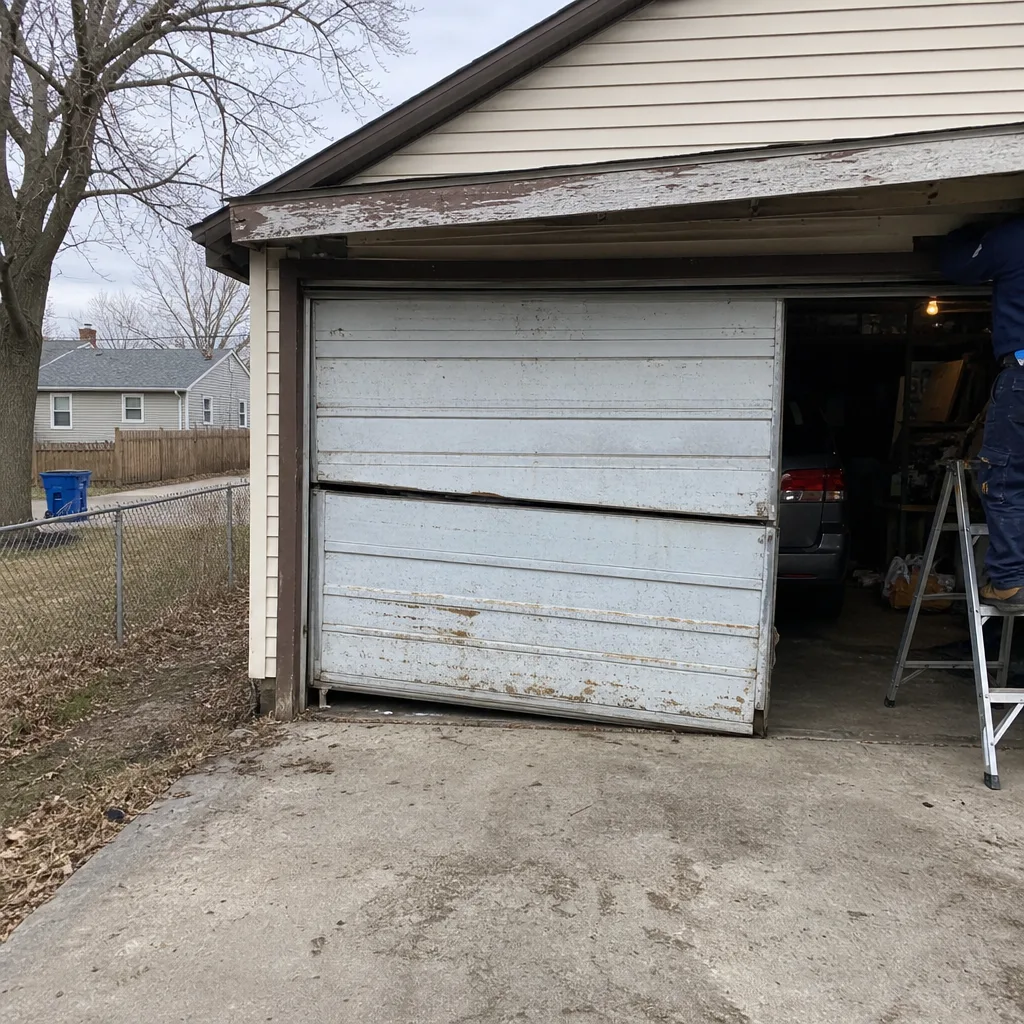 Before
 After
 Before
 After
 Before
 After
When to Call a Professional
Some garage door issues are genuinely homeowner jobs, and some are not. Clearing debris from a track, sweeping out the opening and wiping off a dirty sensor are safe to do yourself. Anything involving springs, cables, or an opener that behaves unpredictably is not, because those parts are under serious tension and a mistake can cause injury. If your door won’t close reliably, if the reverse function is inconsistent, if you hear a sharp snap from the torsion system, or if the door itself has come off its track, it’s time to call. Also call if you’re planning any project that touches the opening, the header or the opener’s wiring, so the permit and inspection questions get answered before the work starts rather than after. Ridgeway Garage Door Repair offers free estimates in Elgin – call (844) 320-7553. We answer 24/7. Fast dispatch from 7am to 7pm, Sunday through Friday.
Frequently Asked Questions
It depends on the scope. Replacing a door in the same size opening is often not considered a structural change and may not require a permit, while altering the opening or its header, or adding new electrical work for an opener, usually does. The City of Elgin building department can confirm your specific project in a short call, and we’re happy to walk through the options with you before the door is ordered. Call (844) 320-7553. We answer 24/7. Fast dispatch from 7am to 7pm, Sunday through Friday.
An inspection checks safety hardware and the opener, not the whole garage. It focuses on spring and cable condition, hardware security, the auto-reverse function, the safety sensors, and whether the door opens and closes smoothly. Finish and brand don’t enter into it. If the inspection is coming up and you’d like the door looked over first, our team can check the reverse and sensor function before the visit so you know where things stand.
A missing permit can complicate a home sale inspection years later and usually costs more to sort out than the original permit. It also means the safety work was never checked. The fix is to call the city, explain what was done, and find out whether the work can be documented and inspected after the fact. It’s much easier to start the process before the work than afterward, and calling (844) 320-7553 is a good first step – we can help you understand what the city will need.
Usually yes. HOA architectural rules can be stricter than city code and often specify colors, styles and window patterns for front-facing garage doors. Check the HOA first and get approval in writing, then confirm the permit question with the city, then order. If your community has style requirements, we can look at brands like Clopay or Amarr for a door that fits the association’s rules and matches the rest of the house.
The separation door between an attached garage and living space is generally required to be fire-rated in Illinois, and it should have self-closing hardware and a threshold that seals properly. Look for a label or stamp on the hinge edge or top of the door. If you can’t find one, have it confirmed before assuming the door is compliant. This is a safety element and worth getting right.
Usually not by much, but installation isn’t a same-day job in any case. Permits take some time with the city, and installation and replacement are scheduled projects, not emergency service. The delay is small compared with the cost of a missing permit at resale. If you need the job done promptly, start the permit and the HOA conversation early, then schedule the installation. Call (844) 320-7553 for a free estimate and we’ll lay out the sequence for your project.
The Bottom Line
Garage door permits in Elgin are easy to overlook because no one explains that they apply to garage work. The practical rules are these: repair rarely needs a permit, structural changes to the opening and new electrical work usually do, and installation in the same opening may or may not, which is why the city is the one to ask. An inspection is narrower than most homeowners fear and focuses on safety hardware and reverse function. HOA rules stack on top of city code, fire-rated separation doors are a safety requirement, and Elgin’s freeze-thaw winters wear on hardware until it needs servicing. Get the permit question answered before the door is ordered, and the rest falls into place. For a free estimate on repair, opener repair or a new installation, call (844) 320-7553. We answer 24/7. Fast dispatch from 7am to 7pm, Sunday through Friday. Our technicians have up to 11 years of experience, and we work on what you already have.
Written by the team at Ridgeway Garage Door Repair.